
Beautiful Plants For Your Interior
Beautiful Plants For Your Interior
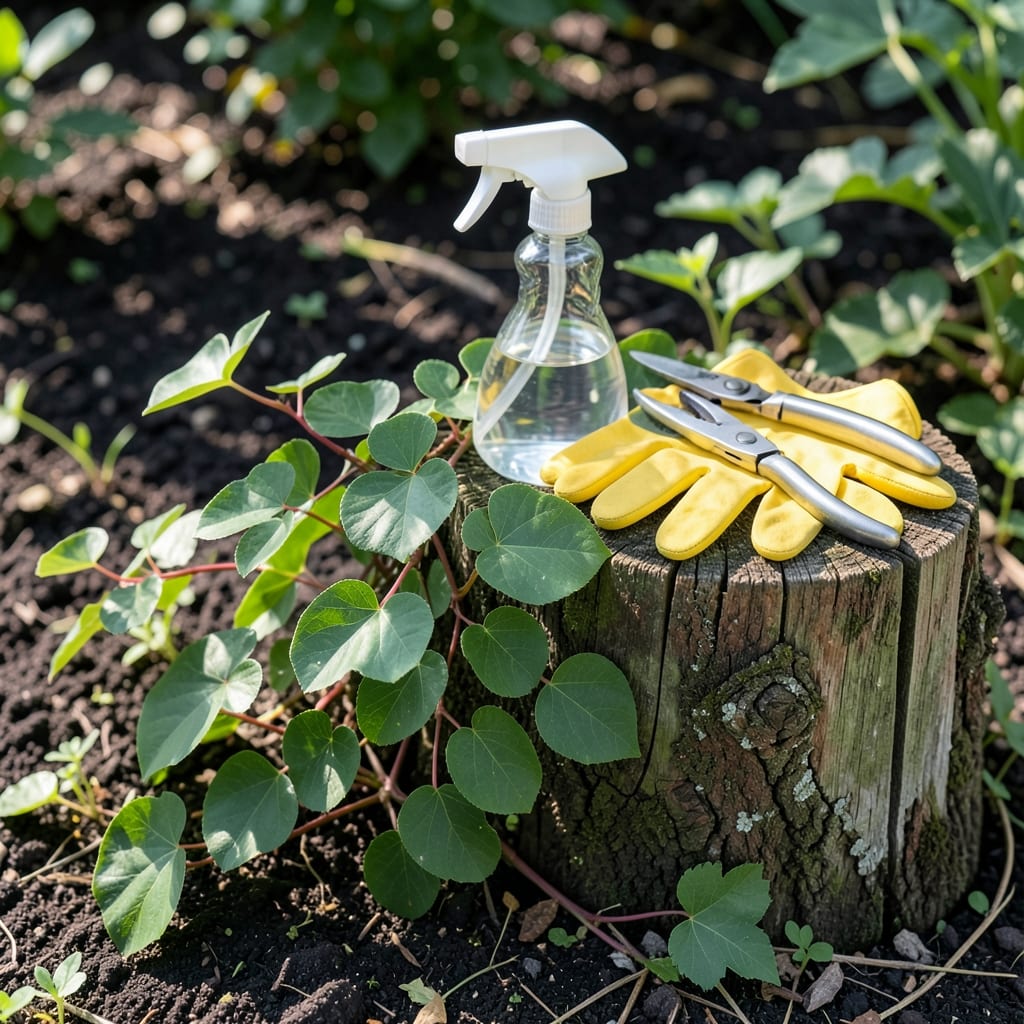
That itchy rash from poison ivy doesn’t have to ruin your week. Vinegar’s acidic nature can help neutralize the oils and calm the irritation fast.
I’ve used this method after accidental brushes in the garden, and it works better than most store-bought creams. Just apply carefully to avoid further irritation.
The relief starts within minutes, and the redness fades faster than if you’d left it untreated. It’s a simple, natural solution you likely already have in your pantry.
Works for mild to moderate reactions, but seek medical advice for severe cases. Here’s how to use it safely.
The maddening itch of poison ivy is your immune system’s overreaction to a plant oil called urushiol. This oily resin is found in every part of the poison ivy, oak, and sumac plants—leaves, stems, even roots. When urushiol touches your skin, it binds to proteins, triggering a cascade that your body mistakes for a serious threat. 🌿
Urushiol is a hapten, a small molecule that can’t spark an immune response on its own. But once it penetrates the skin and attaches to larger proteins, your immune system recognizes the combo as foreign. This sets off Type IV hypersensitivity, a delayed allergic reaction. White blood cells release inflammatory chemicals like histamine and cytokines, causing redness, swelling, and that relentless itch.
Urushiol is lipid-soluble, meaning it dissolves into the oils of your skin within minutes. This allows it to pass through the stratum corneum—your skin’s protective outer layer—quickly. Once inside, it damages cell membranes, further breaking down your skin barrier. This disruption amplifies irritation and makes the area more susceptible to infection if scratched.
Contrary to popular belief, the fluid from poison ivy blisters does not contain urushiol and cannot spread the rash. However, urushiol can linger on surfaces—clothing, tools, pet fur—for years. Touching contaminated objects and then your skin can cause new outbreaks. Even inhaling smoke from burning poison ivy can lead to severe lung irritation, as urushiol particles become airborne.
When poison ivy strikes, vinegar can be a simple yet effective ally in soothing the discomfort. Here’s how to use it—and other steps—to tackle the issue head-on.
Apple cider vinegar (ACV) is a go-to for its anti-inflammatory properties. Dilute it with equal parts water to avoid skin irritation, then apply to the rash using a cotton ball. The acidity helps dry out the oozing blisters and calms the itch. For a cooling effect, chill the mixture in the fridge before use.
For larger affected areas, soak a clean cloth in diluted white vinegar and place it on the rash for 10–15 minutes. This method reduces swelling and eases itching. Repeat 2–3 times daily until symptoms improve.
Pro tip 💡: If the rash spreads or worsens, see a doctor. Severe cases may need prescription treatments like steroids. Vinegar helps, but it’s not a substitute for medical care when needed.
Relief typically begins within 10-15 minutes of application. The vinegar helps neutralize urushiol oils and soothes the itch almost immediately. For best results, apply at the first sign of discomfort.
Apple cider vinegar is most popular due to its anti-inflammatory properties. White vinegar also works well for compresses. Always dilute with water to prevent skin irritation.
Avoid applying vinegar to broken skin as it may sting. Instead, use a diluted compress around the blisters to reduce swelling and itching.
Reapply every 2-3 hours or whenever the itching returns. For severe cases, alternate with cold compresses for additional relief.