
Beautiful Plants For Your Interior
Beautiful Plants For Your Interior
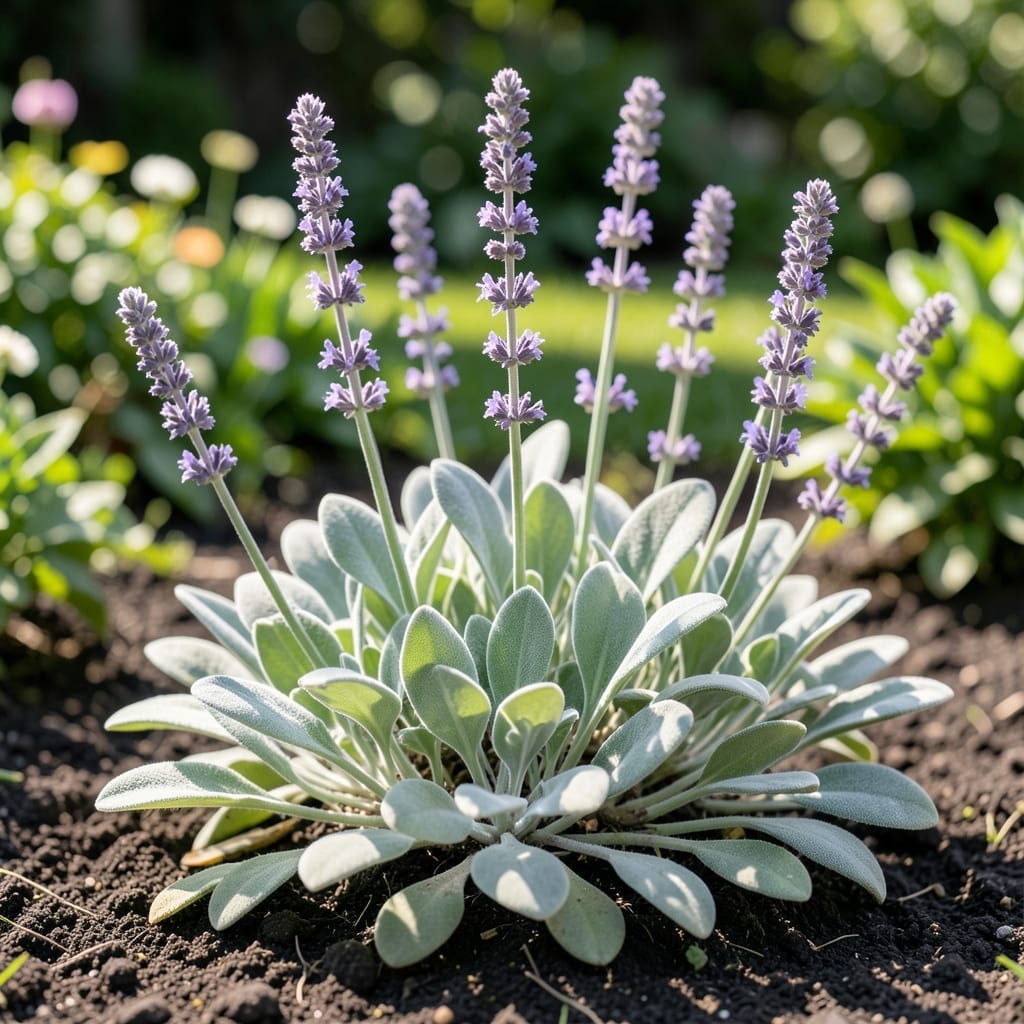
That soft, velvety touch in your garden isn’t just pretty—it’s practical. I first noticed it on my squash plants, those fuzzy leaves catching dew like tiny sponges at dawn.
Plants like lamb’s ear, okra, and even some tomatoes develop this trait to protect themselves. The fuzz traps moisture, deters pests, and shields from harsh sun. It’s nature’s way of giving these varieties a foolproof edge in tough conditions.
Growing them takes minimal effort. Most thrive in full sun with well-draining soil, and the texture makes them easy to spot among smoother-leaved plants. You’ll find they’re surprisingly low-maintenance once established.
Perfect for gardeners who love unique textures or want plants that practically care for themselves. Let’s get into the details.
Fuzzy or hairy leaves on vegetable plants aren’t just a quirky visual—they serve specific biological purposes. Here’s why some plants develop this trait:
Many vegetable plants, like Lamb’s Ear or Okra, evolved fuzzy leaves to deter pests. The fine hairs, called trichomes, create a physical barrier that discourges insects from laying eggs or feeding. Some trichomes even secrete sticky or toxic compounds to fend off herbivores.
In dry climates, fuzzy leaves help reduce water loss. The hairs trap a layer of still air near the leaf surface, lowering transpiration rates. This adaptation is common in plants like Squash or Tomatoes, which thrive in warm, arid conditions.
Fuzzy leaves can also act as a sunscreen. The hairs reflect excess sunlight, preventing overheating and sunburn. This is especially useful for tender plants exposed to intense UV rays, such as Eggplant or Peppers.
Trichomes provide insulation, keeping leaves cooler in hot weather and warmer in cold snaps. This helps plants like Kale or Collard Greens maintain optimal photosynthesis rates regardless of temperature fluctuations.
If your vegetable plant’s fuzzy leaves are causing trouble, these targeted fixes will help restore health and vigor. Below are practical solutions for common problems, paired with prevention tips to keep your garden thriving.
Fuzzy leaves often attract pests like aphids or spider mites. Mix 1 tsp of neem oil with 1 quart of water and spray evenly on leaves, focusing on undersides. Repeat every 5–7 days until pests vanish. Prevention tip: 💡 Encourage beneficial insects like ladybugs by planting companion flowers (e.g., marigolds).
Fuzzy-leaf plants (like lamb’s ear or mullein) hate soggy roots. If leaves yellow or wilt, reduce watering and check soil moisture with your finger—water only when the top inch is dry. Prevention tip: ✨ Use raised beds or containers with drainage holes to avoid waterlogging.
Too much sun can scorch fuzzy leaves, causing brown patches. Move potted plants to partial shade or use shade cloth (30–50% opacity) during peak afternoon hours. Prevention tip: 🎯 Acclimate plants gradually to full sun over 1–2 weeks.
White powdery spots? Trim crowded foliage to boost airflow and apply a baking soda spray (1 tsp baking soda + 1 quart water + a drop of dish soap). Prevention tip: 🌡️ Space plants 12–18 inches apart and water at the base to keep leaves dry.
With these fixes, your fuzzy-leaf vegetables will bounce back—just stay consistent and observe changes closely!
Okra, lamb’s ear, and squash are classic examples. Eggplant and some tomato varieties also develop fuzzy leaves. These plants use the texture for pest protection and moisture retention.
Generally no, but avoid overhead watering to prevent mildew. The fuzz traps moisture, so water at the base and ensure good airflow. They thrive in standard garden conditions.
The density of trichomes (leaf hairs) varies by species and age. Younger leaves often feel softer, while mature ones may develop thicker fuzz for better protection.
Yes! Many fuzzy-leaf plants like lamb’s ear root easily from stem cuttings. Dip in rooting hormone and place in moist soil for best results.