
Beautiful Plants For Your Interior
Beautiful Plants For Your Interior
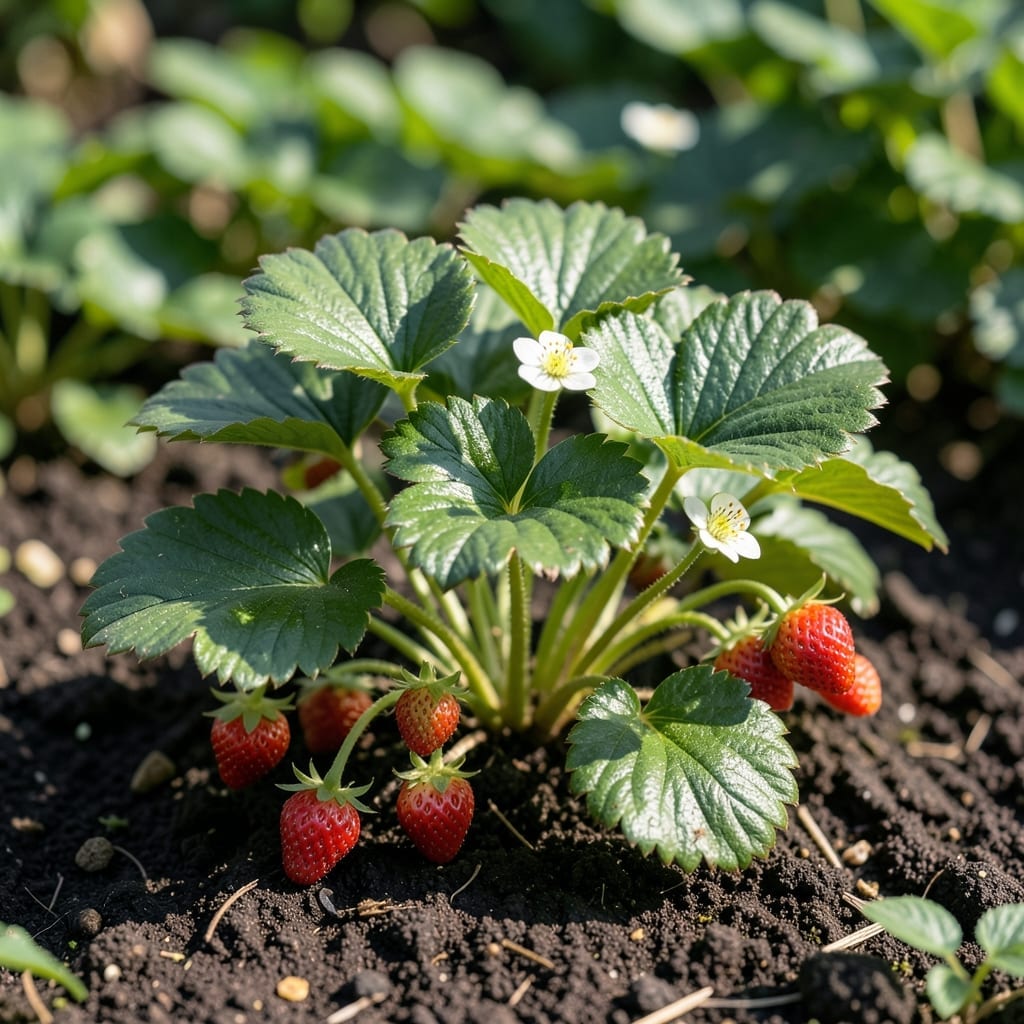
If you’ve ever wondered whether your 🍓 Strawberry plants are getting enough sunlight, you’re not alone—this single factor can make or break your harvest.
The right sun exposure boosts sugar content, fruit size, and overall yield. But too much or too little can lead to disappointing results.
I’ll show you exactly how to strike that perfect balance for thriving plants. Whether you’re in zone 5-9 or adjusting for extreme heat, these insights will help.
Discover the simple yet powerful way to ensure your Strawberry plants get the light they need for the sweetest, most abundant harvests.

I’ve found that strawberry plants thrive in full sun conditions, but the exact amount can vary. Most varieties need 6-10 hours of direct sunlight daily to produce the sweetest, largest berries. This is especially true for June-bearing types. ☀️
In my experience, everbearing and day-neutral strawberries are slightly more adaptable. They can tolerate partial shade, but you’ll still want to aim for at least 6 hours of sun. Without enough light, the sugar content drops, and the fruit stays small. ☀️
| Variety | Sun Requirement | Notes |
|---|---|---|
| June-bearing | 8-10 hours | Needs most sun for large fruit |
| Everbearing | 6-8 hours | Tolerates partial shade |
| Day-neutral | 6-8 hours | Consistent multiple harvests |
If you’re in a hotter climate, I recommend providing afternoon shade to prevent fruit scorch. The intense sun can dry out the soil quickly, so mulching heavily helps retain moisture. 🌿
In cooler regions, maximizing sun exposure is key. I’ve seen northern gardeners use reflective mulches to bounce extra light onto their plants. This trick can boost yields by up to 20% in less-than-ideal conditions. 🌱
For container-grown strawberries, place pots where they’ll get morning sun and some afternoon shade. Balconies or patios with eastern exposure often work perfectly. Just ensure the containers have drainage holes. 🪴
I always remind gardeners that sunlight affects flavor. More sun generally means sweeter berries, but extreme heat can stress plants. If temperatures consistently exceed 85°F, consider shade cloth during peak hours. ☀️
Another tip: rotate your plants if you notice uneven ripening. Some berries might get shaded by others, so thinning out excess foliage can improve air circulation and light penetration. ✂️
Don’t forget that young plants need time to establish. In their first year, focus on strong root growth rather than maximum fruit production. This sets them up for bigger harvests in subsequent years. 🌱
Finally, observe your plants daily. Wilting leaves in midday heat might signal too much sun, while pale, leggy growth suggests they need more. Adjusting their position can make all the difference. 🌿
If your strawberry plants look leggy or weak, they might be sun-starved. Pale leaves and small fruits are classic signs of insufficient light. These plants thrive in full sun, so shade can stunt their growth.
Poor flowering is another red flag. Without enough sunlight, plants focus on foliage, not fruit. If your berries taste sour or bland, lack of sun could be the culprit. Sunlight boosts sugar production, making berries sweeter.
⚠️ Warning: Sun Deprivation Risks
Leggy growth, pale leaves, and small or sour berries signal your strawberry plants need more sunlight. Relocate to a sunnier spot or use reflective mulches to boost light exposure.
To fix this, relocate plants to a sunnier spot. Aim for 6-10 hours of direct sunlight daily. If moving isn’t an option, try reflective mulches like straw or aluminum foil to bounce light onto leaves.
In hot climates, afternoon shade can help, but morning sun is non-negotiable. June-bearing varieties are especially sun-loving, while everbearing types tolerate partial shade better. Still, all strawberries need ample light for optimal yields.
Watch for slow growth or yellowing leaves, which also indicate light deficiency. If your plants are in containers, move them to a sunny balcony or patio. Even a few extra hours of sun can make a big difference in fruit quality.
Finally, prune nearby plants that might be casting shade. Strawberries need space to soak up rays. With the right light, you’ll see more flowers, bigger berries, and a sweeter harvest in no time. ☀️