
Beautiful Plants For Your Interior
Beautiful Plants For Your Interior
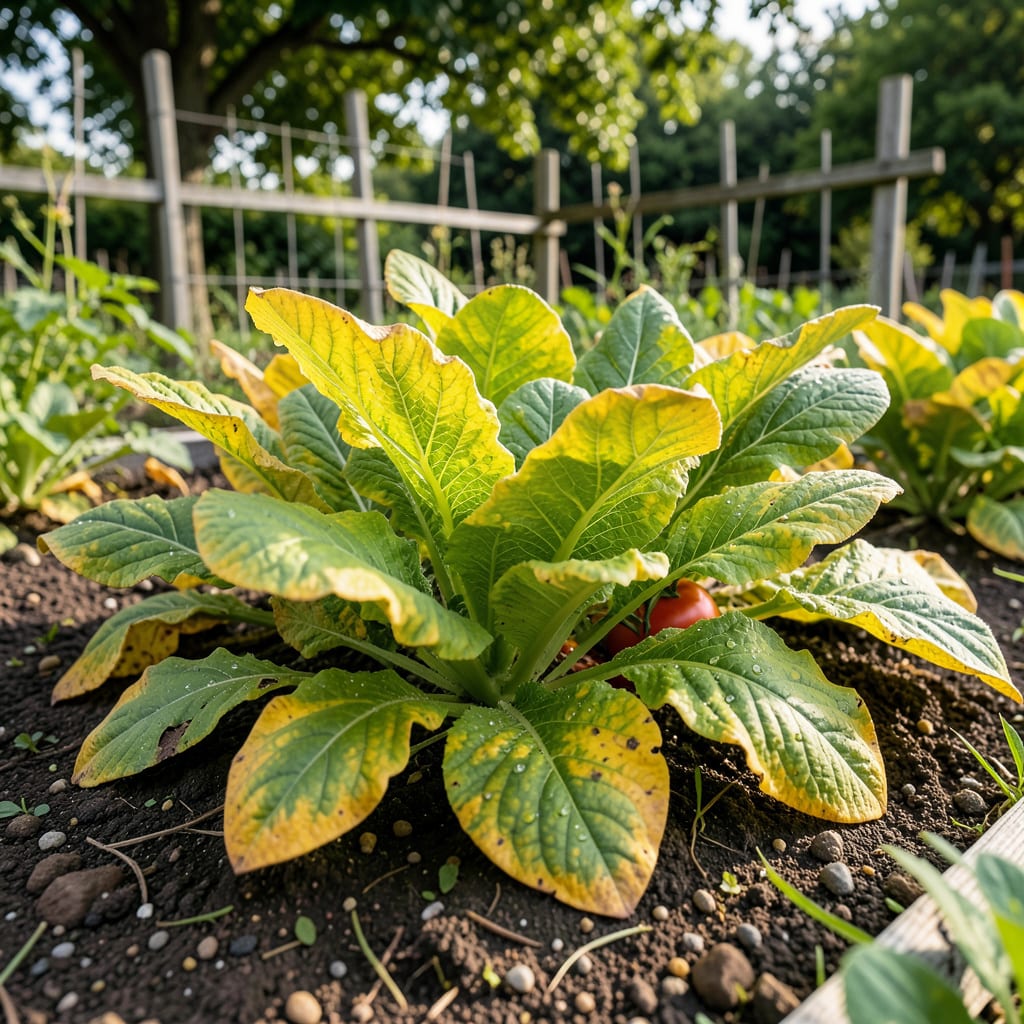
Yellow leaves on your vegetable plants aren’t just ugly—they’re a red flag. 🌱 I’ve lost entire crops to this before realizing it’s usually a simple fix, not a death sentence.
Most times, it’s either too much water, not enough nutrients, or soil that’s too acidic or alkaline. The good news? A quick soil test and some adjustments can turn things around in a week or two.
You’ll start seeing fresh, vibrant green growth once the roots get what they need. No fancy equipment required—just some observation and the right tweaks.
Works for tomatoes, peppers, lettuce, and just about every other veggie in your garden.
Yellow leaves on vegetable plants often signal an underlying issue that disrupts chlorophyll production or plant health. Here are the most common causes, explained scientifically:
Nitrogen, magnesium, or iron shortages are primary culprits. Nitrogen deficiency causes uniform yellowing (starting in older leaves), as chlorophyll breaks down. Magnesium deficiency triggers interveinal chlorosis—yellowing between leaf veins—since it’s essential for chlorophyll synthesis. Iron deficiency also causes interveinal yellowing but affects new growth first, as iron is immobile in the plant.
Extreme soil pH locks out nutrients. In alkaline soil (pH > 7.5), iron, manganese, and zinc become insoluble, mimicking deficiencies. In acidic soil (pH < 5.5), phosphorus and calcium uptake falters. Test soil pH and amend with lime (to raise pH) or sulfur (to lower pH) for optimal ranges (6.0–7.0 for most vegetables).
Soggy roots suffocate, reducing oxygen uptake and nutrient transport. This leads to yellowing leaves (often wilting) as roots rot. Ensure containers have drainage holes and garden beds are well-aerated. Water only when the top inch of soil is dry.
Heat, cold, or excessive sunlight can damage plant tissues. High temperatures accelerate chlorophyll degradation, while sudden cold shocks disrupt nutrient flow. Provide shade cloth for heat-sensitive crops and row covers for frost protection.
Tackling yellow leaves on your vegetable plants starts with identifying the root cause and applying the right fix. Here’s how to address the most common issues:
Nitrogen: If lower leaves turn yellow, apply a balanced fertilizer (10-10-10) or organic options like compost or manure. Prevention tip: Test soil annually and amend before planting.
Iron or Magnesium: Yellowing between leaf veins (interveinal chlorosis) often signals a lack of these. Use chelated iron supplements or Epsom salt spray (1 tbsp per gallon of water). 💡 Pro tip: Avoid overwatering, which can block nutrient uptake.
Overwatering: Let soil dry slightly between waterings. Ensure pots have drainage holes. Underwatering: Water deeply 1-2 times a week, depending on climate. Prevention: Use mulch to retain moisture and prevent extremes.
Test soil pH (ideal range: 6.0–7.0 for most veggies). Too acidic? Add lime. Too alkaline? Mix in sulfur or peat moss. ✨ Quick fix: For container plants, repot with fresh, pH-balanced soil.
Check undersides of leaves for pests like aphids or spider mites. Spray with neem oil or insecticidal soap. For fungal issues (e.g., powdery mildew), improve airflow and apply copper fungicide. Prevention: Rotate crops and space plants properly.
Remember: Remove severely yellowed leaves to redirect energy to healthy growth. Consistency in care is key to keeping your garden thriving! 🌿
Severely yellowed leaves typically won’t recover. Remove them to redirect energy to new growth. Milder cases may improve with proper care.
Most need water when the top 1 inch of soil is dry. This usually means 1-2 times per week, but adjust for weather and soil type.
Use liquid fertilizers or foliar sprays for quick absorption. For nitrogen, try fish emulsion. For iron/magnesium, Epsom salt spray works well.
Remove only severely damaged leaves. Slightly yellow leaves still photosynthesize. Always use clean tools to prevent disease spread.
