
Beautiful Plants For Your Interior
Beautiful Plants For Your Interior
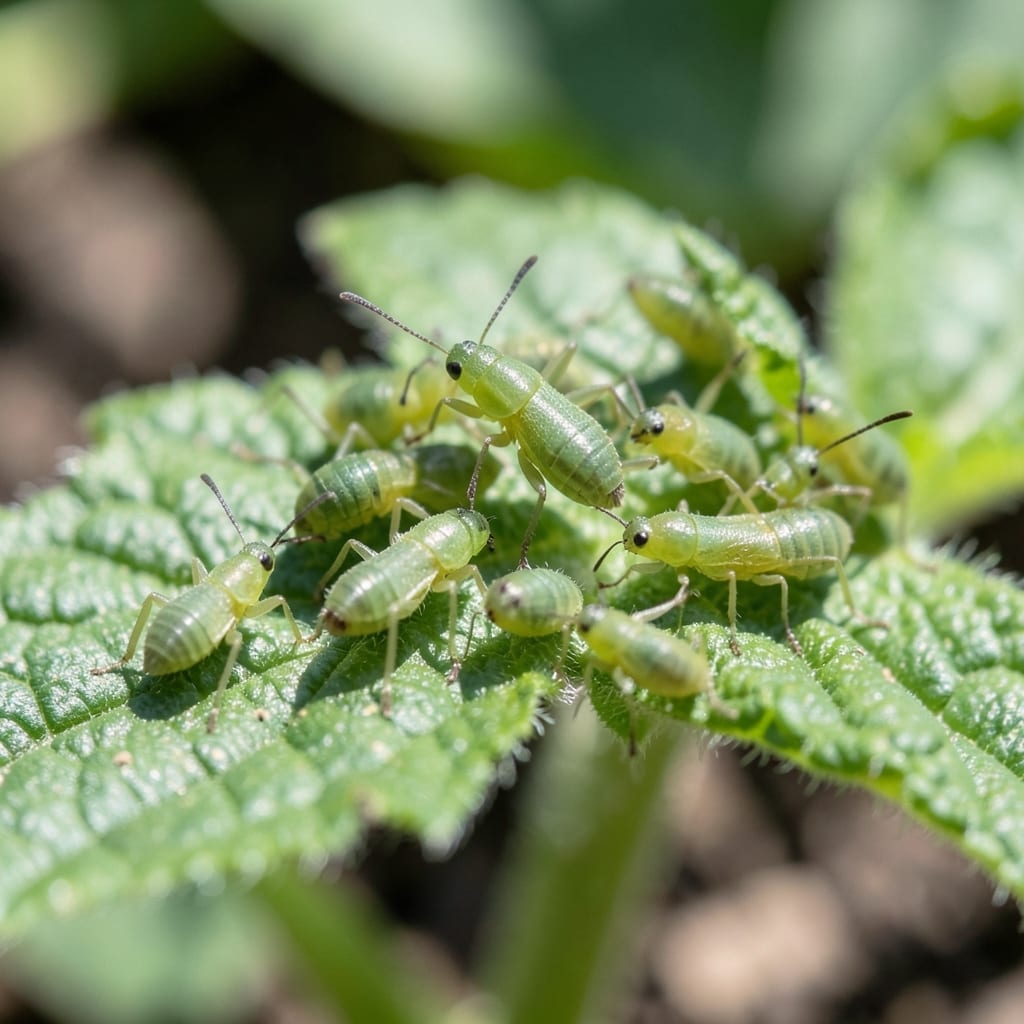
Tiny green invaders can destroy a vegetable garden overnight. I first noticed aphids when my kale leaves started curling, then saw the sticky residue they leave behind. These pests multiply fast, sucking the life out of plants before you realize what’s happening.
Neem oil became my go-to solution after losing an entire row of peppers. It disrupts their life cycle without harming beneficial insects when used correctly. The key is catching them early—before they spread to every plant in your garden.
You’ll see results within 24-48 hours of application, with aphid populations dropping dramatically. The plants recover quickly too, once the pressure’s off. No harsh chemicals, just consistent treatment.
Works on tomatoes, cucumbers, and leafy greens alike. Here’s how to mix and apply it for maximum impact.
Aphids thrive on vegetable plants due to a mix of environmental, biological, and cultural factors. Understanding these causes helps you prevent and manage outbreaks effectively.
Excess nitrogen in soil promotes soft, succulent growth—aphids’ favorite food. Plants fertilized heavily with nitrogen-rich formulations (e.g., ammonia-based products) produce tender new shoots and leaves that attract aphids. Action: Balance fertilization with phosphorus and potassium to toughen plant tissues.
Aphids reproduce rapidly in temperatures between 60–80°F (15–27°C) with low humidity. Dry spells weaken plants, reducing their natural defenses (like waxy cuticles) and making them more susceptible. Action: Use mulch to retain soil moisture and mist plants during dry periods to deter colonization.
Gardens lacking beneficial insects (e.g., ladybugs, lacewings, parasitic wasps) allow aphid populations to explode unchecked. Pesticide overuse often kills these predators first, creating a vacuum for aphids. Action: Plant pollinator-friendly flowers (e.g., dill, yarrow) and avoid broad-spectrum insecticides.
Large blocks of a single vegetable variety (e.g., rows of kale or zucchini) provide aphids with an uninterrupted food source. Monocultures also limit biodiversity, reducing predator habitat. Action: Interplant with repellent herbs (e.g., garlic, chives) or use companion planting to disrupt aphid movement.
Plants under stress from poor soil health, drought, or disease emit chemical signals that attract aphids. For example, waterlogged roots or nutrient deficiencies can trigger sap changes that aphids detect. Action: Improve soil structure with compost and ensure consistent watering to keep plants resilient.
Dealing with aphids on your vegetable plants? Here’s how to tackle the problem head-on with simple, effective solutions tailored to each cause.
Overcrowding creates the perfect hiding spot for aphids. Thin out your plants to improve airflow and reduce humidity, which aphids love. Space seedlings according to their mature size—check seed packets for guidance. Prevention tip 💡: Rotate crops yearly to avoid recurring infestations in the same spot.
Aphids thrive on soft, new growth spurred by nitrogen-heavy fertilizers. Switch to a balanced, organic fertilizer (like 5-5-5) to promote stronger, less appealing foliage. Prevention tip 🎯: Use compost or slow-release organic options to feed plants steadily without overstimulating growth.
No ladybugs or lacewings? Add pollinator-friendly plants like marigolds, dill, or alyssum to attract these aphid-eating allies. Avoid broad-spectrum pesticides, which kill beneficial insects too. Prevention tip ✨: Set up a small water source (e.g., a shallow dish with pebbles) to keep helpful bugs around.
Stressed plants are aphid magnets. Strengthen them with proper watering (early morning is best) and mulch to retain moisture. Remove heavily infested leaves immediately to stop the spread. Prevention tip 🌡️: Use row covers early in the season to protect young plants from initial aphid attacks.
Mix 1 tbsp neem oil + 1 tsp mild soap + 1 quart water and spray directly on aphids, focusing on leaf undersides. Reapply every 4–7 days until they’re gone. Prevention tip ⏰: Spray in the early morning or late evening to avoid harming bees active during the day.
Reapply every 4–7 days until aphids are gone. Consistent treatment breaks their life cycle and prevents reinfestation.
Yes! Plant companion herbs like garlic or chives and attract predators with dill or alyssum. Healthy soil and proper spacing also deter them naturally.
Lack of predators or over-fertilizing with nitrogen creates ideal conditions. Balance soil nutrients and encourage beneficial insects for long-term control.
Wait 24–48 hours after neem oil application before harvesting. Always wash produce thoroughly with water before eating.