
Beautiful Plants For Your Interior
Beautiful Plants For Your Interior
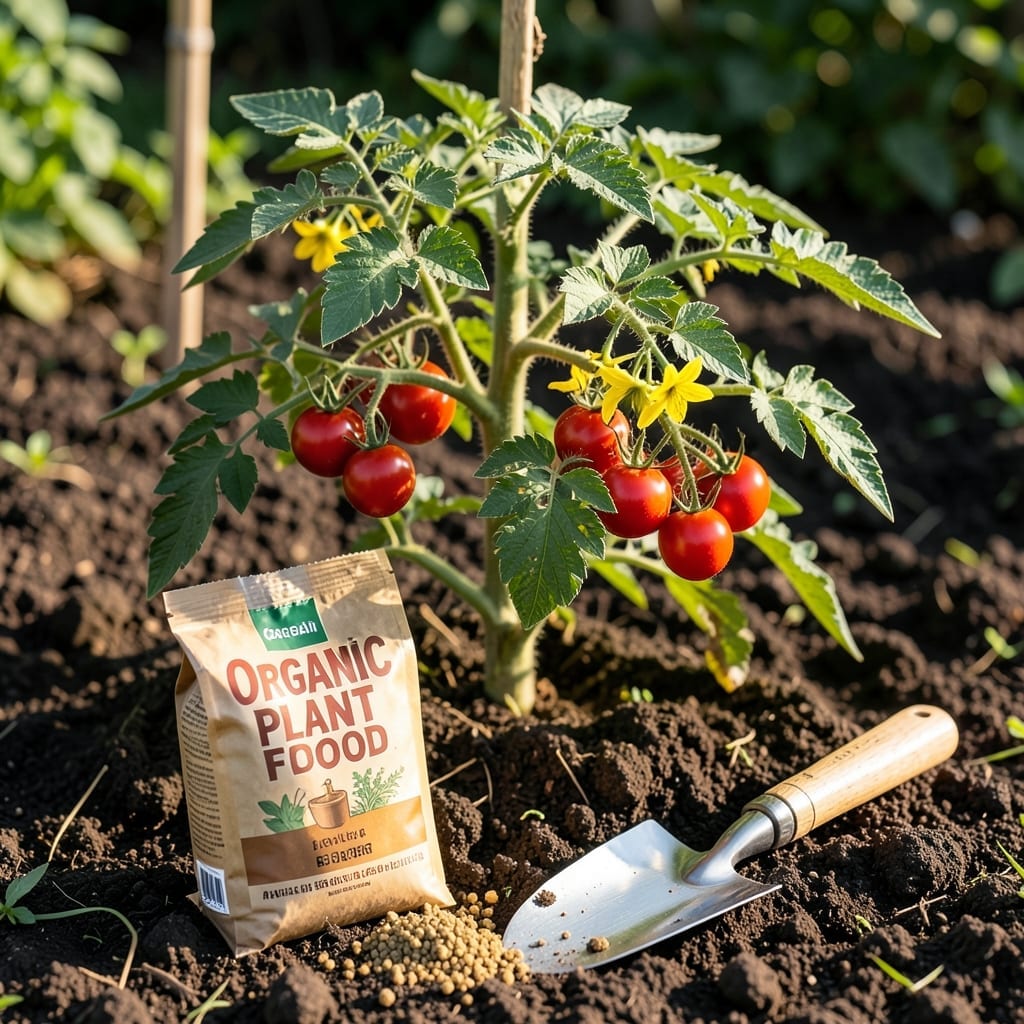
Tomato plants are heavy feeders that thrive on consistent nutrition, but over-fertilizing can harm your harvest. I’ve learned the hard way that timing is everything when it comes to feeding 🍅.
Mastering the right feeding schedule is the secret to juicier, more abundant tomatoes all season long. Whether you’re a beginner or seasoned gardener, getting this right will transform your crop.
Discover the simple yet effective approach that keeps your plants well-nourished without the guesswork. Let’s dig in.
I’ve found that tomato plants have different nutritional needs as they grow. Getting the timing right ensures strong roots and bountiful fruit without overdoing it.
The key is matching your feeding schedule to each growth stage. Seedlings, flowering, and fruiting all demand unique attention.
| Growth Stage | Frequency | N-P-K Ratio | Fertilizer Type |
| Seedling | Every 2 weeks | 10-10-10 | Balanced liquid |
| Transplanting | At planting | 5-10-10 | High phosphorus |
| Flowering | Every 7-10 days | 3-10-10 | Tomato-specific |
| Fruiting | Every 10-14 days | 2-8-8 | Low nitrogen |
For seedlings, I start with a balanced fertilizer every 2 weeks. This builds a strong foundation before transplanting.
At transplanting, I switch to a high-phosphorus option. This encourages root development and prepares the plant for growth.
During flowering, I increase frequency to every 7-10 days. A tomato-specific fertilizer with higher phosphorus supports bloom formation.
Once fruits appear, I reduce to every 10-14 days. A low-nitrogen formula prevents excessive leaf growth at the expense of fruit.
I always water deeply after feeding to help nutrients reach the roots. This simple step makes a huge difference in absorption.
For organic gardeners, compost tea or fish emulsion works well. Apply these every 2 weeks throughout the growing season.
Remember, less is more with fertilizers. Overfeeding can lead to leaf burn or poor fruit quality. Stick to the schedule and adjust based on plant response 🌱
I always watch my tomato plants closely for signs they need adjustments in feeding. Yellow leaves or stunted growth often mean they’re hungry for nutrients.
On the other hand, leaf curl or brown edges can signal over-fertilizing. It’s all about finding that perfect balance.
Slow growth, pale leaves, weak stems
Leaf burn, excessive foliage, poor fruiting
When I see slow growth and pale leaves, I know my plants need a nutrient boost. A quick application of balanced fertilizer usually does the trick.
Brown leaf tips or crusty soil surface often means I’ve overdone it. I immediately flush the soil with water to remove excess salts.
For yellow lower leaves, I check for nitrogen deficiency. A light dose of fish emulsion can quickly green them up.
If I notice leaf curl without pests, it’s often a sign of too much nitrogen. I switch to a low-nitrogen formula and reduce frequency.
Remember, observation is key. Your plants will tell you what they need if you pay attention to these subtle signs 🌱