
Beautiful Plants For Your Interior
Beautiful Plants For Your Interior
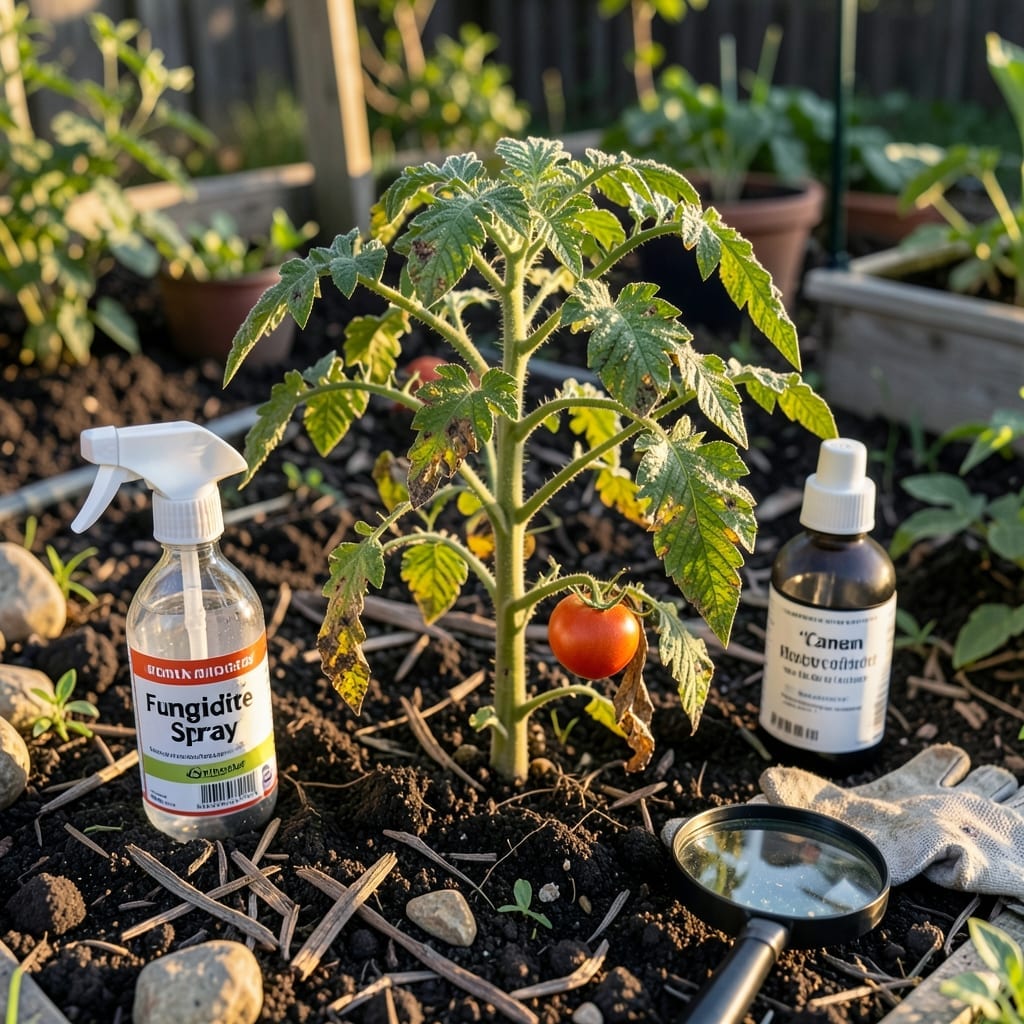
White powder on zucchini leaves last summer ruined my harvest. 🌱 Vegetable garden fungus sneaks in when conditions turn damp and warm, leaving spots, mildew, or wilting in its wake.
I learned the hard way that prevention beats cure. Good airflow, crop rotation, and resistant varieties stop most problems before they start. For active infections, copper sprays and baking soda solutions work surprisingly well.
You’ll spot the difference within 3-5 days of treatment—leaves recover, new growth stays clean, and your plants bounce back stronger. The key is catching it early.
Works for tomatoes, cucumbers, and leafy greens alike. Here’s how to keep your garden fungus-free all season.
Fungal infections in vegetable gardens don’t appear out of nowhere—they thrive under specific conditions. Understanding the root causes helps you prevent outbreaks before they start. Here’s why it happens:
Fungi love damp environments. Overwatering, heavy rainfall, or poorly drained soil creates the perfect breeding ground. When leaves stay wet for extended periods (especially overnight), spores germinate and spread. Actionable fix: Water at the base of plants in the morning, and ensure your garden has proper drainage or raised beds.
Most vegetable garden fungi prosper in warm (70–85°F), humid conditions. Crowded plantings reduce airflow, trapping moisture and heat—ideal for spores to take hold. Actionable fix: Space plants according to guidelines, and prune excess foliage to improve ventilation.
Fungal spores can overwinter in soil or on decaying plant matter. If you don’t remove last season’s debris or rotate crops, pathogens linger and reinfect new plants. Actionable fix: Practice crop rotation and clear garden debris at the end of each season. Solarizing soil can also kill dormant spores.
Dirty gardening tools, infected seeds, or even transplanted seedlings can introduce fungi to your garden. Actionable fix: Sterilize tools with rubbing alcohol, and source seeds from reputable suppliers. Inspect seedlings for spots or discoloration before planting.
Dense canopies or overcrowded beds restrict airflow, allowing moisture to settle on leaves. This is a common trigger for powdery mildew and downy mildew. Actionable fix: Thin seedlings early, stake tall plants, and avoid overhead watering.
Fungus in your vegetable garden can be frustrating, but these practical fixes will help you restore your plants’ health. Address the issue early for the best results.
Trim overcrowded foliage to boost circulation, and water at the base of plants to keep leaves dry. Apply a spray of 1 tablespoon baking soda + 1 quart water + a few drops of dish soap weekly until the issue clears. Prevention tip: Space plants properly from the start and choose resistant varieties.
Prune affected leaves immediately and discard them (do not compost). Treat remaining plants with neem oil or a copper-based fungicide. Prevention tip: Avoid overhead watering and plant in well-draining soil. 💡 Pro tip: Water in the morning so foliage dries quickly.
Remove heavily infected leaves and apply sulfur-based fungicide or a 1:10 milk-to-water solution as a natural alternative. Prevention tip: Rotate crops yearly and keep the garden free of debris where spores can hide.
Stop watering immediately and let the soil dry out. If the plant is salvageable, repot or transplant it into fresh, well-draining soil. Prevention tip: Use raised beds or containers if your soil retains too much moisture. ✨ Bonus: Add compost to improve soil structure.
Consistency is key—monitor your garden regularly and act at the first sign of trouble!
Watch for white powdery spots, yellowing leaves, or dark patches on stems. Early detection means easier treatment and less damage to your plants.
Yes! A mix of 1 tablespoon baking soda and 1 quart water with dish soap works well for powdery mildew. Neem oil is another effective natural option.
Remove infected leaves immediately and avoid overhead watering. Improve airflow by spacing plants properly and pruning excess foliage.
No. Composting can spread fungal spores to other plants. Always discard infected material in the trash, not your compost pile.