
Beautiful Plants For Your Interior
Beautiful Plants For Your Interior
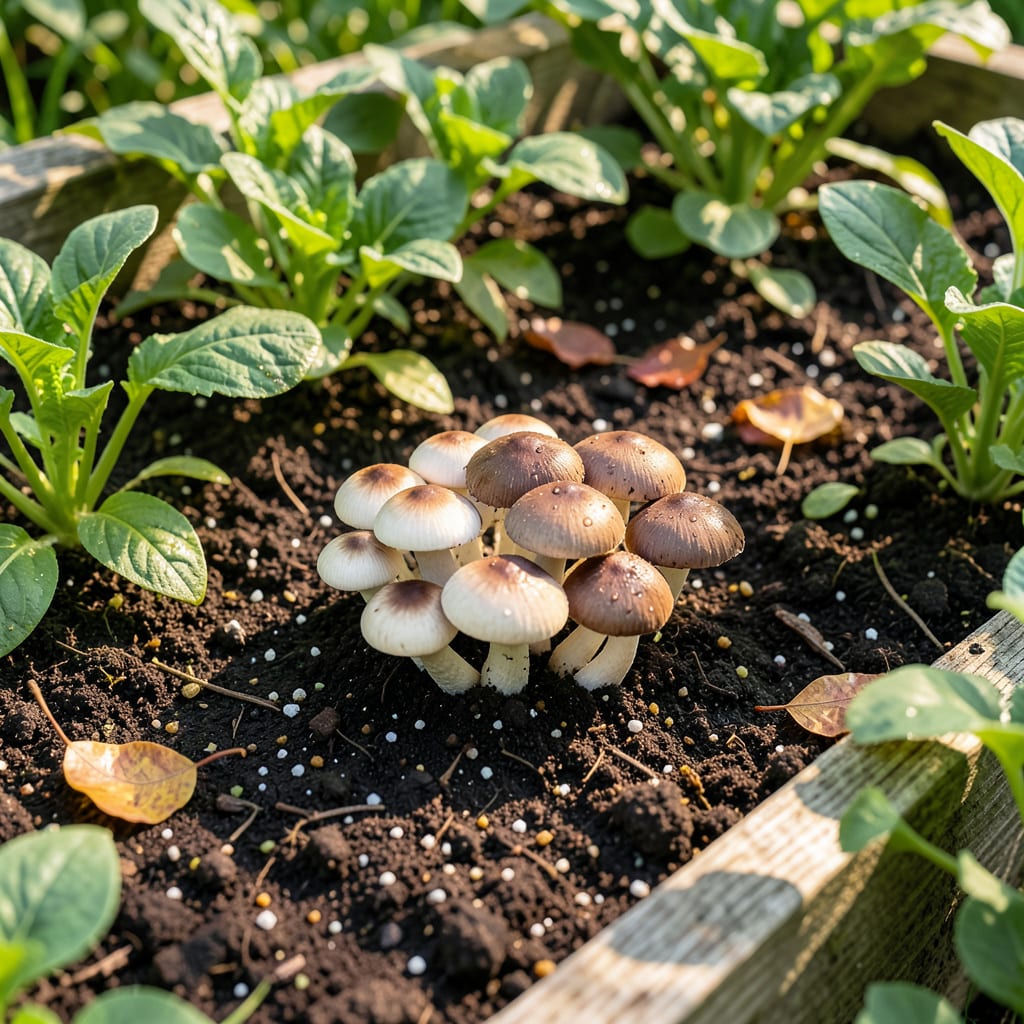
White spots on your tomatoes or wilting zucchini plants often point to a silent soil enemy. I’ve battled fungus in my vegetable beds for years, learning that early identification saves entire harvests.
The culprits hide in plain sight—powdery mildew on leaves, black spots on stems, or mushrooms sprouting between rows. These are signs your soil’s microbial balance is off, usually from excess moisture or poor drainage.
Organic treatments work surprisingly well. Neem oil, baking soda sprays, and beneficial fungi like mycorrhizae can restore balance without harsh chemicals. I’ve seen 80% improvement within two weeks of consistent application.
Prevention beats cure every time. Rotate crops, improve drainage, and avoid overhead watering. Healthy soil grows healthy plants that resist fungal attacks naturally.
Fungal issues in your vegetable garden soil often stem from a few key environmental and cultural factors. Here’s why it happens:
Overwatering or poor drainage creates a damp environment where fungi like Phytophthora and Pythium thrive. These pathogens require moisture to spread and infect plant roots. Solution: Ensure proper drainage and water only when the top inch of soil is dry.
While organic matter enriches soil, excessive undecomposed material (like fresh compost or manure) can feed harmful fungi. Solution: Use well-aged compost and balance with mineral amendments like sand or perlite.
Fungi proliferate in temperatures between 70–85°F (21–29°C) with high humidity. Solution: Improve airflow with spacing and pruning, and use mulch to regulate soil temperature.
Compacted or nutrient-poor soil weakens plants, making them more susceptible to fungal diseases like Fusarium or Verticillium wilt. Solution: Aerate soil and add balanced organic fertilizers to boost microbial diversity.
Fungal spores can spread via infected tools, seeds, or transplants. Solution: Sterilize tools with rubbing alcohol and source disease-free plants.
Tackling fungus in your vegetable garden soil starts with identifying the cause and applying targeted fixes. Below are practical solutions for common fungal problems, paired with prevention tips to keep your garden thriving.
Fungi love damp conditions. If excess water is the culprit, adjust your watering schedule to allow the top inch of soil to dry out between sessions. For heavy or clay soils, mix in compost or sand to boost drainage. Raised beds can also help prevent waterlogging.
Prevention: Water early in the day so soil dries faster, and use drip irrigation to avoid wetting foliage.
Decaying plant matter fuels fungal growth. Remove fallen leaves, spent crops, and weeds regularly. If a specific plant type (like tomatoes) is affected, rotate crops next season to disrupt the fungal lifecycle.
Prevention: Add a 2–3 inch layer of mulch (straw or wood chips) to suppress spores, but avoid piling it against plant stems.
Crowded plants trap humidity, creating a fungal paradise. Thin seedlings and prune dense foliage to improve airflow. Stake or trellis vining plants (like cucumbers) to lift them off the soil.
Prevention: Space plants according to seed packet guidelines, and prune regularly to maintain ventilation.
Weak soil invites trouble. Strengthen it with organic matter (compost, worm castings) and mycorrhizal fungi (the good kind!) to outcompete harmful strains. A baking soda spray (1 tsp per quart of water) can treat mild fungal spots on leaves.
Prevention: Test soil pH annually—most veggies prefer 6.0–7.0. Adjust with lime (to raise) or sulfur (to lower) as needed.
💡 Pro Tip: Solarizing soil (covering with clear plastic for 4–6 weeks in summer) can kill persistent fungal spores before planting.
Look for white or dark mold on soil, wilting plants with yellowing leaves, or strange growths like mushrooms. Stunted growth or spots on leaves can also signal trouble below.
Yes, a spray of 1 tsp baking soda per quart of water can treat mild cases. It changes the pH on leaf surfaces, making it harder for fungi to grow. Reapply every 5-7 days for best results.
Mix 2-3 inches of compost or sand into the top 6 inches of soil. For immediate help, create raised beds. Always water in the morning to allow drying time.
Yes, but solarize it first by covering with clear plastic for 4-6 weeks in summer. This heats the soil enough to kill most fungal spores. Turn the soil before planting.
