
Beautiful Plants For Your Interior
Beautiful Plants For Your Interior
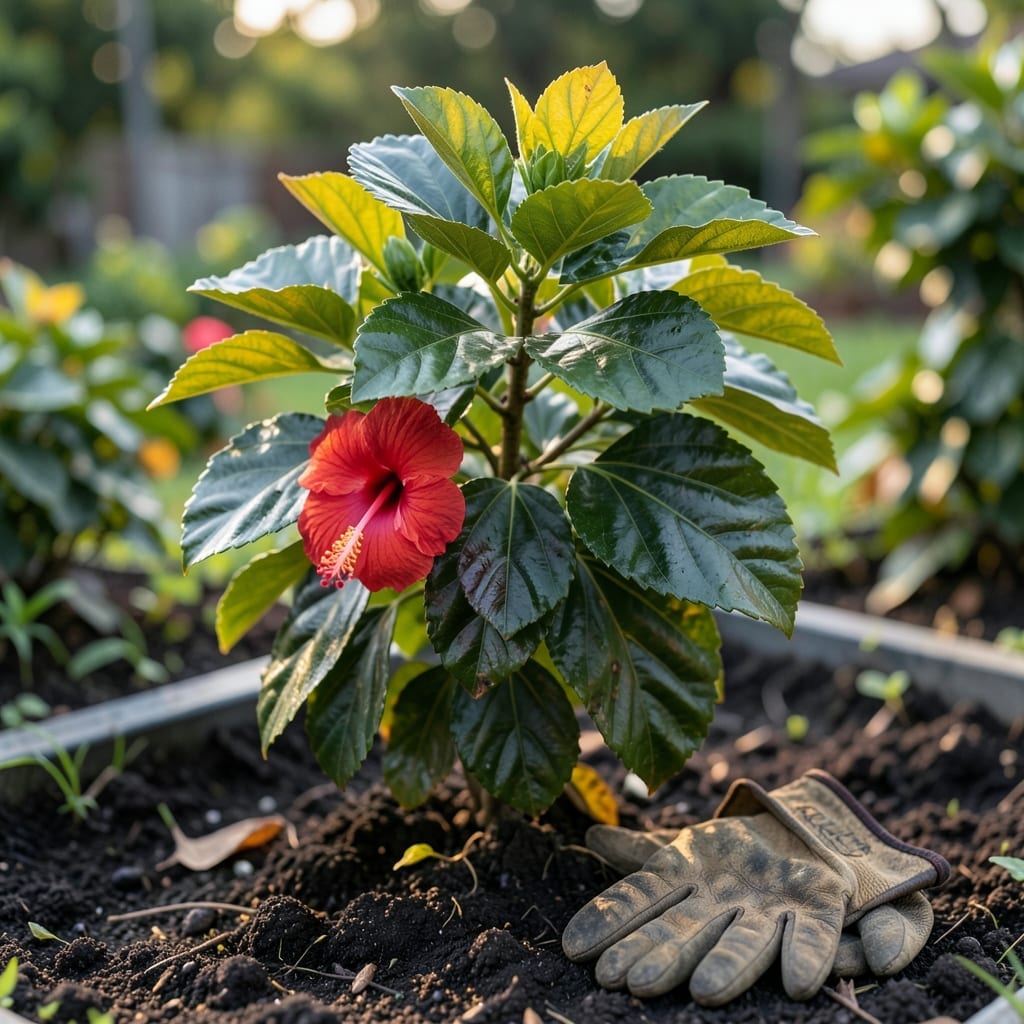
Yellow leaves on your hibiscus aren’t a death sentence. I’ve saved dozens of plants from this exact issue, and the fix is usually simpler than you’d think.
Most cases come down to 3 common culprits: too much water, not enough nutrients, or a sneaky pest problem. The good news is your plant is trying to tell you exactly what it needs.
With the right adjustments, you’ll see new green growth within 2-3 weeks. The recovery is faster than you expect once you address the root cause.
Works for potted plants, garden beds, or tropical hibiscus varieties. Here’s how to diagnose and treat it properly.
Yellowing leaves on your hibiscus can signal several underlying issues, often tied to environmental stress or care imbalances. Below are the most common causes, explained with actionable insights.
Hibiscus plants are heavy feeders, and yellow leaves often point to a lack of nitrogen (uniform yellowing), magnesium (yellowing between veins), or iron (young leaves turning yellow while veins stay green). Nitrogen deficiency typically starts with older leaves, while iron and magnesium shortages affect newer growth first.
Both overwatering and underwatering can trigger chlorosis (yellowing). Overwatering suffocates roots, reducing nutrient uptake, while drought stress disrupts photosynthesis. Check soil moisture 1–2 inches deep—hibiscus prefer consistently moist but well-draining soil.
Extreme temperatures (below 50°F or above 90°F) or sudden light changes (e.g., moving from shade to full sun) can shock the plant, leading to leaf discoloration. Hibiscus thrive in 6–8 hours of sunlight and stable climates.
Spider mites, aphids, or fungal infections (like root rot) sap the plant’s vitality, causing yellowing. Inspect leaf undersides for pests or wilting for fungal signs. Early intervention with neem oil or fungicides can prevent further damage.
Yellow leaves on your hibiscus can often be reversed with the right care. Below are practical fixes for common causes, along with prevention tips to keep your plant thriving.
If the issue is a lack of nitrogen, iron, or magnesium, adjust your fertilizing routine. Use a balanced, water-soluble fertilizer (10-10-10 or 20-20-20) every 2–4 weeks during the growing season. For iron deficiency, apply chelated iron as a foliar spray or soil drench. Prevention tip: Test your soil annually and amend it with compost to maintain nutrient levels.
Hibiscus hate soggy roots! If overwatering is the culprit, reduce watering frequency and ensure the pot has drainage holes. Repot the plant in fresh, well-draining soil if root rot is suspected. Prevention tip: Water only when the top 1–2 inches of soil feel dry, and use a pot with drainage to avoid waterlogging.
Hibiscus need 6–8 hours of sunlight daily. If your plant isn’t getting enough, move it to a sunnier spot or supplement with a grow light. Yellowing leaves in shady areas often turn green once light conditions improve. Prevention tip: Rotate the plant occasionally for even light exposure.
Check the undersides of leaves for aphids, spider mites, or whiteflies. Treat with neem oil or insecticidal soap, applying every 5–7 days until pests are gone. Prevention tip: Inspect leaves regularly and keep the area around your hibiscus clean to deter pests.
Sudden temperature drops or drafts can shock your hibiscus. Move it to a stable environment (60–85°F) and avoid placing it near vents or drafty windows. Prevention tip: Acclimate your plant gradually to new conditions, especially when moving it outdoors.
With proper treatment, new green growth typically appears within 2-3 weeks. Existing yellow leaves may not recover, but the plant will produce healthy new ones. Be patient and consistent with care adjustments.
No, regular garden soil compacts in pots, leading to poor drainage. Use a well-draining mix with 30% perlite or sand for container plants. This prevents root rot and ensures better nutrient uptake.
Recheck for pests or root rot. If the issue persists, the plant may need a soil test for pH imbalances. Hibiscus prefer slightly acidic soil (6.0-6.5 pH
Yes, prune yellow leaves to redirect energy to healthy growth. Use clean shears and cut just above a leaf node. This also improves air circulation, reducing fungal risks.