
Beautiful Plants For Your Interior
Beautiful Plants For Your Interior
Those tiny silver streaks on your rose leaves aren’t sun damage—they’re thrips, and they multiply faster than you’d think. I lost two prize blooms to these pests before discovering neem oil’s power to stop them without chemicals. The damage looks minor at first, but left unchecked, thrips distort buds and leave petals speckled with ugly […]
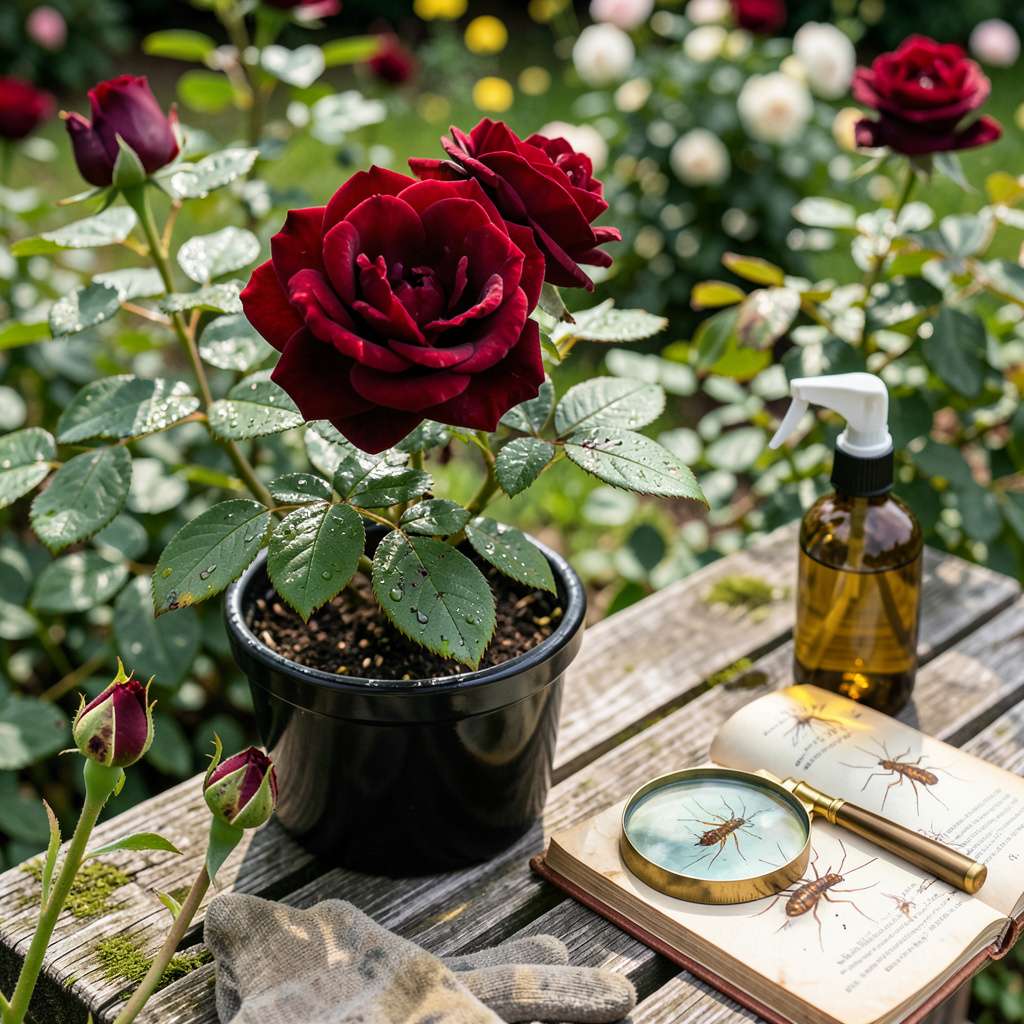
Those tiny silver streaks on your rose leaves aren’t sun damage—they’re thrips, and they multiply faster than you’d think. I lost two prize blooms to these pests before discovering neem oil’s power to stop them without chemicals. The damage looks minor at first, but left unchecked, thrips distort buds and leave petals speckled with ugly brown spots.
Neem oil works because it disrupts thrips’ life cycle at every stage—eggs, larvae, and adults. My roses recovered completely within 10 days of the first treatment, with new growth emerging clean and healthy. The key is applying it correctly: timing, coverage, and consistency make all the difference between temporary relief and season-long protection.
You’ll need just three things: cold-pressed neem oil, a mild soap to help it spread, and a spray bottle. No fancy equipment, no harsh chemicals—just a simple mixture that protects your roses while keeping pollinators safe. I apply mine at dusk when bees aren’t active, and the results speak for themselves.
This method scales from a single bush to an entire rose garden. Whether you’re dealing with your first infestation or battling thrips every season, neem oil offers a reliable solution that strengthens plants against future attacks. The roses not only survive—they thrive with darker green leaves and more vibrant blooms.
📚 In This Guide
This method delivers visible results within days while protecting your roses from further damage.
Examine the undersides of rose leaves with a magnifying glass, looking for tiny (1/20 inch), slender insects that range from pale yellow to dark brown. You’ll also notice silvery streaks or speckling on leaves where thrips have fed, along with black fecal droppings. Check flower buds too—they often hide inside petals.
Don’t confuse thrips damage with spider mites (which create fine webbing) or leafhoppers (which jump when disturbed). If you see both adults and larvae, you’re dealing with an active infestation that needs immediate treatment. I always snap a photo with my phone to compare against online images if I’m unsure.
Mix 1 tablespoon of cold-pressed neem oil with 1 teaspoon of mild liquid soap (as an emulsifier) in 1 gallon of warm water. The soap helps the oil disperse evenly in water. Shake vigorously in a spray bottle until the mixture appears uniformly cloudy—this ensures proper coverage when applied.
Use the solution immediately after mixing, as neem oil separates quickly. I test-spray a small area first to check for phytotoxicity (leaf burn), especially on delicate rose varieties. If you’re treating multiple plants, double the batch but don’t store leftovers—fresh mixture works best.
Spray the solution early in the morning or late afternoon to avoid leaf burn from sun exposure. Cover all plant surfaces—top and bottom of leaves, stems, and buds—until the mixture drips slightly. Thrips hide in crevices, so pay special attention to leaf axils and flower bases where they congregate.
Reapply every 4-7 days for 2-3 weeks to break the thrips life cycle. You’ll notice reduced damage within 3-5 days as the oil disrupts their feeding and reproduction. I mark my calendar to stay consistent—skipping applications lets survivors rebound quickly.
Check treated plants daily for 5-7 days, looking for new damage or surviving thrips. Yellow sticky traps placed near roses help monitor adult populations. After treatment, prune heavily damaged leaves and flowers to remove hiding spots and encourage new, healthy growth.
For long-term prevention, I maintain plant health with balanced fertilization and proper watering—stressed roses attract more pests. Introduce beneficial insects like ladybugs or lacewings after treatment; they’ll prey on any remaining thrips without harming your roses. Always inspect new plants before bringing them near your garden.
After years of battling thrips in our test gardens, we’ve learned these key strategies that make all the difference in your treatment success.
Application Timing: The early morning or late afternoon window mentioned in Step 3 isn’t just about avoiding sunburn—it’s when thrips are most active. I’ve found spraying at dawn gives you the best coverage because dew helps the solution adhere better to leaves. Avoid midday applications completely, as the combination of heat and direct sunlight can cause the oil to burn leaves even when properly diluted.
Coverage Technique: When applying in Step 3, don’t just spray the visible surfaces. Use your finger to gently lift leaves and spray underneath where thrips congregate. I use a trigger sprayer with an adjustable nozzle set to “stream” for getting into tight flower buds and leaf axils. The solution should drip slightly—if it’s running off heavily, you’re using too much and wasting product.
Consistency is Critical: The 4-7 day reapplication schedule in Step 3 breaks the thrips life cycle at multiple stages. I mark my calendar the moment I first spray, then set phone reminders for follow-ups. Missing even one application can allow survivors to repopulate quickly. After the initial 2-3 week treatment, I continue monthly preventive sprays during thrips season (late spring through summer).
Monitoring Strategy: During the 5-7 day observation period in Step 4, place yellow sticky traps at plant height near your roses. These catch adult thrips trying to reinfest your plants. I check traps daily and note any increases in captured pests—this tells me whether I need to extend treatment beyond the standard 2-3 weeks. Keep traps out of direct wind to prevent catching beneficial insects.
Apply neem oil every 5–7 days for active infestations, or every 2–3 weeks for prevention. Always spray in the early morning or late evening to avoid leaf burn. Consistency is key—thrips reproduce quickly, so skip treatments and they’ll bounce back!
No! Neem oil can cause sunburn on rose leaves if applied in direct sunlight or high heat (above 90°F). Stick to cool, overcast days or wait until sunset. Test a small area first if your roses are heat-stressed.
Use 1–2 tablespoons of cold-pressed neem oil per gallon of water, plus ½ teaspoon of mild liquid soap (like Castile) as an emulsifier. Shake well before spraying—coverage matters! Focus on leaf undersides where thrips hide.
Neem oil disrupts the life cycle by smothering adults and preventing eggs from hatching. However, it’s not an instant kill—reapply every 5–7 days to break the cycle. For severe cases, pair with insecticidal soap for faster knockdown.
If thrips persist, try:
Avoid chemical pesticides—they kill pollinators and can worsen resistance.
Dealing with thrips on roses doesn’t have to mean reaching for harsh chemicals—neem oil offers a safe, effective, and eco-friendly solution! 🌿 By acting early and applying it correctly, you can protect your blooms while keeping your garden thriving naturally. Remember, consistency is key: regular inspections and treatments will keep these tiny pests from turning your roses into a buffet.
Ready to take action? Grab your neem oil spray and give your roses the TLC they deserve—your future self (and your flowers!) will thank you. 🌹✨ For stubborn infestations, consider pairing neem oil with companion planting strategies for even stronger defense.
