
Beautiful Plants For Your Interior
Beautiful Plants For Your Interior
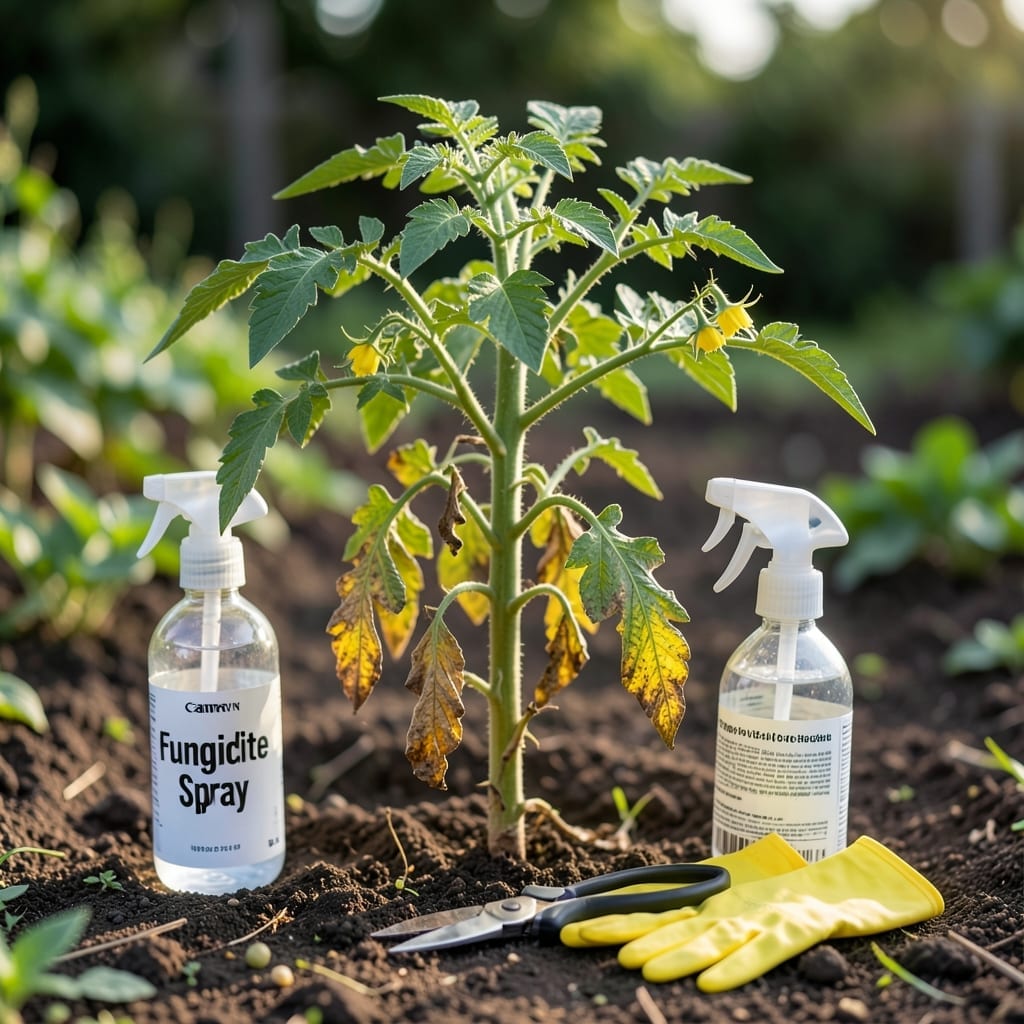
Yellowing leaves and wilting stems don’t always mean underwatering. Fusarium wilt sneaks in through the roots, turning healthy plants into crispy casualties before you realize what’s happening.
I lost half my tomato crop to this silent killer before learning the signs: brown streaks in stems, lower leaves yellowing first, and sudden collapse during hot afternoons. The fungus lives in soil, waiting for stressed plants to attack.
Here’s the thing—once a plant shows symptoms, it’s likely beyond saving. But your soil and remaining plants aren’t doomed. A 3-step approach stops the spread and prevents future outbreaks.
Works for tomatoes, bananas, cotton, and dozens of other susceptible plants. Let’s break it down.
Fusarium wilt is a devastating soilborne disease caused by the fungus Fusarium oxysporum. This pathogen infects plants through their roots, clogging their vascular systems and starving them of water and nutrients. Here’s why it happens:
The primary cause is contaminated soil or seeds carrying the Fusarium oxysporum spores. Once introduced, the fungus can persist in the soil for years, even without a host plant. Using untreated seeds or planting in previously infected soil increases the risk significantly.
Excess moisture in the soil creates ideal conditions for Fusarium to thrive. Overwatering or poorly drained soil weakens plant roots, making them more susceptible to infection. The fungus spreads rapidly in waterlogged environments, so maintaining proper soil drainage is critical.
Fusarium oxysporum is most active in warm soils (75–85°F or 24–29°C). High temperatures accelerate its growth and ability to infect plants. Regions with hot climates or greenhouses with poor ventilation are particularly vulnerable.
Plants weakened by nutrient deficiencies (especially nitrogen or potassium) are more prone to infection. Over-fertilization, particularly with nitrogen, can also stress plants and make them easier targets for the fungus.
The fungus can spread via gardening tools, shoes, or even irrigation water. Failing to sterilize equipment between uses or moving soil from infected areas can introduce Fusarium to healthy plants.
Fusarium wilt can be stubborn, but these targeted solutions help plants recover and prevent future outbreaks. Address the root causes with practical, organic fixes.
Fusarium thrives in contaminated soil. Solarization kills the fungus naturally: cover moist soil with clear plastic for 4–6 weeks in hot sun. For severe cases, remove and replace the top 6–12 inches of soil with fresh, sterile mix. Always disinfect tools with 10% bleach solution after handling infected soil.
Strengthen plants with organic amendments. Mix compost or well-rotted manure into soil to improve microbial diversity. Apply neem cake or trichoderma-enriched compost to suppress fungal growth. Avoid over-fertilizing with nitrogen, which attracts Fusarium.
Pro tip 💡: Rotate crops with non-host plants like corn or grasses for 2–3 years to break the fungus’s life cycle.
Fusarium spreads in soggy roots. Amend heavy soil with perlite or sand, and ensure pots have drainage holes. Water only when the top inch of soil is dry. Drip irrigation keeps foliage dry, reducing infection risk.
Clean pruners, shovels, and stakes with rubbing alcohol or bleach between uses. Never reuse soil or pots from infected plants without sterilization. Wash hands and gloves after handling sick plants to avoid spreading spores.
Prevention is key ✨: Start with disease-resistant varieties, avoid monoculture planting, and keep your garden debris-free. Healthy soil and good airflow are your best defenses!
Solarization reduces fungus levels significantly but may not kill every spore. For best results, cover moist soil with clear plastic for 4-6 weeks during peak summer heat. Combine with crop rotation for added protection.
Yes! Many tomato and banana varieties are bred for resistance. Look for seeds labeled Fusarium-resistant or check with local nurseries. These still need good soil health to thrive.
The pathogen can persist indefinitely without a host. That’s why soil replacement or long-term crop rotation is crucial. Avoid planting susceptible species in the same spot for 3-5 years.
Chemical fungicides offer limited help once plants show symptoms. Focus on prevention: improve drainage, use sterile soil, and boost plant health. Organic options like trichoderma can suppress spores.