
Beautiful Plants For Your Interior
Beautiful Plants For Your Interior
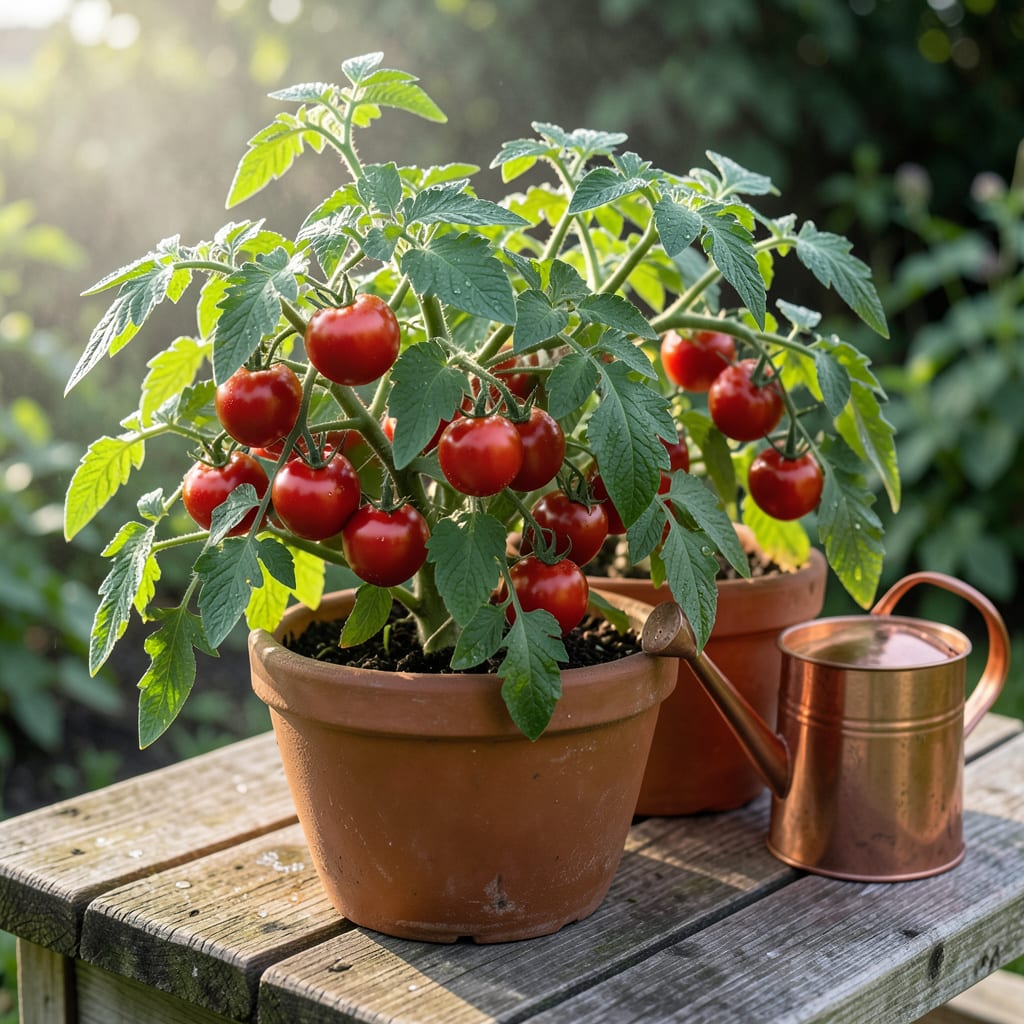
Tomato blight hits hard and fast, turning healthy plants into brown, wilted messes overnight. I lost an entire crop to it once—never again.
This fungal disease spreads through spores in wet conditions, so the key is stopping it before it starts. Good air circulation, proper watering at the base, and crop rotation make a huge difference.
Resistant varieties and organic sprays like copper or baking soda solutions add another layer of protection. Early prevention saves weeks of frustration.
Works for all tomato types, from heirlooms to cherry varieties. Here’s how to keep your plants safe all season.
Tomato blight is a common and destructive disease that can quickly devastate your garden. Understanding its causes is the first step toward prevention. Here are the primary culprits behind this frustrating issue:
Blight is primarily caused by fungal pathogens like Phytophthora infestans (late blight) and Alternaria solani (early blight). These fungi thrive in warm, humid conditions, spreading rapidly through spores carried by wind, water, or infected plant debris. Overhead watering and crowded planting create ideal environments for fungal growth.
Wet foliage is a major trigger for blight. Prolonged moisture on leaves—whether from rain, dew, or irrigation—allows fungal spores to germinate and infect the plant. Poor drainage or high humidity in greenhouses can exacerbate the problem, as standing water and damp soil promote fungal development.
Fungal spores can persist in soil or on gardening tools from one season to the next. If you reuse infected soil, pots, or implements without sterilization, you risk reintroducing the pathogen to healthy plants. Crop rotation and thorough cleaning of tools are essential to break this cycle.
Stressed or weakened tomato plants are more susceptible to blight. Poor nutrition, inadequate sunlight, or overcrowding can compromise a plant’s natural defenses, making it easier for fungi to take hold. Ensuring robust plant health through proper care can reduce vulnerability.
Blight can be devastating, but these targeted solutions will help you save your tomato plants and prevent future outbreaks. Address each cause with the right fix, and follow the prevention tips to keep your garden thriving. 🌱✨
Fix: Remove infected leaves immediately and dispose of them far from your garden (do not compost). Apply a copper-based fungicide or a homemade spray of baking soda (1 tbsp), liquid soap (1 tsp), and water (1 gallon) every 7–10 days.
Prevention: Space plants 18–24 inches apart for airflow. Water at the base (never overhead) to keep foliage dry. Mulch with straw to prevent soil-borne spores from splashing onto leaves.
Fix: Act fast—remove entire infected plants (roots and all) to stop the spread. Treat remaining plants with neem oil or a hydrogen peroxide spray (1 tbsp 3% H₂O₂ per gallon of water).
Prevention: Rotate crops yearly (no tomatoes or potatoes in the same spot). Use drip irrigation and avoid working with wet plants. Choose blight-resistant varieties like ‘Mountain Merit’ or ‘Defiant PhR’.
Fix: Prune infected stems with sterilized shears (dip in rubbing alcohol between cuts). Apply a bactericide like copper sulfate or a garlic-chili spray (blend 2 garlic cloves, 1 chili, 1 tsp soap, and 1 quart water; strain and spray).
Prevention: Disinfect stakes, cages, and tools after each use. Avoid overhead watering, and remove plant debris in fall to eliminate hiding spots for bacteria.
Fix: If blight-like symptoms appear due to heat stress or nutrient deficiencies, adjust care: provide shade cloth during heatwaves, and fertilize with a balanced organic fertilizer (e.g., 5-5-5) to boost plant health.
Prevention: Maintain consistent moisture (1–1.5 inches of water weekly). Test soil pH (aim for 6.0–6.8) and amend with compost if needed.
💡 Pro Tip: Always inspect plants weekly for early signs (brown spots, yellowing, or wilting) and act before blight spreads!
Inspect plants weekly for early signs like brown spots or yellowing. Catch it early to prevent rapid spread through your garden.
Yes, but they’re less susceptible. Varieties like ‘Mountain Merit’ or ‘Defiant PhR’ hold up better under pressure. Still, use preventive measures for best results.
No. Composting can spread fungal spores. Dispose of infected plants far from your garden or burn them.
Always water at the base using drip irrigation. Avoid overhead watering to keep foliage dry and reduce spore germination.
