
Beautiful Plants For Your Interior
Beautiful Plants For Your Interior
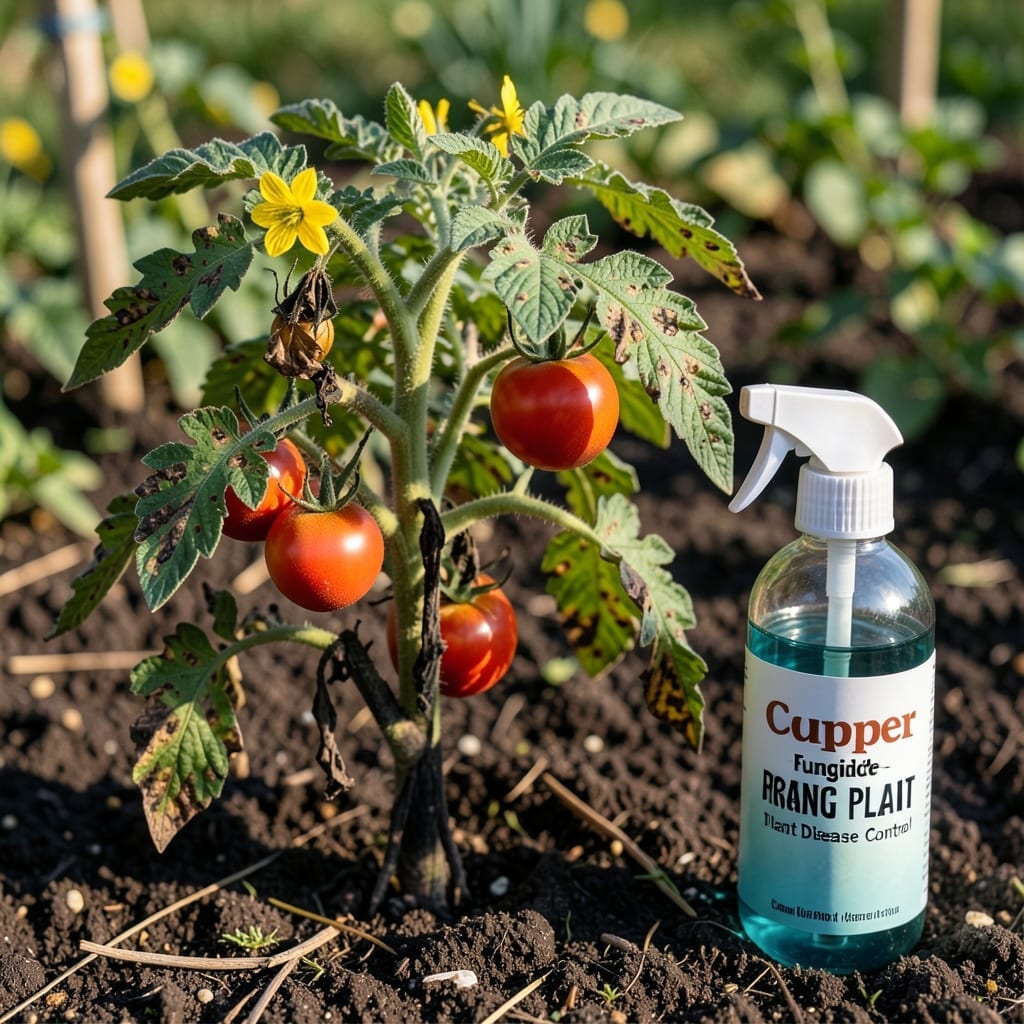
Tomato blight hits fast and hard. I’ve lost entire crops to it before learning how to fight back without harsh chemicals.
The first sign is usually dark spots on leaves, then stems turn brown and plants wilt. Catching it early makes all the difference—remove infected leaves immediately and avoid overhead watering to slow the spread.
With organic treatments like copper sprays or baking soda solutions, you can save your plants and even prevent future outbreaks. Crop rotation next season stops it from coming back.
It’s frustrating, but not hopeless. A little vigilance keeps your tomatoes productive and healthy all season long.
Tomato blight is a frustrating but preventable issue, and understanding its root causes is the first step toward stopping it in its tracks. Here’s why it happens:
Phytophthora infestans (late blight) and Alternaria solani (early blight) are the primary fungal culprits. These pathogens spread rapidly in moist, humid environments, especially when tomato foliage stays wet for extended periods. Overhead watering, poor air circulation, or rainy weather create the perfect breeding ground.
Blight fungi flourish in cool (50–75°F) and warm (75–85°F) ranges, depending on the strain. Late blight thrives in cooler, damp conditions, while early blight prefers slightly warmer temps. Sudden temperature swings weaken plant defenses, making tomatoes more susceptible to spores.
Blight spores can overwinter in soil or on infected plant debris. Using unsterilized gardening tools, reusing contaminated pots, or planting tomatoes in the same spot year after year guarantees reinfection. Even healthy-looking seedlings from infected nurseries can introduce the problem.
Actionable tip: Rotate crops and solarize soil to break the spore cycle.
Stressed tomatoes—whether from poor nutrition, overcrowding, or drought—lack the vigor to fend off blight. Over-fertilizing with nitrogen (promoting leafy growth over fruit) or under-fertilizing (weakening immunity) both create vulnerable plants. Pruning too aggressively can also leave open wounds for spores to enter.
Combating tomato blight starts with identifying the type—early blight or late blight—and then applying targeted fixes. Here’s how to tackle each issue head-on:
For early blight (brown spots with concentric rings), remove infected leaves immediately to stop the spread. Copper-based fungicides or Bacillus subtilis sprays work wonders. Apply every 7–10 days, especially after rain. 💡 Prevention tip: Space plants 2–3 feet apart for airflow and water at the base to keep leaves dry.
Late blight (greasy gray patches) spreads fast. Pull and destroy infected plants—don’t compost them! If caught early, treat with copper soap or potassium bicarbonate. 💡 Prevention tip: Rotate crops yearly and avoid overhead watering. Mulch with straw to prevent soil splashing onto leaves.
Boost plant resilience by amending soil with compost and using blight-resistant tomato varieties like ‘Mountain Merit’ or ‘Defiant PhR’. Solarize soil before planting by covering it with clear plastic for 4–6 weeks to kill lingering spores. 💡 Prevention tip: Start with certified disease-free seeds or seedlings.
Consistency is key—monitor plants weekly and act fast at the first sign of trouble!
Early blight shows as brown spots with concentric rings on lower leaves. Late blight appears as greasy gray patches on leaves and stems. Check the undersides of leaves for white fungal growth with late blight.
Yes! A baking soda mix (1 tablespoon baking soda, 1 gallon water, 1 teaspoon dish soap) can help prevent spread. Apply weekly, but remove infected leaves first.
Yes, blight spores travel easily by wind and water. Keep tomatoes separated from potatoes and peppers, which are also susceptible. Remove infected plants immediately to protect others.
Wait at least 1 year before planting tomatoes in the same spot. Better yet, rotate crops for 3 years to starve out lingering spores.