
Beautiful Plants For Your Interior
Beautiful Plants For Your Interior
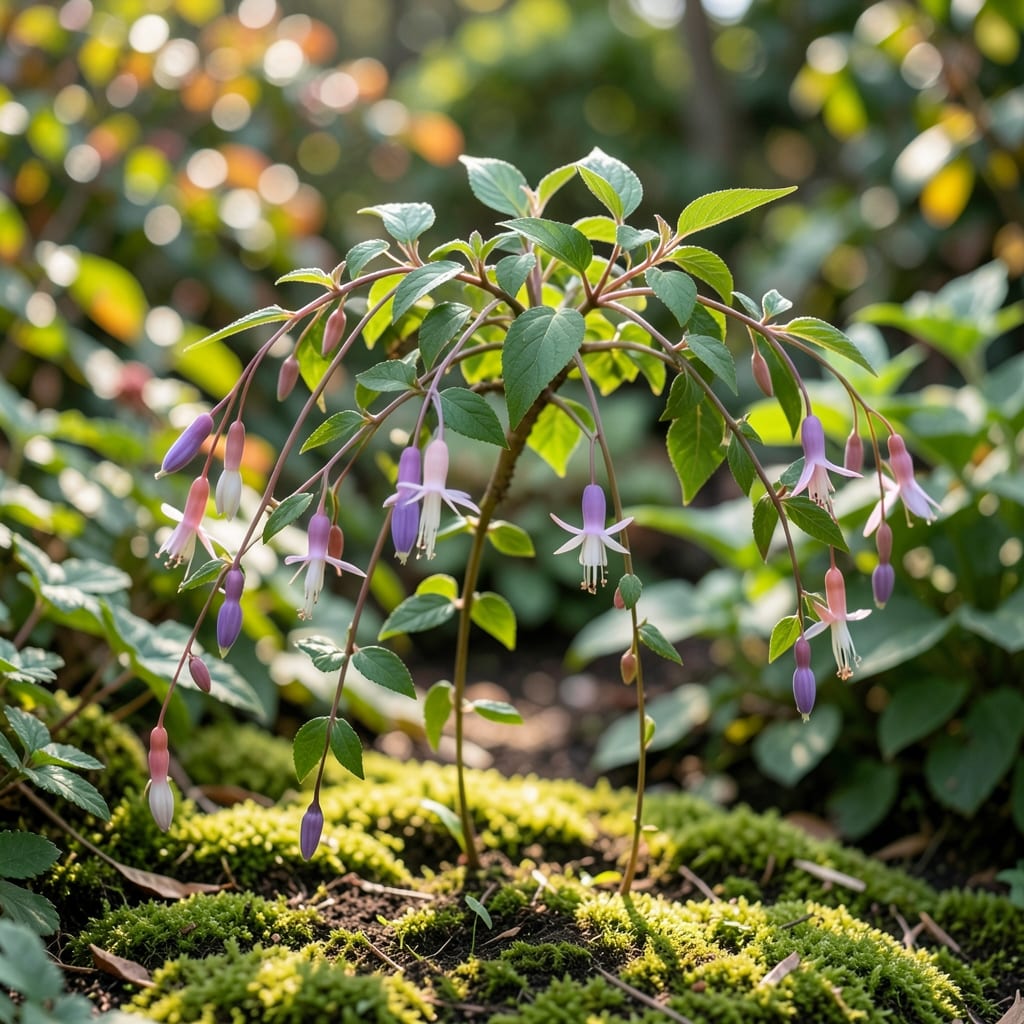
Trailing fuchsia autumnale turns any space into a cascading waterfall of color. I first grew these in hanging baskets and couldn’t believe how they transformed my patio with minimal effort.
With the right light and consistent moisture, you’ll get months of vibrant blooms. These plants thrive in partial shade and reward you with flowers that hummingbirds can’t resist.
📚 In This Guide
Here’s the expert method I use to cultivate stunning trailing fuchsia autumnale with consistent results.
Choose a site with partial shade to full shade, as trailing fuchsia autumnale thrives in indirect light. Direct, harsh sunlight will scorch the delicate foliage and flowers, so dappled shade under a tree or a north-facing wall works perfectly. I always check the light conditions throughout the day to ensure no intense midday sun.
Ensure the location has well-draining soil to prevent root rot. Fuchsias despise soggy roots, so avoid low-lying areas where water pools. If planting in containers, select ones with multiple drainage holes. You’ll know the spot is right when water drains within 10-15 minutes of a test pour.
Amend the soil with plenty of organic matter, such as compost or well-rotted manure, to improve drainage and fertility. Fuchsias prefer slightly acidic to neutral soil with a pH of 6.0-7.0. A handful of perlite or coarse sand mixed into the top 6 inches of soil further enhances drainage.
If growing in containers, use a high-quality potting mix designed for flowering plants. I blend in 20% perlite to keep the roots aerated. Test the soil by squeezing a handful—it should hold shape briefly but crumble easily when touched, indicating ideal structure.
Handle the trailing fuchsia autumnale gently when transplanting, as the stems are fragile. Dig a hole twice as wide as the root ball but no deeper. Place the plant in the hole so the top of the root ball sits slightly above the soil line to prevent settling, which can bury the stem and cause rot.
Space multiple plants 18-24 inches apart to allow for their trailing habit and air circulation. After planting, water deeply to settle the soil around the roots. You’ll see the plant establish itself within 2-3 weeks with proper care.
Keep the soil consistently moist but not waterlogged. Water when the top 1 inch of soil feels dry to the touch. Fuchsias are thirsty plants, especially during active growth and flowering, so check daily during hot, dry spells. Mulching with 2 inches of organic material helps retain moisture and regulate soil temperature.
Feed every 2-3 weeks during the growing season with a balanced, water-soluble fertilizer. I switch to a high-phosphorus formula just before the flowering period begins to encourage abundant blooms. Yellowing leaves often signal a need for more frequent feeding or a nutrient deficiency.
Prune trailing fuchsia autumnale regularly to encourage bushier growth and more flowers. Pinch back the tips of new growth when the plant is 6-8 inches tall to promote branching. Remove spent flowers and leggy stems to redirect energy toward new blooms and healthier foliage.
For trailing varieties, train the stems along a trellis or allow them to cascade over the edges of a hanging basket. Secure stems loosely with soft ties if needed. You’ll notice a surge in flowering after pruning, typically within 3-4 weeks, as the plant responds to the fresh growth stimulation.
Small details make the difference between struggling plants and spectacular blooms.
Light Exposure: Confession: I learned the hard way that even dappled afternoon sun can scorch trailing fuchsia autumnale. True partial shade means no direct light between 10 AM and 4 PM. A north-facing wall or the shadow side of a building works best.
Drainage Test: Real talk: that 10-15 minute drainage window in Step 1 is non-negotiable. Dig a 1-foot deep hole, fill it with water, and time how long it takes to empty. If it takes longer, add perlite or consider raised beds.
Planting Depth: Here’s what nobody tells you—burying the root ball too deep causes stem rot. The top of the root ball should sit 1-2 inches above soil level to account for settling. This prevents water from pooling around the fragile stem.
Pruning Timing: Don’t make my mistake: pinching back at exactly 6-8 inches in Step 5 stimulates maximum branching. Wait too long, and you’ll get leggy growth. Do it too early, and you’ll stress the young plant before it’s established.
Plant in early spring after the last frost for optimal growth. This gives the plant time to establish roots before the blooming season. Avoid late fall planting, as cold weather can stunt growth.
Reduce watering as temperatures drop, but keep soil lightly moist. Trim back leggy growth and protect from frost with mulch or by moving pots indoors. This preserves energy for next season’s blooms.
Watch for aphids, whiteflies, and spider mites. Treat with insecticidal soap or neem oil at first signs. Regularly inspect leaves, especially undersides, to catch infestations early.
Yes! It thrives in hanging baskets with well-draining soil. Ensure the basket has drainage holes and water frequently, as containers dry out faster. Perfect for showcasing its trailing habit.
Yellow leaves often signal overwatering or poor drainage. Check soil moisture and adjust watering habits. Nutrient deficiencies or pests can also cause this—inspect the plant and amend soil if needed.