
Beautiful Plants For Your Interior
Beautiful Plants For Your Interior
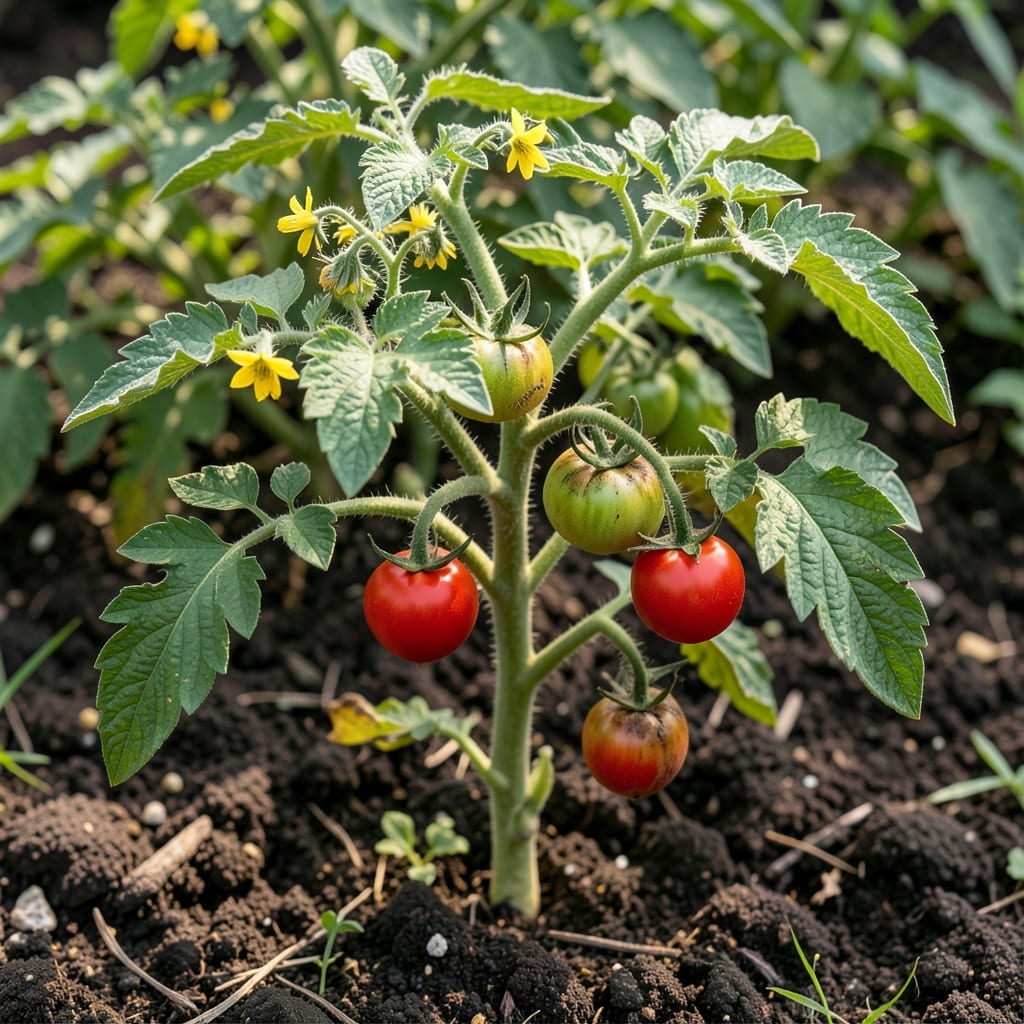
Brown tomatoes ruined my first harvest season. I watched healthy green fruits turn ugly overnight, and it took me too long to figure out why. This happens to every gardener eventually.
What looks like disease is often just a calcium deficiency. The brown spots start small at the blossom end, then spread upward. Most people blame watering issues first, but the real culprit is usually in the soil.
Fix it with crushed eggshells or a calcium supplement. You’ll see new growth respond within 2-3 weeks. The existing brown spots won’t heal, but future tomatoes will stay firm and green.
Works for container gardens, raised beds, or in-ground plants. Here’s the simple solution that saved my crop.
Tomatoes turning brown is often a sign of underlying issues affecting their health. Here are the primary causes:
A lack of calcium in the soil is the most common culprit behind brown, sunken spots on tomato fruits, a condition known as blossom end rot. Calcium is essential for cell wall development, and its absence leads to tissue breakdown. This often happens in sandy or acidic soils where calcium is less available or when fluctuation in soil moisture disrupts nutrient uptake.
Erratic watering—either overwatering or underwatering—stresses the plant and hinders calcium absorption. Too much water can wash away nutrients, while too little prevents the roots from taking up the calcium present in the soil. Aim for consistent moisture (1-2 inches per week) to keep nutrient flow steady.
Rapid temperature changes, especially heat stress above 85°F (29°C) or cold snaps below 55°F (13°C), can disrupt calcium transport within the plant. High temperatures increase transpiration, pulling calcium away from the fruit, while cold slows metabolic processes, leaving tomatoes vulnerable to browning.
Excessive nitrogen, potassium, or magnesium in the soil can block calcium uptake, even if calcium is present. A soil test (pH 6.0-6.8 is ideal for tomatoes) helps identify imbalances. Amending with lime (for acidic soil) or gypsum can restore calcium availability without overloading other nutrients.
Brown tomatoes often signal blossom end rot, but a few targeted fixes can turn things around. Below are practical solutions mapped to the most common causes, plus tips to keep your crop healthy long-term.
Mix crushed eggshells or gypsum into the soil at planting. For a quick fix, dissolve calcium chloride in water (follow package rates) and apply as a foliar spray or soil drench. Prevention tip: Test soil pH—calcium is less available in acidic soil (aim for 6.2–6.8).
Inconsistent watering disrupts calcium uptake. Water deeply 1–2 times per week (more in heatwaves) and mulch with straw to retain moisture. Prevention tip: Use a drip irrigation system to avoid wetting leaves, which can invite disease. 💡 Pro tip: Water in the early morning to reduce evaporation.
Extreme heat or cold can stress plants. Use row covers for cool nights and shade cloth during heatwaves. Prevention tip: Plant tomatoes after the last frost and choose heat-tolerant varieties like ‘Solar Fire’ or ‘Heatmaster’.
Too much nitrogen or potassium can block calcium absorption. Switch to a balanced fertilizer (e.g., 10-10-10) and add compost for organic matter. Prevention tip: Avoid high-nitrogen feeds once fruit sets—focus on phosphorus and potassium instead.
🎯 Key takeaway: Consistency is critical. Monitor soil, water, and weather, and act fast at the first sign of browning. Healthy plants bounce back quickly!
No, the brown patches won’t heal or turn red. However, the rest of the tomato may still ripen. Pick and use them quickly, as they’re prone to rot.
After adding calcium, you’ll see results in 2-3 weeks as new growth appears. Existing brown spots won’t recover, but future fruits will develop normally.
Yes, diluted milk (1 part milk to 4 parts water) can provide calcium. Spray it on leaves weekly, but avoid using it in very hot weather to prevent leaf burn.
No, blossom end rot isn’t a disease and won’t spread. It’s purely nutritional. However, other plants may show similar symptoms if they’re also calcium-deficient.