
Beautiful Plants For Your Interior
Beautiful Plants For Your Interior
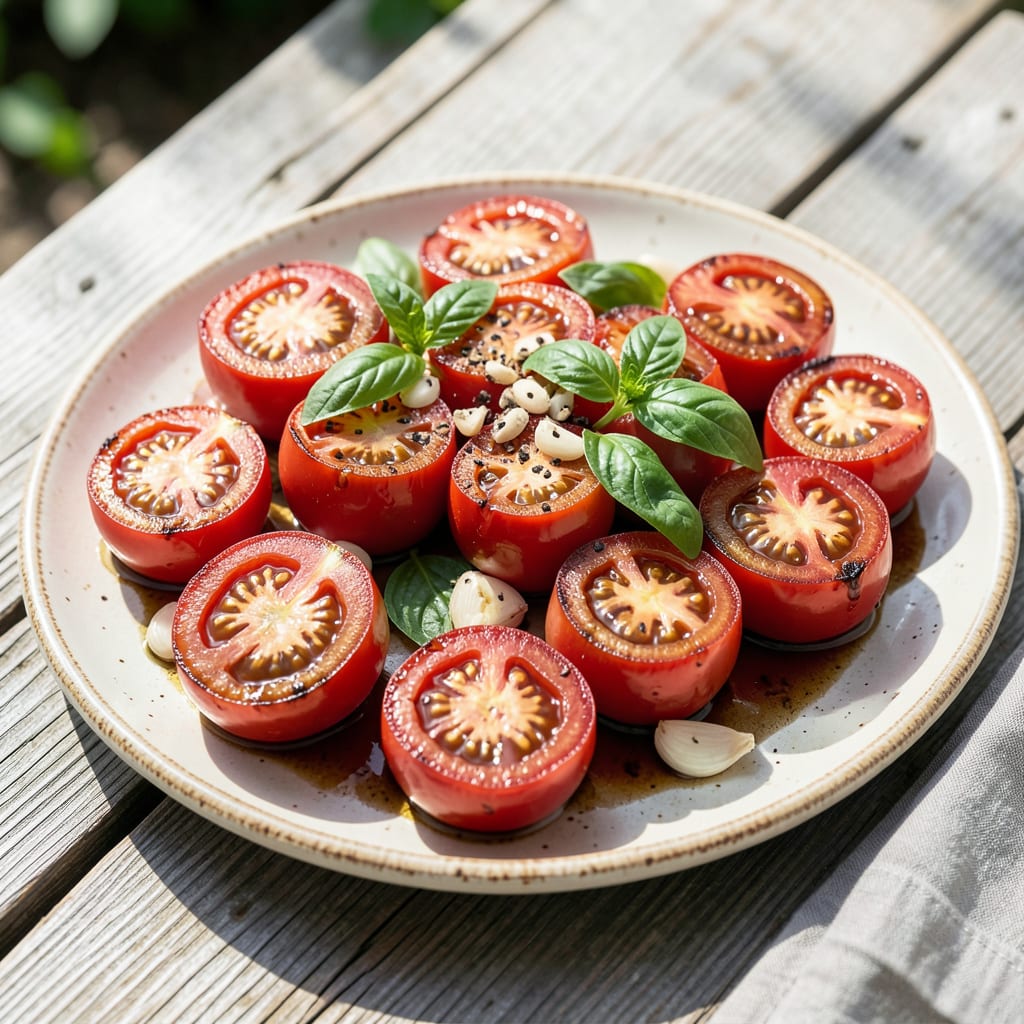
Nothing stings like watching your tomatoes turn brown on the bottom just as they start to ripen. I’ve lost entire crops to this issue before learning it’s usually blossom end rot—a frustrating but fixable calcium deficiency.
Here’s the thing—it’s not about calcium in your soil but about your plants actually absorbing it. Irregular watering, cold soil, or damaged roots disrupt the uptake, leaving you with those telltale brown spots.
You can fix existing fruit and prevent future problems with a few simple adjustments. I’m talking consistent watering, Epsom salt applications, and maybe a calcium boost.
The best part? Your next harvest can be spot-on with these tweaks.
Tomatoes turning brown on the bottom are usually suffering from blossom end rot, a physiological disorder caused by a calcium deficiency in the developing fruit. Here’s why it happens:
The most direct cause is insufficient calcium reaching the fruit. Even if your soil has enough calcium, inconsistent watering, rapid growth, or high soil salinity can disrupt uptake. Calcium moves through the plant via water, so drought or overwatering can block its transport to the blossom end (the bottom) of the tomato.
Fluctuations in soil moisture—such as alternating drought and heavy watering—stress the plant and prevent steady calcium absorption. This is especially common in container-grown tomatoes or sandy soils that drain too quickly.
Hot, dry winds or sudden temperature drops can slow root activity, reducing the plant’s ability to take up calcium. Cold soil (below 55°F) also inhibits nutrient uptake, even if calcium is present.
If your soil pH is too high (above 6.7) or too low (below 6.0), calcium becomes less soluble, making it harder for roots to absorb. A soil test can confirm if pH adjustments are needed.
Excess nitrogen, potassium, or magnesium can compete with calcium, blocking its absorption. Avoid heavy applications of high-nitrogen fertilizers, especially early in the season when fruit is setting.
Here’s how to tackle each cause of brown bottoms on your tomatoes and keep your plants healthy:
Add crushed eggshells or gypsum to the soil for an immediate calcium boost. For a faster solution, use a calcium spray directly on the leaves. Water consistently to help the plant absorb nutrients.
Prevention tip: 💡 Test your soil before planting and amend it with lime if calcium levels are low.
Set up a drip irrigation system or water deeply twice a week to maintain even moisture. Mulch around the base of plants with straw or wood chips to retain water and prevent soil fluctuations.
Prevention tip: 🌡️ Use a moisture meter to monitor soil hydration and avoid over- or under-watering.
Avoid over-fertilizing, especially with high-nitrogen products. Switch to a balanced, slow-release fertilizer to support steady growth. Prune excess foliage to reduce stress on the plant.
Prevention tip: ✨ Follow a regular feeding schedule and avoid sudden spikes in nutrients.
Mix in compost or well-rotted manure to improve soil structure and drainage. If your soil is too acidic, add garden lime to balance the pH. For container plants, ensure pots have drainage holes.
Prevention tip: 🎯 Rotate crops yearly to prevent depletion of essential nutrients in the soil.
Yes, you can eat tomatoes with brown bottoms by simply cutting off the affected area. The rest of the fruit is safe and flavorful. Avoid eating the rotten part as it may taste bitter.
Blossom end rot develops rapidly, often appearing within 2-3 days of stress. It won’t spread between fruits but can affect multiple tomatoes on the same plant if conditions persist.
No, excess fertilizer can worsen the issue by blocking calcium uptake. Use a balanced, slow-release fertilizer and focus on consistent watering instead.
It’s a nutrient issue caused by calcium deficiency, not a disease. Unlike fungal infections, it doesn’t spread between plants but requires soil or care adjustments.
