
Beautiful Plants For Your Interior
Beautiful Plants For Your Interior
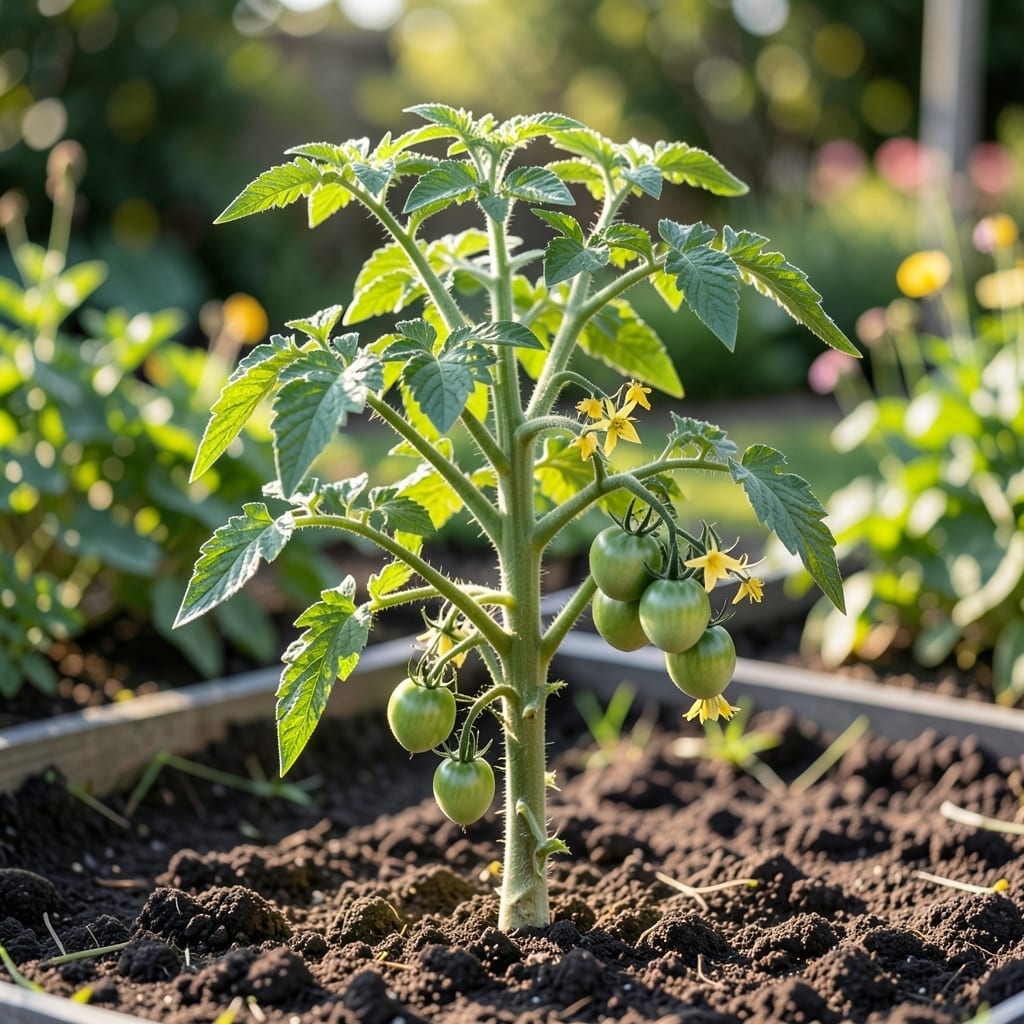
Nothing’s more frustrating than watching tomatoes stay stubbornly green for weeks. I’ve been there—staring at my plants, willing them to ripen, only to realize I was missing a few simple fixes.
Often it’s not the plant’s fault. Too much shade, inconsistent watering, or even cool nights can stall ripening. The good news? Most solutions take 5 minutes and no special tools.
You’ll start seeing color changes within days once you adjust their environment. The key is understanding what your tomatoes actually need—not what you think they need.
Works for cherry, beefsteak, or heirloom varieties. Let’s get those tomatoes turning red.
Tomatoes may stay stubbornly green on the vine for several scientific reasons. Here’s a breakdown of the most common causes:
Tomatoes ripen best between 70–75°F (21–24°C). When temperatures climb above 85°F (29°C), the plant produces lycopene and carotene (the pigments responsible for red color) at a slower rate. Conversely, below 50°F (10°C), enzymatic activity halts, stalling ripening. Nighttime temps are especially critical—consistent warmth is key.
Tomatoes need 6–8 hours of direct sunlight daily to produce the sugars and pigments for ripening. Shade from overgrown foliage, nearby structures, or cloudy weather can starve the fruit of the energy (via photosynthesis) required to mature. Prune excess leaves to improve air circulation and light penetration.
Too much nitrogen (common in fresh manure or high-N fertilizers) promotes lush leafy growth at the expense of fruit maturation. Conversely, a phosphorus or potassium deficiency can delay ripening. Test your soil and adjust with a balanced fertilizer (e.g., 5-10-10) once fruit sets.
When tomato plants are packed too tightly, they compete for water, nutrients, and sunlight. This stress diverts energy away from ripening. Thin seedlings early and space plants 18–24 inches apart (24–36 inches for indeterminate varieties) to ensure optimal growth conditions.
Fungal infections (like early blight) or pest damage (e.g., from aphids or hornworms) weaken the plant, redirecting its resources toward survival rather than fruit ripening. Inspect leaves and stems regularly, and treat infestations promptly with neem oil or organic sprays.
When your tomatoes seem stuck in their green stage, small adjustments can turn things around. Here are the most common causes and their practical fixes:
Tomatoes ripen best between 70–75°F (21–24°C). If nights are below 50°F (10°C) or days exceed 85°F (29°C), ripening stalls. Fix: Use row covers or cloches to retain warmth at night. In extreme heat, provide afternoon shade with shade cloth (30–50%).
Prevention tip: 💡 Plant heat-tolerant varieties (like ‘Heatmaster’ or ‘Solar Fire’) in hot climates, or start seeds earlier in cooler zones.
Tomatoes need 6–8 hours of direct sunlight daily. Shady spots slow ripening. Fix: Prune nearby plants or branches casting shade. Relocate potted tomatoes to sunnier areas. For ground plants, consider reflective mulches (like aluminum foil) to bounce extra light onto the fruit.
Prevention tip: 🎯 Site your garden where it gets full sun, and space plants to avoid overcrowding.
Too much nitrogen promotes lush foliage but delays fruiting. Fix: Stop nitrogen-heavy fertilizers (like fresh manure or high-N blends). Switch to a low-nitrogen, high-phosphorus fertilizer (e.g., 5-10-10) to encourage ripening. Water deeply after adjusting to flush excess nitrogen.
Prevention tip: ✨ Test soil before planting. Use compost or balanced organic fertilizers (like 3-4-6) at half-strength.
Fluctuating moisture levels cause stress, halting ripening. Fix: Water deeply 1–2 times per week (more in extreme heat) to keep soil evenly moist. Use drip irrigation or soaker hoses to avoid wetting foliage. Mulch with straw to retain moisture.
Prevention tip: 🌡️ Install a rain gauge or moisture meter to track watering needs accurately.
With these tweaks, your tomatoes should start blushing red (or yellow, or purple!) in no time. Patience and consistency are key!
Yes, pick mature green tomatoes and place them in a paper bag with a ripe banana. The ethylene gas from the banana will accelerate ripening in 3-5 days.
Uneven ripening often occurs with heat stress or inconsistent watering. Shade part of the plant during peak afternoon sun and maintain steady moisture to prevent this.
Yes, pinching off new flowers directs the plant’s energy toward maturing existing fruit. This works especially well late in the season when time is limited.
Mature green tomatoes feel slightly soft when gently squeezed and have a white, star-shaped pattern on the blossom end. These will ripen if given proper conditions.