
Beautiful Plants For Your Interior
Beautiful Plants For Your Interior
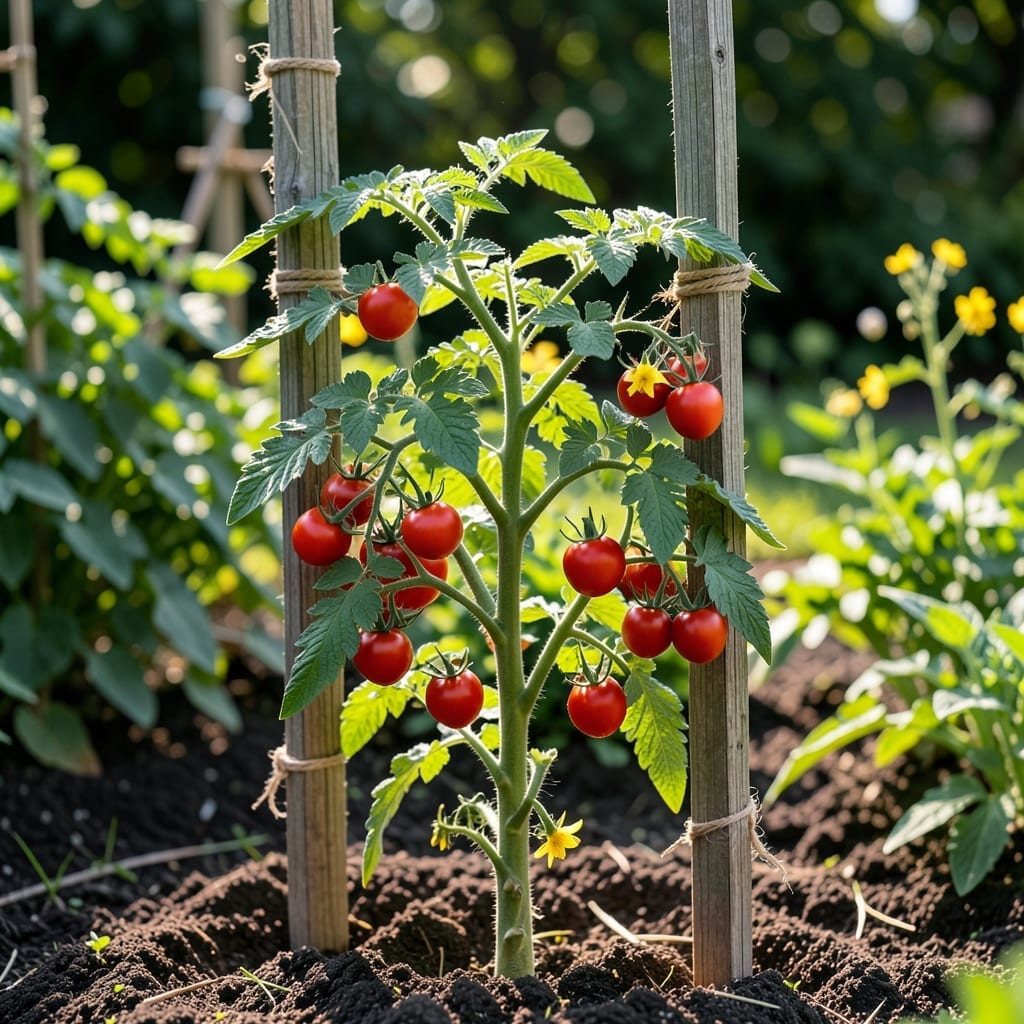
Tomatoes are sun-worshippers, but how much direct sunlight do they truly need to thrive? The right balance can mean the difference between a lackluster harvest and bursting-with-flavor 🍅 fruits.
I’ve seen gardens where Tomato plants struggle in shady spots, producing sparse, taste-less results. It’s heartbreaking when you’ve put in the effort but miss this one most important factor.
What if I told you that just a few adjustments to their light exposure could transform your harvest? You’ll be surprised how much of a game-changer proper sunlight can be.
Discover the ideal daily hours and simple tricks to ensure your Tomato plants get the light they crave for maximum yield and flavor.

If you’ve ever wondered how much sun tomatoes need, the short answer is: a lot. These plants are true sun worshippers, and their productivity directly correlates with sunlight exposure. ☀️
For optimal growth and fruit production, most tomato varieties require 6 to 8 hours of direct sunlight daily. This isn’t just preference—it’s a biological necessity for photosynthesis, flowering, and fruit development.
| Variety | Minimum Sunlight | Ideal Sunlight |
|---|---|---|
| Determinate | 6 hours | 6-8 hours |
| Indeterminate | 6 hours | 8+ hours |
| Cherry Tomatoes | 6 hours | 8+ hours |
Indeterminate varieties, like Beefsteak or Brandywine, are the most sun-hungry. They’ll keep growing and producing as long as they get enough light and nutrients. Determinate types, such as Roma or Celebrity, can manage with slightly less but still thrive best with full sun.
Why does sunlight matter so much? Photosynthesis fuels plant growth, and tomatoes are heavy feeders. Without adequate light, they’ll struggle to produce sugars and energy needed for fruit development. This often leads to smaller, less flavorful tomatoes or a reduced harvest.
In my experience, morning sunlight is particularly valuable. It’s less intense than afternoon sun but highly effective for photosynthesis. If your garden gets partial afternoon shade, prioritize east-facing plots to maximize those gentler morning rays.
Light intensity also plays a role. In hotter climates, like USDA Zone 9 or 10, tomatoes can handle full sun all day, but in cooler zones, such as Zone 5, they’ll benefit from every possible hour of light. I’ve seen northern gardeners use reflective mulches or white fences to bounce extra light onto plants.
If you’re growing tomatoes in containers, place them where they’ll get uninterrupted sunlight. A south-facing balcony or patio is ideal. Rotate pots weekly to ensure even light distribution, especially for vining indeterminate varieties.
For those with limited space, consider dwarf varieties like Tiny Tim or Patio Princess. These compact plants are bred to produce well with slightly less sun, making them perfect for urban gardens or small yards.
Remember, consistency is key. Tomatoes can adapt to less-than-perfect conditions, but fluctuations in light—like sudden shade from a new fence or tree—can stress the plants. Observe your garden’s sun patterns throughout the day to find the sunniest spot for your tomatoes. 🌱
While tomatoes thrive in full sun, they can survive in partial shade with some adjustments. I’ve seen cherry tomatoes and dwarf varieties do decently with 4-6 hours of sunlight. The yield won’t be as bountiful, but it’s possible.
If your garden gets dappled sunlight or morning sun only, choose shade-tolerant varieties like ‘Tiny Tim’ or ‘Stupice’. These are bred to handle less direct light better than most.
To maximize limited sunlight, I recommend using reflective mulches or light-colored surfaces to bounce extra light onto plants. Prune excess leaves to improve air circulation and light penetration.
Remember that indirect light isn’t the same as direct sunlight. Tomatoes need that intense light for photosynthesis and fruit production. Even shade-tolerant varieties will struggle with less than 4 hours of sun.
If you’re growing in containers, move pots to follow the sun throughout the day. I’ve had success with this method on my balcony garden, where sunlight shifts.
Ultimately, while partial shade works for some tomatoes, you’ll get the best results with 6-8 hours of direct sunlight daily. But don’t let limited sun stop you from trying! ☀️