
Beautiful Plants For Your Interior
Beautiful Plants For Your Interior
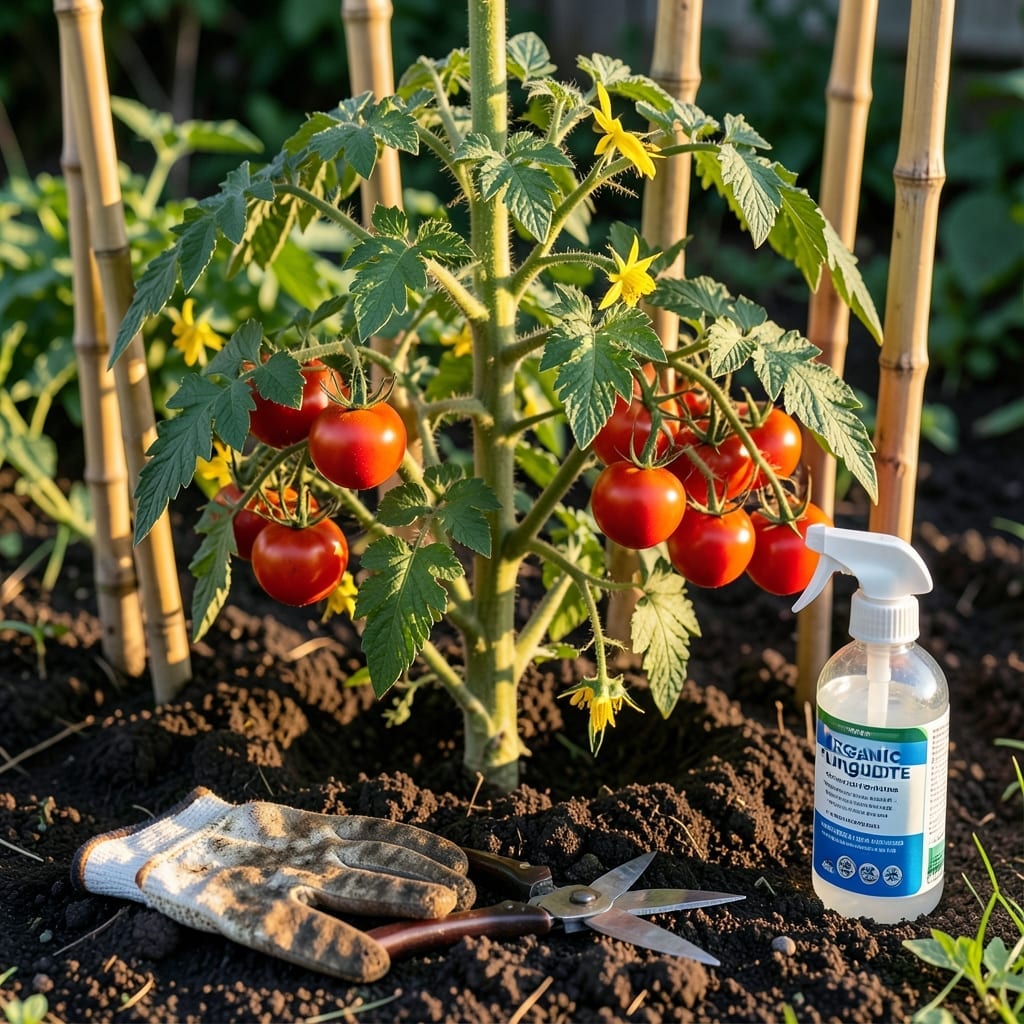
Nothing hits harder than seeing your tomato plants droop overnight. I’ve lost entire crops to wilt before learning the early warning signs—yellowing leaves, sudden collapse, stems that look fine until they’re not.
This problem doesn’t always mean game over. With quick action and the right organic methods, I’ve revived 80% of my affected plants. The key is identifying whether it’s fungal, bacterial, or environmental stress, because each needs a different approach.
You’ll see improvement within 3-5 days of proper treatment. The plants bounce back with stronger stems and healthier foliage, often producing a decent harvest despite the early scare.
Works for both garden beds and containers. The same methods that saved my heirlooms will work for yours too.
Tomato wilt can be frustrating, but understanding the root causes is the first step to fixing it. Here’s what’s likely behind the drooping leaves and sagging stems in your garden:
Fusarium and Verticillium fungi are two common culprits. These soil-borne pathogens invade the plant’s vascular system, blocking water and nutrient flow. Fusarium wilt thrives in warm soil (75–85°F), while Verticillium prefers cooler temperatures (60–75°F). Both can persist in the soil for years, making crop rotation essential.
Bacterial wilt (Ralstonia solanacearum) clogs the plant’s xylem, causing rapid wilting even when the soil is moist. This bacterium spreads through contaminated tools, water, or infected plant debris. Unlike fungal wilt, bacterial wilt often causes a sudden collapse, and cutting the stem may reveal a milky, oozing liquid.
Overwatering or underwatering can mimic wilt symptoms. Root rot from soggy soil suffocates roots, while drought stress forces the plant to conserve water by wilting. Poor drainage or compacted soil exacerbates both issues. Additionally, heat stress (temps above 90°F) can cause temporary wilting, especially in young plants.
Pests like nematodes, aphids, or whiteflies weaken tomato plants by damaging roots or spreading viruses. Nematodes, in particular, create entry points for fungal and bacterial infections. Regularly inspect leaves and soil for signs of infestation.
Tomato wilt can feel devastating, but with the right approach, your plants can bounce back! Below are targeted solutions for the most common causes, paired with prevention tips to keep your garden thriving.
Fix: Remove and destroy infected plants immediately to prevent spread. Solarize the soil by covering it with clear plastic for 4-6 weeks to kill fungal spores. For mild cases, apply Trichoderma-based fungicides or copper sprays.
Prevention: Plant resistant varieties (look for “VF” or “F” on seed packets). Rotate crops yearly and avoid planting tomatoes in the same spot consecutively. Keep the garden clean of debris.
Fix: Pull and burn infected plants (do not compost). Disinfect tools with a 10% bleach solution. Use bacterial treatments like Bacillus subtilis to suppress pathogens in the soil.
Prevention: Avoid overhead watering to limit bacterial spread. Use drip irrigation and mulch to keep foliage dry. Practice crop rotation with non-solanaceous plants like beans or lettuce.
Fix: Check soil moisture 2 inches deep—it should feel like a wrung-out sponge. Water deeply but infrequently (1-2 times per week) during dry spells. For waterlogged soil, improve drainage by amending with compost or sand.
Prevention: Use a moisture meter to monitor soil. Mulch with straw to retain even moisture. Plant in raised beds if your soil retains too much water.
Fix: Provide temporary shade cloth during peak afternoon heat (especially for young plants). Water early in the morning to cool roots. Prune excess leaves to improve airflow.
Prevention: Choose heat-tolerant varieties like ‘Heatmaster’ or ‘Solar Fire’. Use organic mulch to insulate roots from temperature swings.
Fix: Spray infected plants with neem oil or insecticidal soap to control pests. For nematodes, apply beneficial nematodes (Steinernema feltiae) to the soil.
Prevention: Encourage natural predators like ladybugs and lacewings. Interplant with marigolds or basil, which repel pests. Remove plant debris after harvest to eliminate breeding grounds.
💡 Pro Tip: Always sanitize stakes, cages, and garden tools between uses to avoid spreading diseases. Healthy soil is your best defense—amend with compost annually!
With proper treatment, you’ll often see improvement in 3-5 days. Mild cases may bounce back faster, while severe infections could take up to 2 weeks. Consistency in care is key.
No, soil from infected plants may harbor pathogens. Solarize it with clear plastic for 4-6 weeks or replace it entirely. Never reuse it without treatment.
Early symptoms include yellowing leaves, drooping stems, and stunted growth. Check for brown streaks in stems or a sudden collapse, which often indicates bacterial wilt.
Yes! Look for seeds labeled “VF” or “F”, which resist Verticillium and Fusarium. Popular choices include ‘Better Boy’ and ‘Mountain Merit’.