
Beautiful Plants For Your Interior
Beautiful Plants For Your Interior
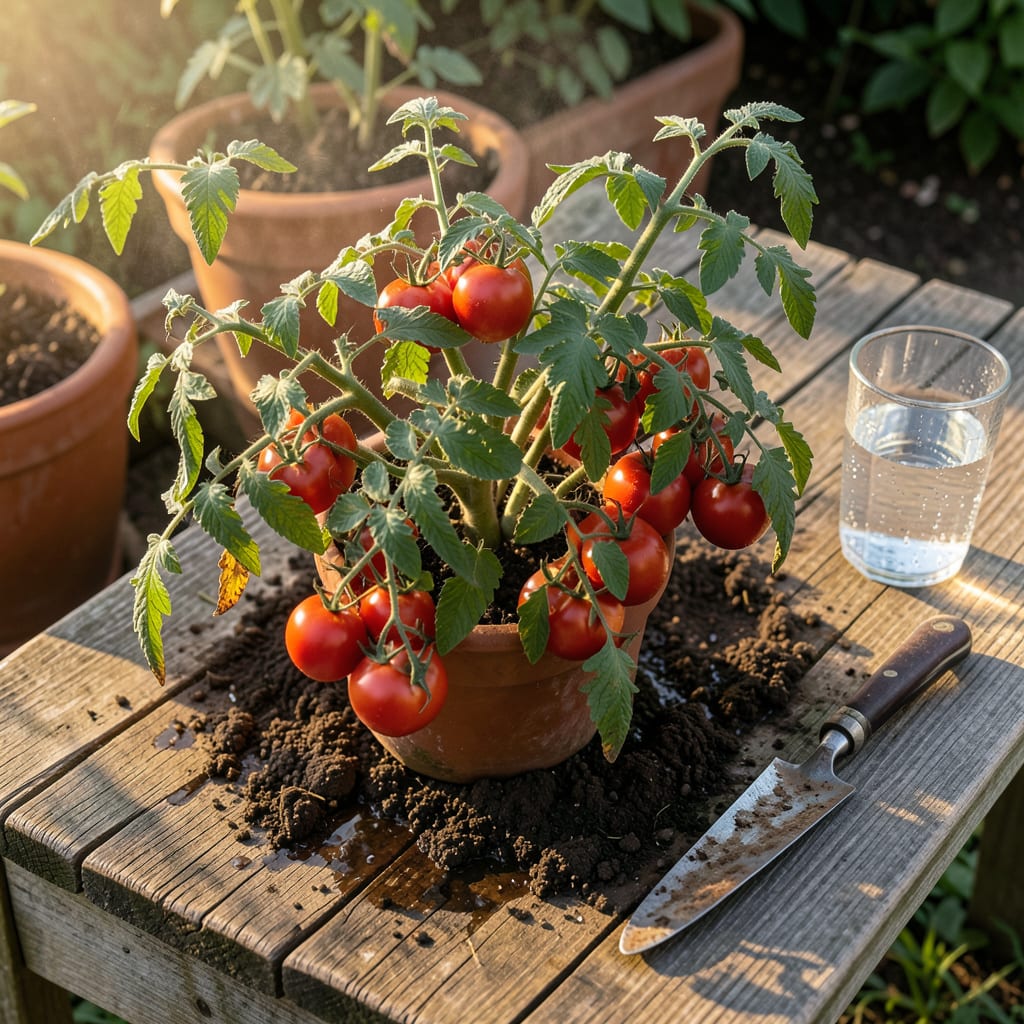
Nothing deflates a gardener faster than watching tomato plants droop overnight. I’ve lost entire crops to wilting and learned the hard way that the cause isn’t always obvious—it could be too much water, too little, or something lurking underground.
Overwatering drowns roots just as surely as drought starves them. Both leave plants unable to drink, while pests like nematodes or diseases such as fusarium wilt attack from below. The signs look similar, but the fixes are worlds apart.
You’ll spot the difference by checking soil moisture and inspecting stems for discoloration or spots. Early action saves plants—once wilting spreads, recovery gets tougher by the hour.
Works for container and in-ground tomatoes alike. Here’s how to diagnose and stop the droop before it’s too late.
Tomato plants wilt when their ability to absorb and transport water is disrupted. This can stem from several underlying issues, each with distinct mechanisms. Below are the primary causes, explained with actionable insights.
Excess water saturates the soil, reducing oxygen availability to the roots. This leads to root asphyxiation, where roots cannot respire, causing them to rot. Fungal pathogens like Phytophthora thrive in waterlogged conditions, further damaging the root system. As roots decay, they fail to uptake water, leading to wilting despite wet soil.
Insufficient water or extreme heat disrupts the plant’s turgor pressure—the internal water pressure that keeps stems rigid. When soil moisture is low, roots cannot supply enough water to the leaves, causing them to droop. High temperatures accelerate transpiration, worsening the effect.
Pathogens such as Fusarium and Verticillium infect the vascular system, blocking water transport. These soil-borne fungi enter through the roots, producing toxins that clog xylem vessels. Similarly, bacterial wilt (Ralstonia solanacearum) causes rapid wilting by multiplying within the plant’s water-conducting tissues.
Pests like whiteflies, aphids, and root-knot nematodes damage roots or stems, impeding water flow. Nematodes, for example, form galls on roots, disrupting nutrient and water absorption. Severe infestations can cause sudden wilting, often accompanied by yellowing leaves.
A lack of essential nutrients, particularly calcium or magnesium, weakens plant cell walls and disrupts water regulation. Calcium deficiency leads to blossom end rot and poor structural integrity, while magnesium deficiency impairs chlorophyll production, reducing the plant’s ability to sustain itself.
When your tomato plants start to droop, quick action can save them. Below are targeted fixes for the most common causes, plus tips to keep your garden thriving.
Let the soil dry slightly between waterings. Stick your finger 1-2 inches into the soil—if it’s damp, hold off. Water deeply but less frequently (2-3 times a week in hot weather). Prevention tip: 💡 Use mulch to retain moisture and prevent soggy roots.
For root rot or wilts like Fusarium or Verticillium, remove infected plants immediately to stop the spread. Solarize soil by covering it with clear plastic for 4-6 weeks to kill pathogens. Prevention tip: 🌱 Rotate crops yearly and choose disease-resistant tomato varieties.
Check stems and leaves for aphids, whiteflies, or nematodes. Spray with neem oil or insecticidal soap for soft-bodied pests. For nematodes, plant marigolds nearby as a natural deterrent. Prevention tip: ✨ Encourage beneficial insects like ladybugs by planting companion flowers.
During heatwaves, wilting can happen fast. Use shade cloth (30-50%) during peak sun hours. Water early in the morning to reduce evaporation. Prevention tip: 🌿 Stake or cage plants to improve airflow and reduce heat buildup.
Test your soil—tomatoes thrive in well-draining, slightly acidic (pH 6.0-6.8) soil. Mix in compost or aged manure to improve texture. Avoid high-nitrogen fertilizers; opt for balanced (10-10-10) or phosphorus-rich options. Prevention tip: 🎯 Test soil annually and adjust as needed.
Yes, if caught early. Check soil moisture first—adjust watering and ensure proper drainage. For pests or disease, remove affected areas immediately. Most plants recover within 24-48 hours with the right fix.
This is often temporary heat stress. Plants droop to conserve water during peak sun. If they perk up by evening, it’s normal. For severe heat, use shade cloth until temperatures drop.
Water consistently at the base, not leaves. Use mulch to retain moisture. Rotate crops yearly and plant disease-resistant varieties. Inspect plants weekly for early pest or disease signs.
