
Beautiful Plants For Your Interior
Beautiful Plants For Your Interior
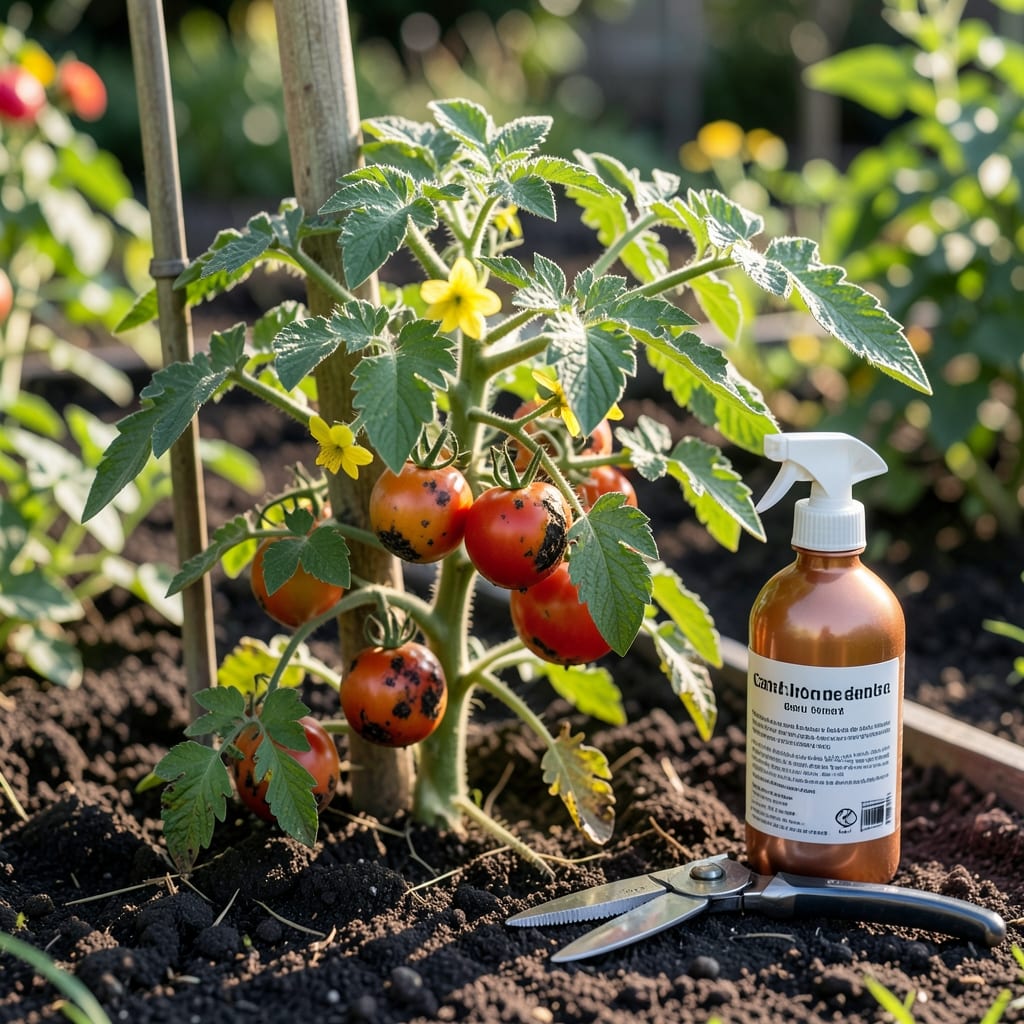
Nothing stings like watching healthy tomato plants crumble to rot overnight. I’ve lost entire crops to blight and fungal infections, but I’ve since learned that most cases can be reversed with quick, organic action.
The key is catching it early—dark spots, mushy stems, or white growth are your first warnings. With the right treatment, you can stop the spread and nurse plants back to vibrant health without harsh chemicals.
Simple fixes like removing infected leaves, improving airflow, and applying natural fungicides work wonders. Prevention is even easier: proper spacing, watering at the base, and crop rotation keep problems from returning.
Whether it’s early blight or late-season rot, these methods restore plants fast. No more watching your harvest disappear.
Understanding why tomato rot occurs is the first step toward effective tomato rot treatment. Several factors contribute to this frustrating issue, often tied to environmental conditions, cultural practices, or pathogens. Below are the primary causes, broken down for clarity.
Tomatoes are prone to rot when exposed to prolonged moisture, especially in poorly drained soil. Overwatering or heavy rainfall saturates the soil, reducing oxygen availability to the roots. This creates an ideal environment for Phytophthora infestans (late blight) or Fusarium and Verticillium fungi, which thrive in damp conditions. Additionally, wet foliage encourages bacterial spot (Xanthomonas spp.) and early blight (Alternaria solani).
High humidity (above 85%) and temperatures between 75–85°F (24–29°C) accelerate fungal and bacterial growth. Heat stress weakens tomato plants, making them more susceptible to pathogens like Colletotrichum coccodes (anthracnose), which causes sunken, circular lesions on fruits. Conversely, sudden temperature drops can stress plants, reducing their natural defenses.
Over-fertilization, particularly with nitrogen, leads to lush, soft growth that’s more vulnerable to rot. Conversely, calcium deficiency causes blossom end rot, a physiological disorder (not a pathogen) where cell walls collapse due to poor calcium uptake. This is common in fluctuating soil moisture or acidic soils (pH < 6.0). Potassium deficiencies also weaken plant resilience.
Overcrowding plants restricts airflow, trapping moisture and promoting disease spread. Improper pruning (e.g., removing too many leaves) can expose fruits to direct soil contact, increasing infection risk. Additionally, using contaminated tools or reuse of infected soil spreads pathogens like Ralstonia solanacearum (bacterial wilt). Crop rotation is critical—planting tomatoes in the same spot yearly depletes soil nutrients and builds up disease organisms.
Insects like aphids, whiteflies, or hornworms create entry points for bacteria and fungi through their feeding wounds. For example, Stemphylium leaf blight often follows insect damage. Nematodes attacking roots also stress plants, making them more prone to secondary infections.
Dealing with tomato rot can be frustrating, but these targeted solutions will help you revive your plants and prevent future outbreaks. Address the issue early for the best results!
Fix: Remove infected leaves and fruits immediately to stop the spread. Apply copper fungicide or a baking soda spray (1 tbsp baking soda + 1 gallon water + a few drops of dish soap) every 7–10 days. For organic options, use neem oil or compost tea as a foliar spray.
Prevention: 💡 Improve airflow by pruning dense foliage. Water at the base to keep leaves dry, and rotate crops yearly to avoid soil-borne fungi.
Fix: Treat affected plants with a calcium-rich foliar spray (e.g., crushed eggshells soaked in water or store-bought calcium nitrate). Remove rotten fruits to redirect the plant’s energy.
Prevention: ✨ Test soil pH (aim for 6.2–6.8) and amend with lime or gypsum if needed. Maintain consistent moisture—fluctuations in watering disrupt calcium uptake. Mulch to retain soil humidity.
Fix: Remove and destroy infected plants (do not compost). Disinfect tools and stakes with a 10% bleach solution to avoid contamination. Apply bacterial leaf spot treatments like copper-based sprays.
Prevention: 🎯 Avoid overhead watering and handle plants when dry. Use drip irrigation, and space plants widely to reduce humidity. Sterilize seed-starting mix if growing from seed.
Fix: Act fast—remove all infected plant debris and burn or trash it. Apply chlorothalonil-based fungicide (for conventional gardens) or potassium bicarbonate (organic) every 5–7 days during wet weather.
Prevention: 🌡️ Plant resistant varieties like ‘Mountain Merit’ or ‘Defiant’. Avoid planting tomatoes in the same spot year after year, and remove volunteer tomato plants that may harbor disease.
Act within 24-48 hours of spotting symptoms. Fungal and bacterial rots spread rapidly, especially in wet conditions. Remove infected parts immediately and begin treatment to save the rest of the plant.
Yes! A baking soda spray (1 tbsp per gallon of water) or neem oil works well for fungal issues. For calcium deficiency, crushed eggshells soaked in water provide a quick boost.
Inconsistent watering is often the culprit. Calcium needs steady moisture to move through the plant. Use drip irrigation and mulch to maintain even soil humidity.
No—never compost plants with bacterial or fungal rot. The pathogens can survive and reinfect future crops. Burn or trash infected material, and disinfect tools with a 10% bleach solution.