
Beautiful Plants For Your Interior
Beautiful Plants For Your Interior
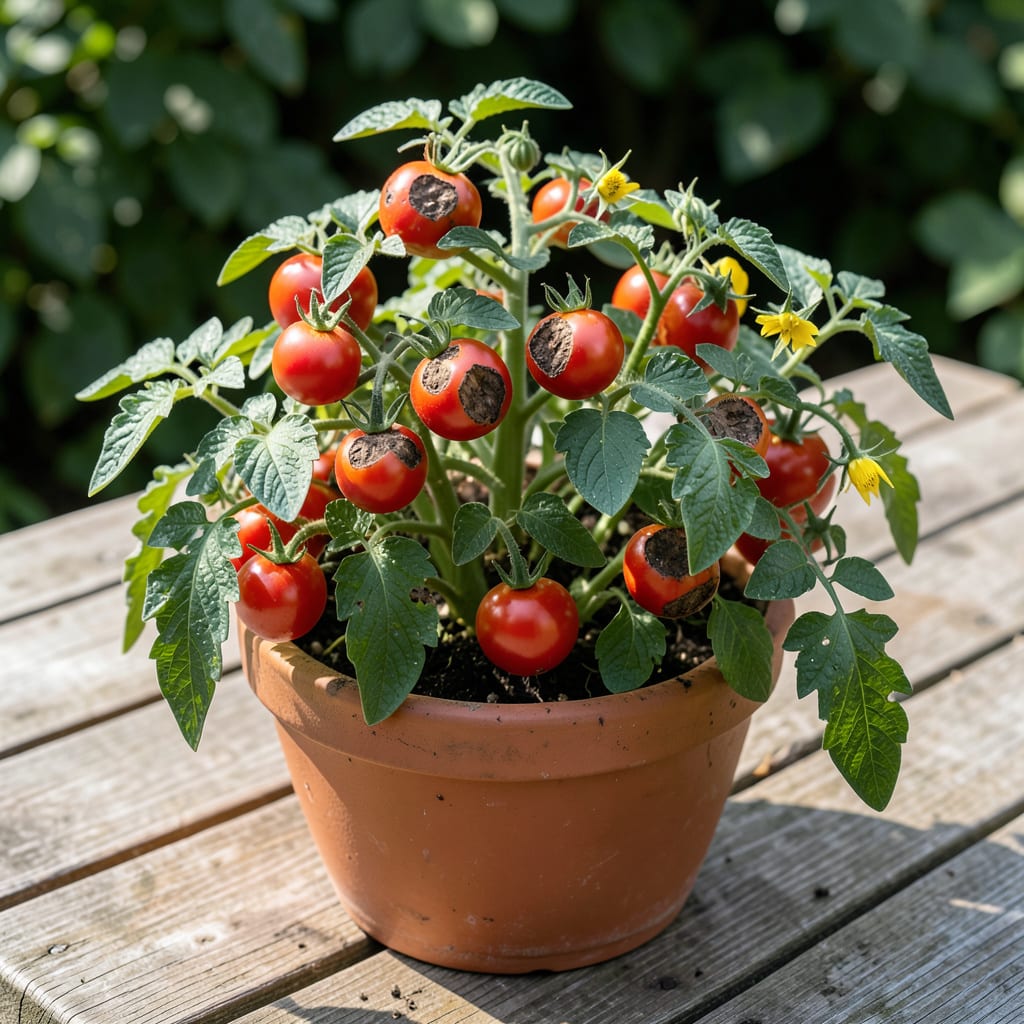
That sunken black spot on your tomato’s bottom isn’t sunburn. Blossom end rot hits hard, turning what should be perfect fruit into a gardener’s heartbreak before it even ripens.
I’ve lost entire crops to this before learning it’s not a disease but a calcium deficiency. The fix isn’t complicated—it’s about consistent moisture and the right soil balance, not just dumping supplements.
You’ll see the difference within 2-3 weeks of adjusting your routine. No more wasted fruit, just plump, healthy tomatoes that actually make it to harvest.
Works for heirlooms, cherries, and every variety in between. Here’s how to stop it for good.
Blossom end rot in tomatoes is a physiological disorder, not a disease, and it’s primarily triggered by environmental and cultural factors. Here’s a breakdown of the most common causes:
The leading cause of blossom end rot is inadequate calcium in the developing fruit. Calcium is essential for cell wall structure, and when plants can’t absorb enough from the soil, the tissue at the blossom end breaks down. This often happens even if the soil has sufficient calcium—uneven watering or root damage can disrupt uptake.
Fluctuating soil moisture—dry spells followed by overwatering—stresses the plant and hinders calcium transport. Tomatoes need consistent moisture (about 1–2 inches per week) to maintain steady nutrient flow. Drought stress is a major contributor, especially in sandy or fast-draining soils.
High heat (above 90°F) or cold snaps can slow calcium absorption and accelerate transpiration, leaving the fruit vulnerable. Rapid growth during heatwaves also dilutes available calcium in the plant, exacerbating the problem.
Tomatoes thrive in slightly acidic soil (pH 6.0–6.8). If the pH is too low (acidic) or too high (alkaline), calcium becomes less soluble, making it harder for roots to absorb. A soil test can confirm if pH adjustments (like adding lime) are needed.
Over-cultivation, nematodes, or transplant shock can damage roots, reducing their ability to take up calcium. Healthy, undisturbed root systems are critical for preventing blossom end rot.
Addressing these factors—through soil testing, mulching, and consistent irrigation—can significantly reduce the risk.
Tackling blossom rot in tomato plants starts with addressing its root causes. Below are targeted fixes for each issue, paired with prevention tips to keep your plants thriving.
If your tomatoes lack calcium, apply a calcium-rich foliar spray (like calcium nitrate or crushed eggshell tea) directly to the leaves. For a quick fix, add gypsum or lime to the soil to improve calcium availability. Prevention tip: 💡 Test your soil pH—aim for 6.0–6.8—and amend it before planting.
Uneven watering disrupts calcium uptake. Set a consistent watering schedule—deep watering 1–2 times per week is better than daily light sprinkles. Use mulch (straw or wood chips) to retain moisture and prevent soil fluctuations. Prevention tip: 🌡️ Install a drip irrigation system for steady hydration.
Poor soil structure or nutrient imbalances can trigger rot. Mix compost or well-rotted manure into the soil to enhance fertility and drainage. Avoid high-nitrogen fertilizers, which can block calcium absorption. Prevention tip: ✨ Rotate crops annually to prevent nutrient depletion.
Extreme heat or cold can stress tomatoes, leading to blossom rot. Use shade cloth during heatwaves and row covers for unexpected cold snaps. Prevention tip: 🎯 Plant heat-tolerant tomato varieties if you live in a hot climate.
By addressing these causes and following prevention steps, you can stop blossom rot in its tracks and enjoy a bumper harvest of healthy tomatoes!
No, affected fruit won’t recover, but you can prevent it on new tomatoes. Remove the damaged ones to redirect the plant’s energy. Focus on correcting watering and calcium levels immediately.
Water deeply 1-2 times per week, ensuring 1-2 inches of moisture total. Use mulch to retain consistency. Avoid letting soil dry out completely between waterings.
Eggshells can help long-term but decompose slowly. Crush them finely and mix into soil before planting. For immediate needs, use a calcium foliar spray or gypsum.
Early fruit often shows symptoms first due to calcium demands. Varieties, plant stress, and uneven watering can cause some to be more vulnerable than others.
