
Beautiful Plants For Your Interior
Beautiful Plants For Your Interior
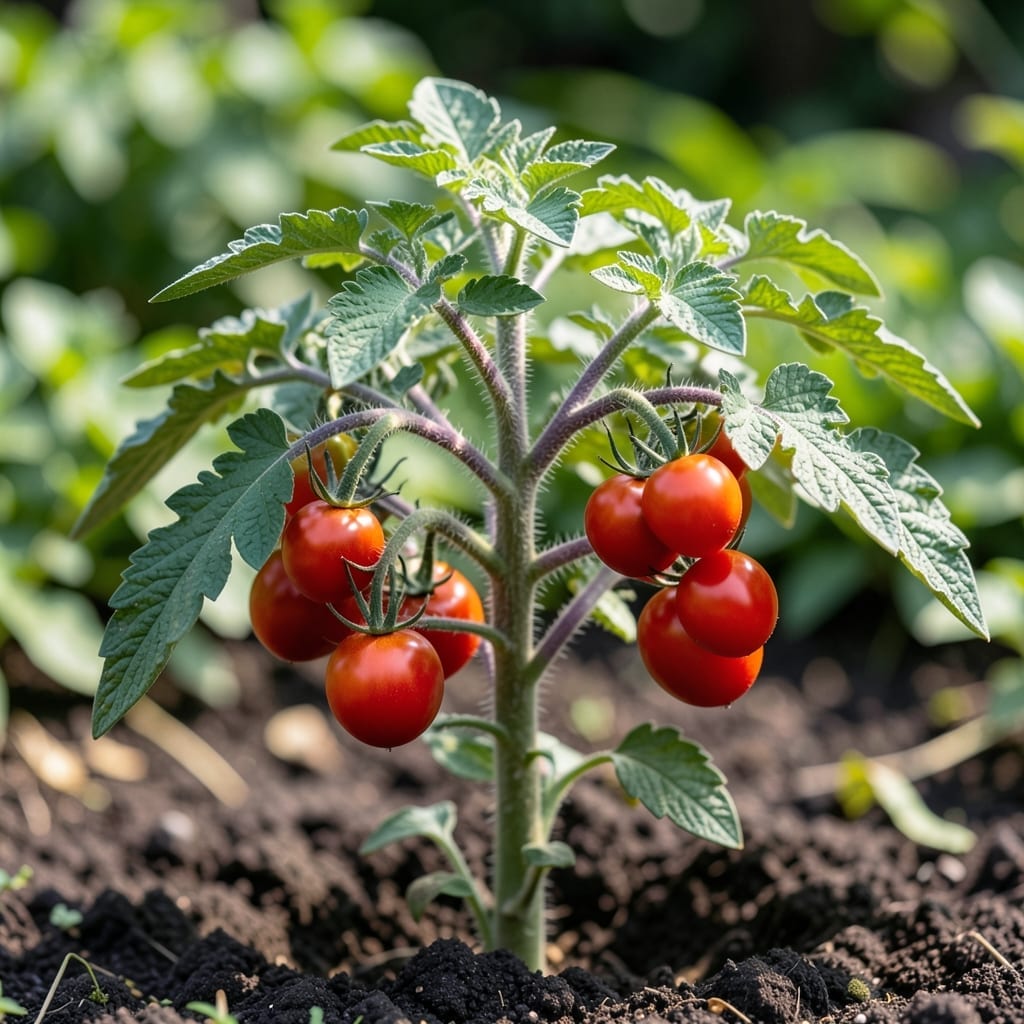
Noticed purple stems on your tomato plants? I’ve been there—it’s startling but fixable.
Most often, it’s a phosphorus deficiency, especially in cool soil. Cold snaps or overwatering can trigger this too, stunting growth and turning stems an odd purple hue. Sometimes, it’s just a variety trait, but don’t bet on that.
Warm the soil with black plastic, adjust your fertilizer, or hold off on watering for a few days. You’ll see greener stems returning in 1-2 weeks with the right tweaks.
Prevention is simpler than correction. Test your soil, plant in warm conditions, and keep watering consistent. Your tomatoes will thank you.
Purple stems on tomato plants often signal an underlying issue, usually tied to nutrients or environmental stress. Here’s a breakdown of the most common causes:
One of the primary culprits is a lack of phosphorus in the soil. Phosphorus is vital for energy transfer and root development. When deficient, tomato plants struggle to produce chlorophyll, leading to purplish discoloration—especially on stems, leaf veins, and undersides. Cold soil temperatures (below 55°F/13°C) can worsen this, as phosphorus becomes less accessible to roots.
Extreme temperatures, particularly cold snaps, can trigger purple stems. Low temps slow phosphorus uptake, even if the nutrient is present. Conversely, heat stress (above 90°F/32°C) may disrupt overall nutrient absorption, indirectly causing discoloration.
Soggy soil suffocates roots, reducing their ability to absorb phosphorus and other nutrients. This often mimics phosphorus deficiency symptoms. Ensure your tomato plants have well-draining soil and avoid waterlogging.
Tomatoes thrive in slightly acidic soil (pH 6.0–6.8). If the pH is too high (alkaline) or too low (acidic), phosphorus and other nutrients become less available, even if they’re present. A soil test can confirm if pH adjustments (e.g., lime for acidity, sulfur for alkalinity) are needed.
Excessive nitrogen or potassium can block phosphorus uptake. For example, over-fertilizing with nitrogen promotes leafy growth but may starve the plant of phosphorus, leading to purple stems. Balance your fertilizer ratios (e.g., 5-10-10) to prioritize phosphorus during early growth stages.
Purple stems on tomato plants usually signal a nutrient imbalance or environmental stress. Here’s how to tackle each cause with simple, actionable fixes.
If cold soil or low phosphorus is the culprit, warm the soil with black plastic mulch to encourage root activity. Apply a balanced, phosphorus-rich fertilizer (like 5-10-5 or 10-20-10) and work it into the top 2–3 inches of soil. For a quick boost, use a liquid phosphate fertilizer and water it in well.
Prevention tip: 💡 Test soil before planting and amend with compost or bone meal to maintain phosphorus levels.
Yellowing leaf edges with purple stems? Add potassium sulfate or a potassium-heavy fertilizer (0-10-10). Wood ash is a natural alternative—sprinkle a thin layer around the base and water lightly. Avoid overdoing it, as excess potassium can block other nutrients.
Prevention tip: 🌡️ Use a slow-release potassium source like greensand at planting time to sustain levels.
Protect plants from chilly nights with row covers or cloches. If planted early, move potted tomatoes indoors overnight. Once temperatures stabilize above 50°F (10°C), stems should return to green.
Prevention tip: ✨ Start seedlings indoors and transplant only after the last frost date for your zone.
Let the top inch of soil dry out between waterings. If drainage is poor, amend the soil with perlite or compost. For container plants, ensure pots have drainage holes and use a well-draining potting mix.
Prevention tip: 🎯 Water deeply but less frequently—aim for 1–2 inches per week, depending on rainfall.
Inspect stems and leaves for pests like aphids or signs of fungal disease. Treat aphids with neem oil or insecticidal soap. For fungal issues, improve airflow and apply a copper-based fungicide as directed.
Prevention tip: 🔥 Rotate crops yearly and remove plant debris to reduce disease risk.
Yes! Once the underlying issue is fixed, new growth will be green. For phosphorus deficiency, expect improvement in 1-2 weeks after treatment. Cold stress recovery may take a few days once temperatures rise.
Use a phosphorus-rich fertilizer like 5-10-5 or 10-20-10. Liquid phosphate fertilizers work fastest. Bone meal is a great organic option for slow-release phosphorus.
Don’t remove them yet! Purple stems often indicate a fixable issue. Only remove plants if they show additional signs of severe disease or pest damage.
Yes, a few heirloom varieties have naturally purple stems and foliage. If the entire plant (not just stems) is purple and healthy, it’s likely a variety trait, not a deficiency.