
Beautiful Plants For Your Interior
Beautiful Plants For Your Interior
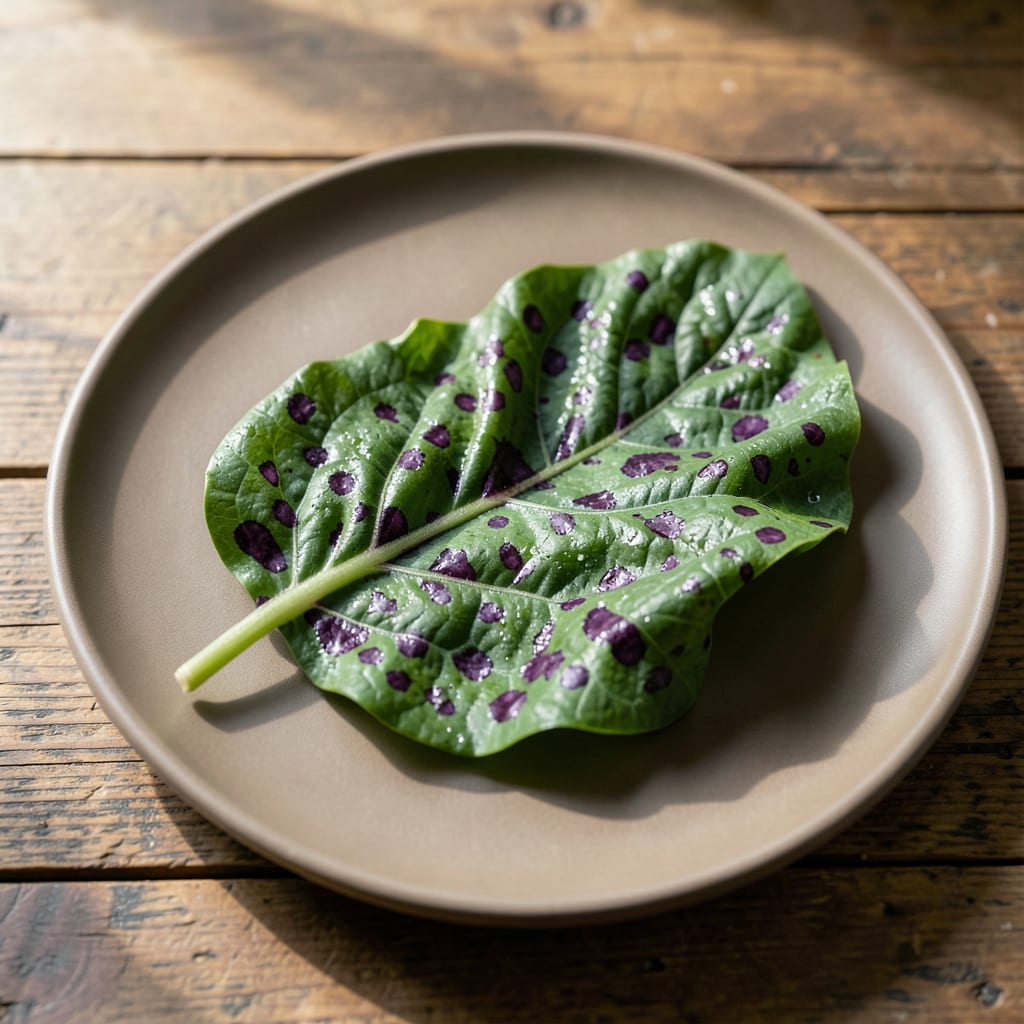
Purple spots on green leaves always get my attention. I’ve seen this pattern enough to know it’s rarely good news, but the cause isn’t always obvious at first glance.
It could be a fungal issue like anthracnose or downy mildew, or a nutrient imbalance like phosphorus deficiency. The pattern and location of the spots help narrow it down—upper leaves often point to disease, while lower leaves suggest roots aren’t absorbing nutrients properly.
Once you identify the culprit, treatment becomes straightforward. Fungicides work for diseases, while a soil test and targeted fertilizer fix deficiencies. I’ve saved countless plants by catching this early.
Prevention is simpler than cure. Proper spacing improves airflow, consistent watering avoids stress, and removing affected leaves stops the spread. Your garden can bounce back quickly with the right approach.
Purple spots on green leaves often signal underlying issues that disrupt normal plant physiology. Below are the most common causes, explained with actionable insights.
Phosphorus or potassium deficiencies are primary culprits. Phosphorus is vital for energy transfer and root development, and its lack can cause purple pigmentation (anthocyanin buildup) on older leaves. Similarly, potassium supports enzyme activation and water regulation; low levels lead to purple or brown spotting along leaf edges. Test soil with a kit (pH 6.0–7.0 ideal) and amend with bone meal (phosphorus) or greensand (potassium).
Sudden cold snaps (below 50°F/10°C) or heat spikes (above 90°F/32°C) trigger stress responses. Cold slows phosphorus uptake, while heat accelerates leaf metabolism, both causing purple blotches. Protect plants with row covers in cold weather or shade cloth during heatwaves. Maintain consistent temperatures for vulnerable species like tomatoes or basil.
Pathogens like Alternaria or Pseudomonas create purple-ringed lesions. These thrive in wet, humid conditions. Look for dark centers with purple halos—a telltale sign. Improve airflow, avoid overhead watering, and apply copper-based fungicides at first sight. Remove and destroy infected leaves to prevent spread.
Some plants, like Purple Passion or Red Ruby lettuce, naturally develop purple flecks due to anthocyanin-rich genetics. If spots are uniform and the plant is otherwise healthy, it’s likely a harmless trait. Compare with known varieties to confirm.
If your plants are showing green leaves with purple spots, don’t panic! Here’s how to diagnose and fix the most common causes, along with prevention tips to keep your garden thriving.
Purple spots often signal a phosphorus or magnesium shortage. Test your soil with a kit (available at garden centers) and amend it accordingly:
Prevention: Use compost or organic matter annually to maintain nutrient levels. 💡
Fungi like Alternaria or Septoria cause purple-spotted leaves. Act fast:
Prevention: Improve airflow by spacing plants properly and watering at the base (not overhead). 🌬️
Extreme heat or cold can trigger purple discoloration. Shield plants from:
Prevention: Choose plant varieties suited to your climate zone. ❄️
Pests like spider mites or aphids suck nutrients, leaving purple marks. Try:
Prevention: Inspect leaves weekly and keep the garden free of debris. 🐞
Not always! Some plants naturally develop purple flecks due to genetics. Check if the plant is otherwise healthy and growing normally.
Nutrient issues often appear on older leaves first, while fungal spots may have dark centers with purple halos. A soil test can confirm deficiencies.
For fungal infections, prune affected leaves and apply copper fungicide. For deficiencies, add bone meal for phosphorus or Epsom salt for magnesium.
Improve airflow, water at the base, and maintain consistent soil nutrients. These steps help prevent most causes of purple spotting.
