
Beautiful Plants For Your Interior
Beautiful Plants For Your Interior
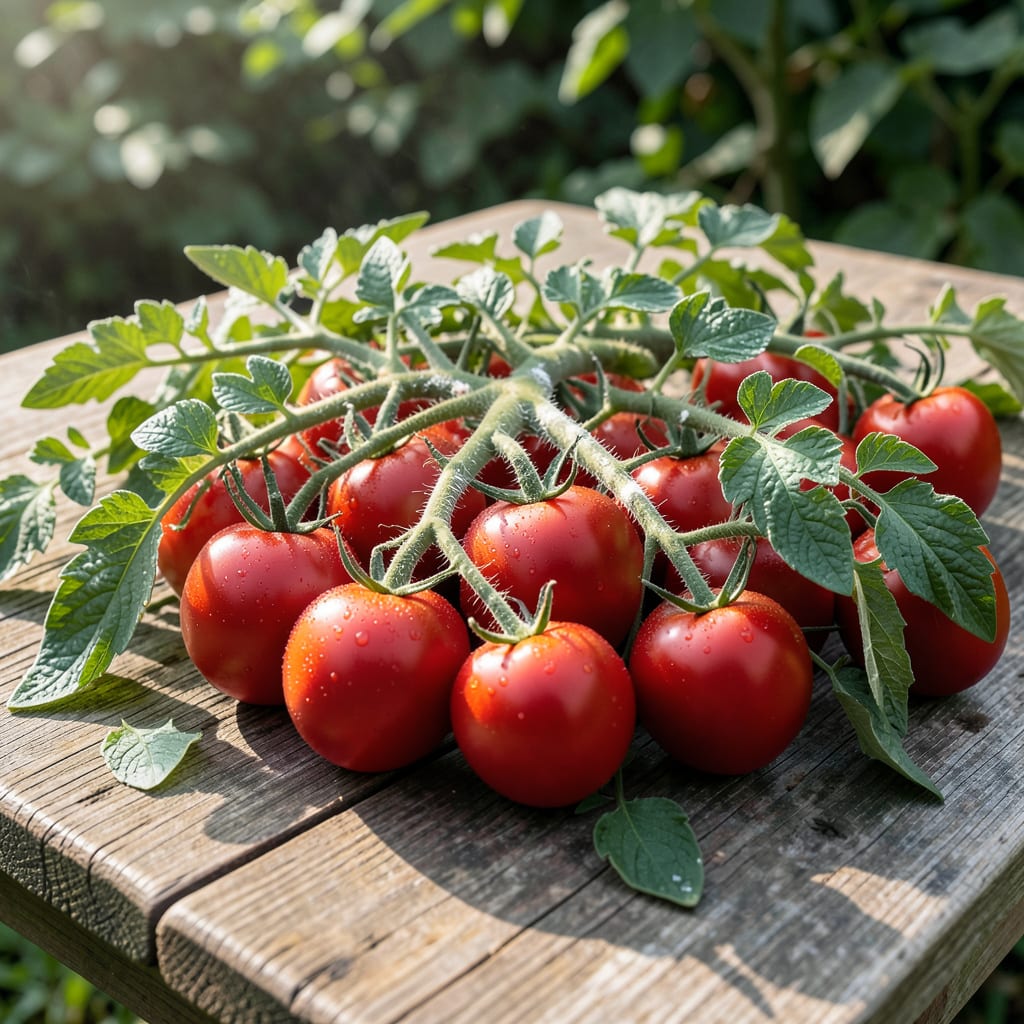
White patches on tomato stems always mean trouble brewing. I first noticed them on my heirlooms last July—tiny spots that spread overnight into powdery coatings.
Turns out these patches scream early warnings for fungal infections, pests, or stress from watering habits. Ignore them and you’ll watch plants weaken as leaves yellow and fruit production stalls.
Catching this early lets you fix it with simple tweaks: better airflow, organic sprays, or just adjusting your watering schedule. The plants bounce back faster than you’d expect.
Works for garden beds, containers, or greenhouse setups. Here’s how to identify the exact cause and stop it in its tracks.
White patches on tomato stems often signal underlying issues that disrupt the plant’s health. Below are the most common causes, explained with actionable insights to help you diagnose and address the problem.
Fungi like Powdery Mildew (Oidium neolycopersici) or Sclerotinia thrive in humid, poorly ventilated environments. These pathogens form white, powdery or cottony growths on stems, leaves, and other plant parts. Overhead watering and crowded plantings exacerbate the issue by creating prolonged moisture on foliage. Action: Improve airflow, water at the base, and apply fungicides like neem oil or sulfur-based sprays at the first sign of infection.
Mealybugs and whiteflies are notorious for leaving behind white, waxy residues on stems as they feed on plant sap. These pests weaken the plant and can introduce secondary infections. Action: Inspect the undersides of leaves and stems for clusters of white, cotton-like deposits. Use insecticidal soap or introduce beneficial insects like ladybugs to control infestations naturally.
Extreme temperature fluctuations, excessive sunlight, or nutrient deficiencies (e.g., calcium or magnesium) can cause physiological stress, leading to discoloration or white patches. For example, blossom end rot (though typically affecting fruit) can sometimes manifest as stem discoloration due to calcium imbalance. Action: Maintain consistent watering, provide shade during heatwaves, and ensure balanced fertilization with a focus on micronutrients.
Overuse of pesticides, herbicides, or foliar sprays can leave white, chalky residues on stems. These chemicals may also burn plant tissues, creating patches of dead, discolored areas. Action: Rinse plants with water if residue is visible, and always follow label instructions for application rates and timing.
Some tomato varieties naturally develop white or light-colored stem markings as part of their growth. For instance, certain heirloom types may exhibit variegation. Action: Compare symptoms with known traits of your tomato variety. If the plant otherwise appears healthy, no intervention may be needed.
Addressing white patches on tomato stems starts with identifying the underlying cause. Here are targeted solutions for common issues, along with prevention tips to keep your plants thriving.
Fungal diseases like powdery mildew often cause white, powdery spots. Fix it: Remove infected leaves and stems immediately to prevent spread. Apply a baking soda spray (1 tsp baking soda, 1 quart water, a few drops of dish soap) weekly. For severe cases, use neem oil or a copper-based fungicide.
Prevention: Space plants properly for airflow, water at the base (not the leaves), and avoid overhead irrigation. 💡 Pro tip: Plant resistant varieties like ‘Mountain Merit’ or ‘Jasper’ for long-term protection.
Mealybugs and aphids leave cottony white residues. Fix it: Wipe stems with a cotton swab dipped in rubbing alcohol to remove pests. For larger infestations, spray with insecticidal soap or introduce beneficial insects like ladybugs.
Prevention: Inspect plants regularly, especially under leaves. Use reflective mulch to deter aphids and keep the garden free of debris where pests hide. ✨
White patches from sunscald appear on stems exposed to intense sunlight. Fix it: Use shade cloth (30-50% shade) during peak hours (10 AM–4 PM) or move potted tomatoes to a cooler spot.
Prevention: Harden off seedlings gradually before transplanting. Mulch around the base to retain soil moisture and reduce heat stress. 🌡️
White or pale stems may signal a lack of magnesium or calcium. Fix it: For magnesium, apply Epsom salt (1 tbsp per gallon of water) as a foliar spray. For calcium, add crushed eggshells to the soil or use a calcium-rich fertilizer.
Prevention: Test soil annually and amend with compost or balanced organic fertilizer. Avoid over-fertilizing with nitrogen, which can inhibit calcium uptake. 🎯
Consistency is key—monitor your plants weekly and act at the first sign of trouble to keep them healthy and productive!
Yes, excess moisture can promote fungal growth. Ensure soil drains well and water only when the top 1-2 inches are dry. Overwatering also stresses roots, making stems more susceptible to discoloration.
Prune affected stems immediately and increase airflow between plants. Space tomatoes at least 18-24 inches apart. Apply a baking soda spray weekly as a preventive measure.
Yes! Varieties like ‘Mountain Merit’ and ‘Jasper’ have strong resistance to fungal diseases. Heirlooms may show natural variegation, so check variety traits first.
