
Beautiful Plants For Your Interior
Beautiful Plants For Your Interior
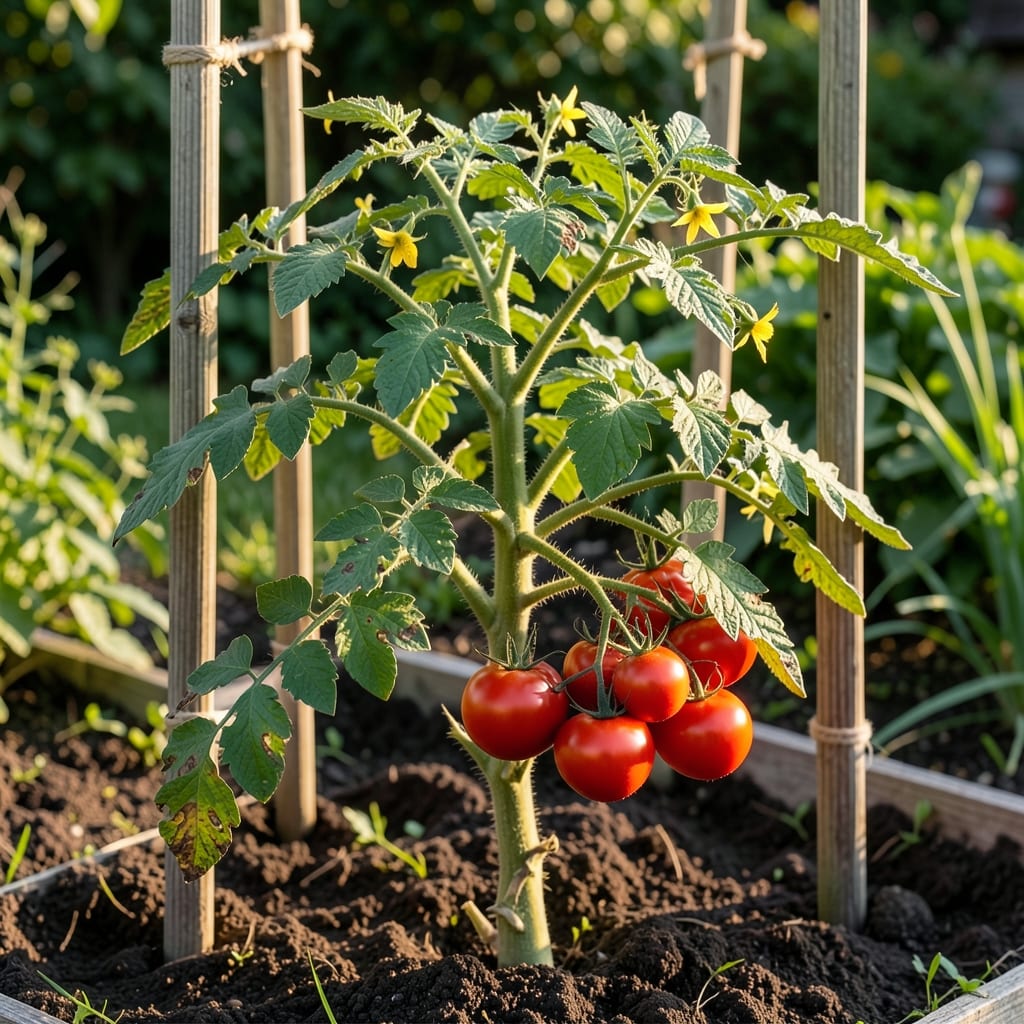
Brown spots on tomato leaves aren’t just unsightly—they’re a warning sign. I’ve seen entire crops wiped out by ignoring this early symptom, but catching it now means saving your plants.
The culprit could be fungal, bacterial, or even environmental stress. Each leaves a different pattern, from tiny dots to spreading patches, but the solution is always faster action. Don’t wait for yellowing or wilting to start investigating.
Natural remedies work surprisingly well here. A simple baking soda spray can halt fungal spread, while removing affected leaves prevents further damage. The key is starting treatment within 48 hours of spotting the first brown mark.
Prevention beats cure every time. Proper spacing, watering at soil level, and morning inspections will keep your tomatoes thriving. Here’s how to diagnose and fix the issue before it’s too late.
Brown spots on tomato leaves often signal underlying issues that disrupt the plant’s health. Here are the most common causes, explained with actionable insights:
Fungi like Alternaria solani (early blight) or Septoria lycopersici thrive in wet, humid conditions. They produce spores that spread via water splashes, creating concentric brown rings or tiny dark spots with yellow halos. Poor air circulation and overhead watering accelerate their growth.
Bacterial speck (Pseudomonas syringae) or spot (Xanthomonas vesicatoria) cause small, water-soaked brown lesions. These pathogens enter through wounds or stomata, often during rainy or high-moisture periods. Infected leaves may develop a greasy appearance before drying out.
Sap-sucking pests like spider mites or aphids weaken leaves, leaving stippled brown spots. Their feeding disrupts cell structure, and their honeydew can foster sooty mold, which darkens foliage. Check leaf undersides for tiny insects or webbing.
Extreme heat, cold snaps, or inconsistent watering can scorch or stress leaves, leading to brown patches. Over-fertilization (especially with nitrogen or potassium) may also cause leaf burn, often starting at the edges.
Calcium or magnesium shortages manifest as brown spots between leaf veins (e.g., Blossom End Rot’s early stages). Soil pH imbalances can lock out nutrients, even if they’re present. Test soil to confirm deficiencies.
Brown spots on tomato leaves often signal underlying issues, but most can be resolved with targeted care. Below are practical solutions mapped to common causes, along with prevention tips to keep your plants thriving.
For early blight or septoria leaf spot, remove infected leaves immediately and discard them (do not compost). Apply a copper-based fungicide or a DIY mix of 1 tsp baking soda + 1 quart water + a few drops of dish soap. Spray every 7–10 days until spots disappear.
Prevention: Space plants 18–24 inches apart for airflow. Water at the base to keep foliage dry, and use mulch to prevent soil splashing onto leaves. 💡Rotate crops yearly to avoid fungal buildup.
Inspect leaves for aphids, spider mites, or whiteflies. Blast them off with a strong stream of water, or wipe leaves with a neem oil solution (1 tbsp neem oil + 1 tsp dish soap + 1 quart water). For severe infestations, introduce ladybugs or use insecticidal soap.
Prevention: Encourage beneficial insects by planting marigolds or basil nearby. Check leaves weekly for early signs of pests. ✨Yellow sticky traps can also catch flying pests.
If spots are crispy or appear on leaf edges, underwatering or inconsistent moisture is likely the culprit. Water deeply 1–2 inches per week (more in extreme heat) and maintain a consistent schedule. Use drip irrigation to deliver water directly to roots.
Prevention: Mulch with straw or wood chips to retain soil moisture. Avoid wetting leaves, especially in the evening. 🌡️Check soil moisture 2 inches down—if dry, it’s time to water.
Yellowing leaves with brown spots may indicate a magnesium or potassium deficiency. Apply a balanced fertilizer (10-10-10) or organic options like compost tea or banana peel fertilizer (rich in potassium). For magnesium, use Epsom salt (1 tbsp per gallon of water) as a foliar spray.
Prevention: Test soil annually and amend with compost. Avoid over-fertilizing, which can cause salt burn and new brown spots. 🎯Slow-release fertilizers help maintain steady nutrient levels.
Not always. They can stem from pests, water stress, or nutrient issues too. Check for patterns—fungal spots often have rings, while pest damage looks stippled.
Yes, as long as the fruit itself looks healthy. Wash tomatoes thoroughly before eating. Avoid consuming any fruit with visible signs of disease or rot.
Fungal and bacterial spots can spread within 24-48 hours in wet conditions. Act fast—remove affected leaves and treat immediately to prevent further damage.
Yes, overwatering creates ideal conditions for fungal growth. It can also lead to root rot, which stresses the plant and causes leaf discoloration. Stick to 1-2 inches of water per week.