
Beautiful Plants For Your Interior
Beautiful Plants For Your Interior
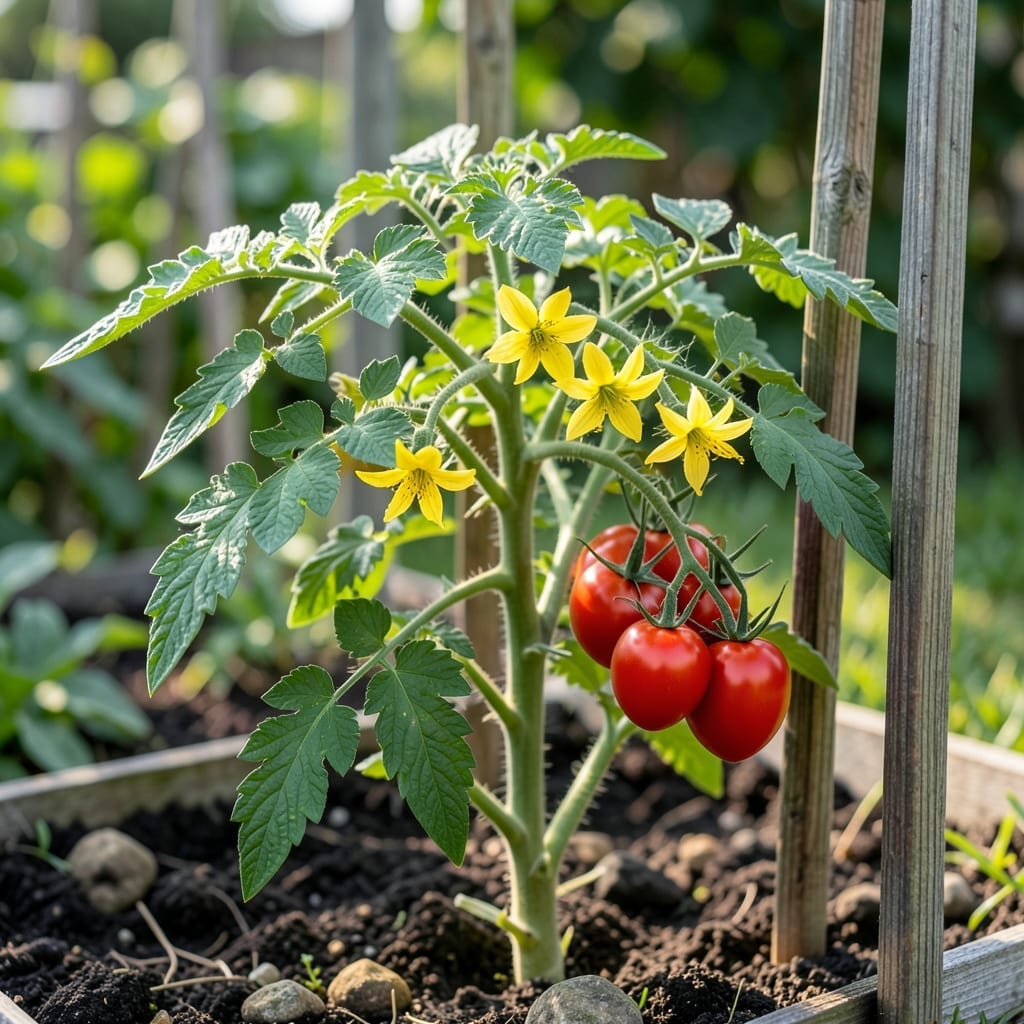
Yellow leaves, wilted stems, or mysterious spots on your tomato plants? I’ve been there—staring at my garden, wondering what went wrong. The good news is most issues have simple fixes once you know what to look for.
Tomatoes are tough, but they do need consistent watering, the right nutrients, and protection from pests. I learned the hard way that overwatering causes just as many problems as drought, and too much nitrogen gives you leafy plants with no fruit.
By the time you finish this, you’ll spot trouble early—before it spreads. A few adjustments to your routine can turn struggling plants into vibrant, productive ones that reward you with a bumper crop.
Works for garden beds, containers, or even patio pots. Let’s get your tomatoes back on track.
Understanding the root causes of tomato plant issues helps you address them effectively. Here are the most common culprits:
Extreme temperatures, inconsistent watering, or poor light conditions can stress your tomato plants. Heat above 90°F (32°C) can cause blossom drop, while cold snaps below 50°F (10°C) stunt growth. Inconsistent moisture leads to cracking or blossom end rot due to calcium uptake disruption.
Aphids, whiteflies, and hornworms sap nutrients, weaken plants, and spread diseases. Aphids excrete honeydew, promoting sooty mold, while hornworms defoliate plants rapidly. Early detection and organic pesticides (like neem oil) can mitigate damage.
Pathogens like early blight (Alternaria solani) or late blight (Phytophthora infestans) thrive in wet, humid conditions. Overhead watering and poor air circulation exacerbate these issues. Bacterial spot (Xanthomonas) causes leaf lesions, reducing photosynthesis.
Lack of calcium causes blossom end rot, while nitrogen deficiency leads to yellowing leaves (chlorosis). Potassium shortages result in weak stems and poor fruit development. A balanced fertilizer (e.g., 10-10-10) can correct imbalances.
Compacted or waterlogged soil restricts root growth, leading to stunted plants. pH levels outside 6.0–6.8 hinder nutrient absorption. Amending soil with compost and ensuring proper drainage can prevent these issues.
When your tomato plants start showing signs of trouble, quick and targeted solutions can save your harvest. Here’s how to tackle the most common problems with practical fixes and prevention tips.
Fix: Test soil pH (ideal range: 6.0–6.8). If too alkaline, amend with sulfur or peat moss. For nutrient deficiencies, use a balanced fertilizer (10-10-10) or add compost. Overwatering? Let the soil dry slightly between waterings.
Prevention: 💡 Mulch with straw to retain moisture and prevent soil splashing, which can spread disease. Rotate crops yearly to avoid nutrient depletion.
Fix: For aphids or whiteflies, spray plants with a mix of water and mild soap (1 tsp per quart). Introduce beneficial insects like ladybugs. For hornworms, handpick them off and drop them into soapy water.
Prevention: 🎯 Use row covers early in the season. Plant companion herbs like basil or marigolds to deter pests naturally.
Fix: Correct calcium deficiency by adding crushed eggshells to the soil or using a calcium-rich foliar spray. Ensure consistent watering—fluctuations cause this issue.
Prevention: ✨ Maintain even soil moisture with drip irrigation. Avoid high-nitrogen fertilizers, which can hinder calcium uptake.
Fix: Check for fungal diseases like fusarium or verticillium wilt. Remove affected plants and solarize the soil (cover with clear plastic for 4–6 weeks) to kill pathogens. For bacterial wilt, prune infected stems and improve airflow.
Prevention: 🌡️ Choose disease-resistant tomato varieties. Avoid overhead watering to keep foliage dry.
Fix: If roots are bound, transplant to a larger container or loosen the soil. For poor soil, mix in aged compost. If light is the issue, move plants to a sunnier spot (6–8 hours of direct sunlight daily).
Prevention: 🔥 Start seeds in well-draining soil and thin seedlings to prevent competition. Use a slow-release fertilizer at planting.
Yellow leaves often indicate overwatering or nutrient deficiencies. Test soil pH and adjust to 6.0–6.8. Use a balanced fertilizer and let soil dry slightly between waterings.
Encourage beneficial insects like ladybugs. Plant companion herbs like basil or marigolds. Use row covers early in the season for added protection.
Blossom end rot results from calcium deficiency and inconsistent watering. Add crushed eggshells to soil and use drip irrigation to maintain even moisture.
Yes, if caught early. Check for fungal diseases and improve airflow. Remove affected parts and avoid overhead watering to prevent spreading.