
Beautiful Plants For Your Interior
Beautiful Plants For Your Interior
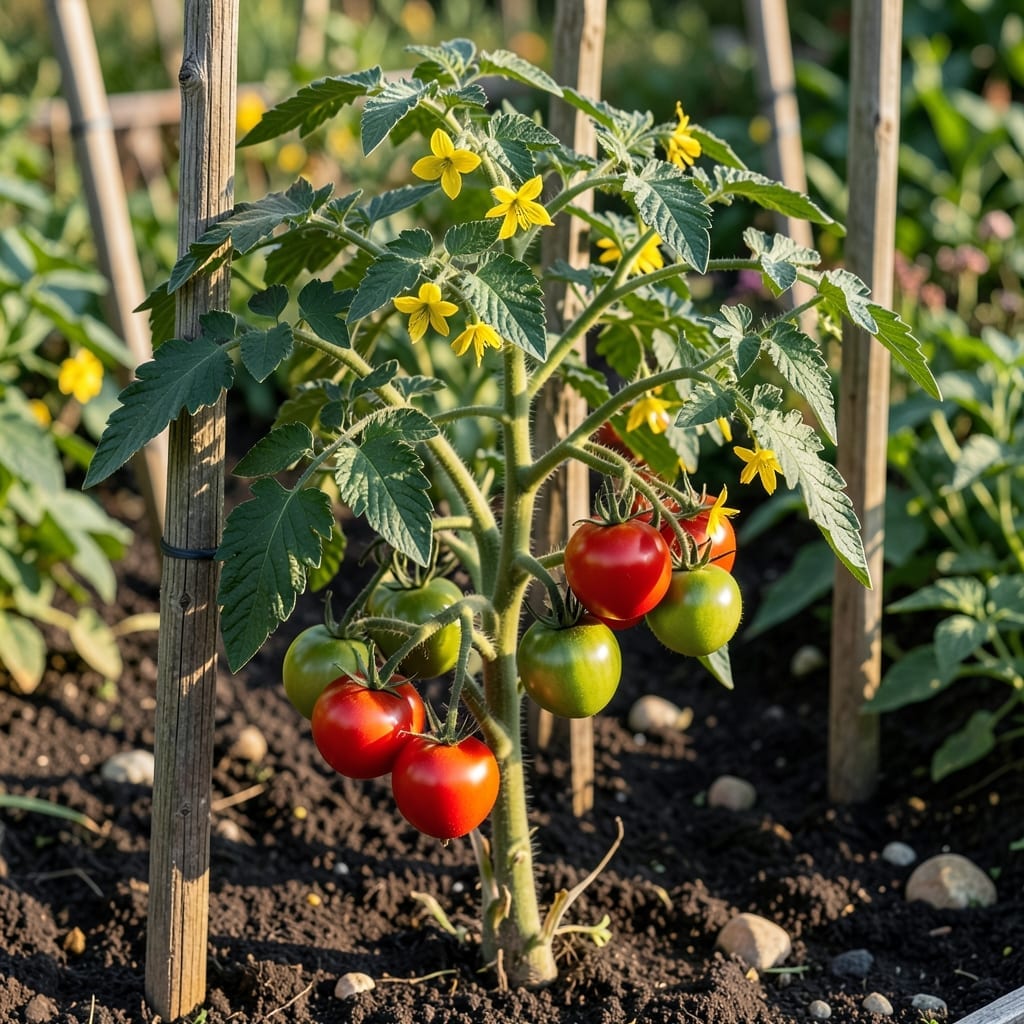
My tomato plants looked sad last week—stems drooping like they’d given up. 🌱 Turns out, it wasn’t disease or pests causing the curl, but something much simpler to fix.
Here’s the thing—tomatoes are dramatic about water. Too much, and they sag. Too little, and they curl upward. The downward spiral usually means overwatering or poor drainage, which suffocates the roots.
I adjusted my routine to water only when the top 2 inches of soil felt dry, and the stems perked up within days. The key is consistency, not drenching them daily.
Healthy plants start with happy roots. Fix the water, and your tomatoes will stand tall again.
Tomato plant stems curling downward can signal several underlying issues. Understanding the root causes helps you address the problem effectively and restore your plant’s health. Here are the most common reasons:
Excessive watering or poorly draining soil can lead to root rot, which restricts the plant’s ability to absorb nutrients. When roots suffocate, the stems may curl downward as the plant struggles to maintain turgor pressure (the internal pressure that keeps stems rigid). Check soil moisture—if it feels soggy or smells foul, reduce watering and improve drainage by adding perlite or sand to the soil mix.
High temperatures or inconsistent watering can cause temporary wilting, where stems curl to conserve moisture. Tomato plants need consistent hydration—1–2 inches of water per week—especially during fruiting. Mulching around the base helps retain soil moisture and regulate temperature. If heat is extreme, provide afternoon shade to prevent stress.
Sap-sucking pests like aphids, whiteflies, or spider mites weaken stems by draining essential fluids, leading to curling. Inspect the undersides of leaves for tiny insects or sticky residue (honeydew). Treat infestations with neem oil or insecticidal soap, and encourage natural predators like ladybugs.
Diseases such as tomato yellow leaf curl virus (TYLCV) or fusarium wilt can cause stems to curl downward as the plant’s vascular system is compromised. Viral infections often spread via whiteflies, while fungal issues thrive in wet conditions. Remove infected plants to prevent spread, rotate crops, and use fungicides or resistant varieties for prevention.
A lack of calcium, magnesium, or potassium can lead to weak stem growth and curling. Calcium deficiency, for example, causes blossom end rot and stunted growth. Test your soil and amend with compost, Epsom salt (for magnesium), or a balanced fertilizer to restore nutrient balance.
Here’s how to tackle curling tomato stems based on the root cause, with simple fixes and prevention tips to keep your plants thriving.
If soggy soil is the culprit, stop watering immediately and let the top 1–2 inches of soil dry out. Improve drainage by:
Revive wilting, curled stems by deep watering at the base (avoid wetting leaves). Mulch with straw to retain moisture and shield roots from heat. For extreme heat, add shade cloth during peak afternoon hours.
Prevention tip: ✨ Water early in the morning and aim for 1–1.5 inches per week, adjusting for rainfall.
Check undersides of leaves for aphids, whiteflies, or spider mites. Blast them off with a strong water spray, then apply insecticidal soap or neem oil (follow label instructions). For severe cases, prune heavily infested stems.
Prevention tip: 🎯 Introduce beneficial insects like ladybugs or use reflective mulch to deter pests.
Yellowing leaves with curled stems often signal a lack of calcium or magnesium. Amend soil with:
Wind or herbicide drift can cause curling. Shield plants with a windbreak or row cover. If herbicide exposure is suspected, rinse leaves with water and avoid spraying near tomatoes.
Prevention tip: 🌡️ Space plants properly for airflow and avoid chemical treatments on windy days.
Water deeply 2-3 times per week, allowing the top 1-2 inches of soil to dry between waterings. Consistency is key—avoid daily light watering.
Yes, if caught early! Adjust watering, check for pests, and improve growing conditions. Most plants bounce back within 3-5 days once the issue is fixed.
Spray with neem oil or insecticidal soap, focusing on leaf undersides. For severe cases, prune infested stems immediately to stop the spread.
Ensure pots have drainage holes and use well-draining soil. Roots sitting in water will suffocate, leading to downward curling.