
Beautiful Plants For Your Interior
Beautiful Plants For Your Interior
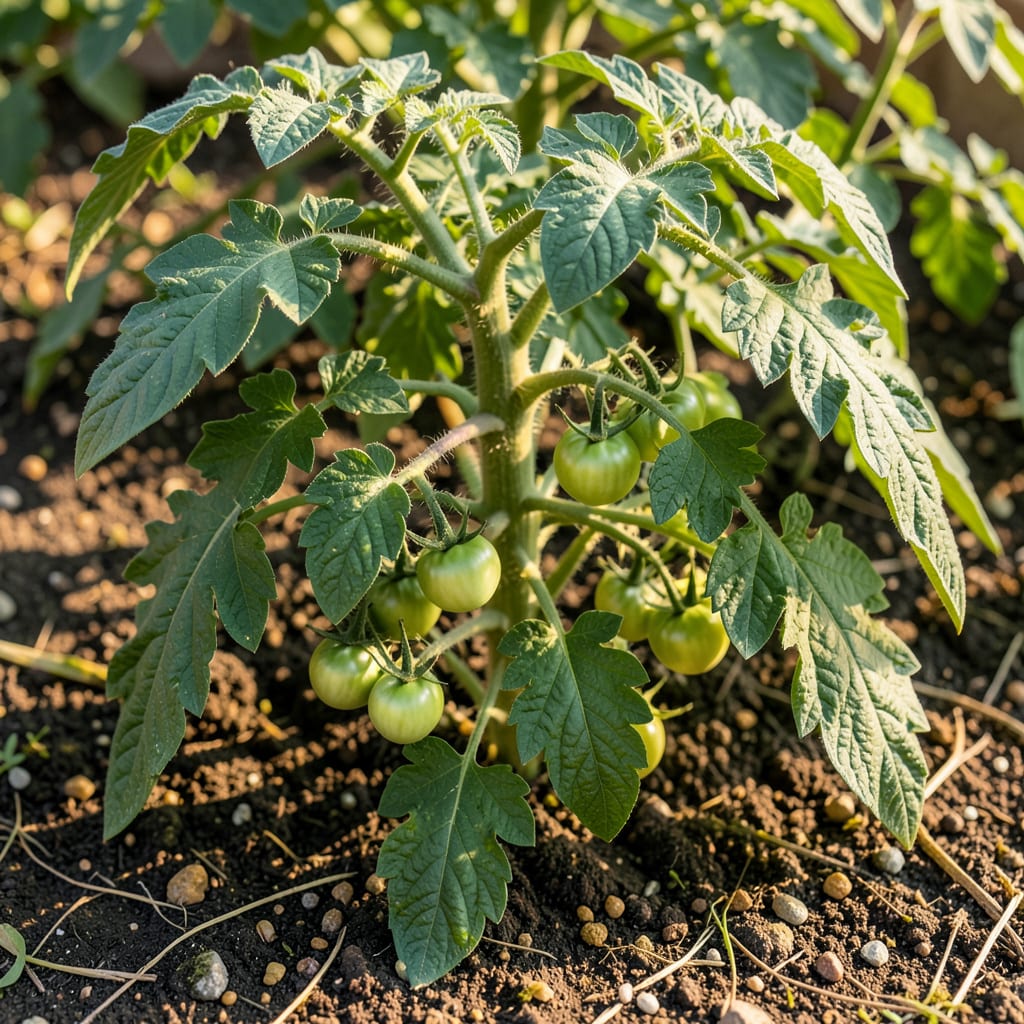
Curled tomato leaves had me stumped my first season. Turns out, it’s rarely just one culprit—overwatering, heat stress, or even a sneaky virus could be the cause.
I’ve learned to check the basics first: soil moisture, recent weather shifts, and any pest activity. Nine times out of ten, it’s an environmental issue we can fix with a few adjustments to watering or shade.
Viral infections show different patterns, like mottling or stunted growth. The good news? They’re preventable with clean tools and resistant varieties.
Here’s how to play plant detective and get your tomatoes back on track.
Tomato leaves curling downward can stem from several underlying issues, often tied to environmental stress or disease. Here’s a breakdown of the most common causes:
High temperatures (above 90°F/32°C) or inconsistent watering can trigger heat stress, causing leaves to curl downward to reduce surface area and conserve moisture. Tomatoes need 1–2 inches of water per week, preferably in the morning to prevent rapid evaporation.
Excess water suffocates roots, disrupting nutrient uptake and leading to edema—swollen cells that distort leaf shape. Ensure pots have drainage holes, and avoid waterlogging by using well-draining soil mixes with perlite or sand.
Aphids, whiteflies, and spider mites suck sap from leaves, causing hydraulic pressure loss and downward curling. Inspect leaf undersides for pests or sticky residue (honeydew). Blast them off with water or apply neem oil for control.
Viruses like Tomato Yellow Leaf Curl Virus (TYLCV) disrupt cellular function, leading to stunted growth and curled leaves. Infected plants often show yellowing or mottling. Remove and destroy affected plants to prevent spread via whiteflies.
Excess nitrogen promotes lush foliage at the expense of structural integrity, while magnesium or calcium deficiencies weaken cell walls. Test soil and amend with compost or Epsom salt (for magnesium) as needed.
Here’s how to address the most common causes of downward-curling tomato leaves, with actionable fixes and prevention tips to keep your plants thriving.
Fix: Water deeply at the base of the plant in the early morning to reduce evaporation. Use mulch (straw or wood chips) to retain moisture and regulate soil temperature. If temperatures exceed 90°F (32°C), provide shade cloth during peak afternoon hours.
Prevent: Maintain consistent soil moisture—aim for 1–1.5 inches of water per week. 💡 Pro tip: Drip irrigation is more efficient than overhead watering.
Fix: Check soil moisture 2 inches deep—if soggy, halt watering and improve drainage by amending soil with compost or perlite. For potted tomatoes, ensure containers have drainage holes.
Prevent: Use well-draining soil mixes and water only when the top inch of soil feels dry. Avoid letting plants sit in saucers of standing water.
Fix: Spray leaves with a neem oil or insecticidal soap solution, focusing on the undersides where pests hide. For severe cases, introduce beneficial insects like ladybugs or lacewings.
Prevent: Inspect plants weekly for early signs of pests. 🎯 Pro tip: Companion planting with basil or marigolds can deter pests naturally.
Fix: Remove and destroy infected plants immediately to prevent spread. Disinfect pruning tools with rubbing alcohol between cuts. Control whitefly populations, as they often transmit viruses.
Prevent: Use virus-resistant tomato varieties (look for labels like “TYLCV-resistant”). Rotate crops yearly and avoid planting tomatoes in the same spot repeatedly.
Fix: Flush the soil with water to leach out excess salts from fertilizers. Switch to a balanced, slow-release fertilizer and follow package instructions carefully.
Prevent: Test soil before fertilizing. ✨ Pro tip: Organic options like compost or worm castings provide gentle, steady nutrients.
No, it’s often just stress from heat or uneven watering. Check soil moisture first—1–2 inches per week is ideal.
Yes, too much nitrogen leads to rapid, weak growth. Switch to a balanced fertilizer and flush soil with water if needed.
Look under leaves for aphids or whiteflies. Sticky residue or speckling confirms their presence. Use neem oil for control.
