
Beautiful Plants For Your Interior
Beautiful Plants For Your Interior
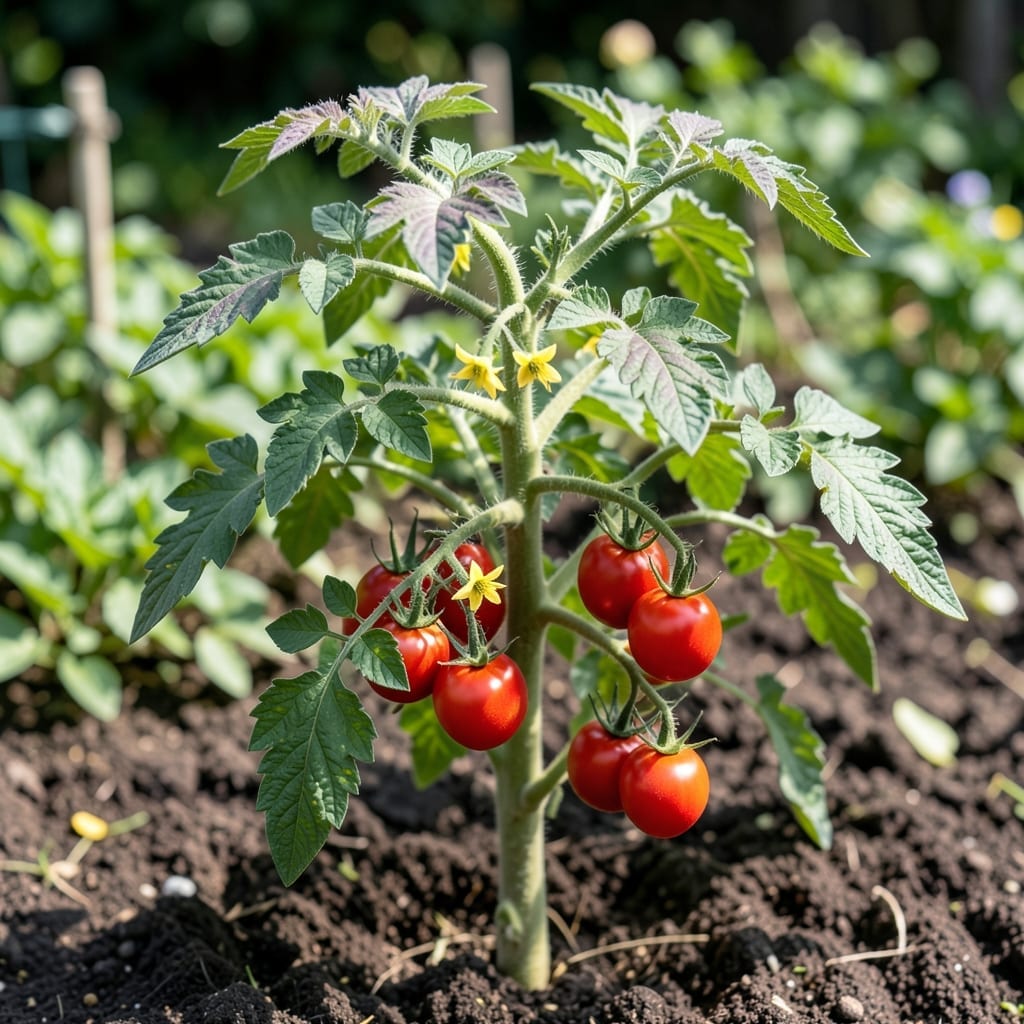
Purple tomato leaves caught me off guard last season. Turns out, it’s often a phosphorus deficiency screaming for attention—especially in cool soil or early spring.
I fixed mine in 48 hours with a simple soil amendment and warmer growing conditions. The leaves greened up fast, and the plants bounced back stronger than before.
You’ll spot the change first on older leaves, then new growth if left untreated. The good news? This is one of the easier tomato problems to reverse.
Works for container and in-ground plants alike. Here’s exactly what to do and how to prevent it next time.
Tomato plant leaves turning purple is often a sign of underlying stress, and the most common causes are tied to nutrient imbalances or environmental factors. Here’s a breakdown of the primary culprits:
The leading cause of purple leaves in tomatoes is phosphorus deficiency. Phosphorus is vital for energy transfer and root development. When soil pH is too high (alkaline) or temperatures drop below 50°F (10°C), phosphorus becomes less soluble, restricting uptake. Leaves often turn dark green to purplish, starting with older foliage.
Chilly nights or prolonged cool weather slow down metabolic processes, including phosphorus absorption. Even with adequate soil phosphorus, cold roots struggle to take it up, leading to purple discoloration, especially on leaf undersides and stems.
Excess moisture or compacted soil limits root respiration and nutrient uptake. Waterlogged roots can’t absorb phosphorus efficiently, mimicking deficiency symptoms. Check for yellowing lower leaves alongside purple veins as a telltale sign.
Tomatoes thrive in slightly acidic soil (pH 6.0–6.8). If your soil pH skews above 7.5, phosphorus and other micronutrients (like iron) become locked out. A soil test can confirm if amending with sulfur or organic matter is needed to restore balance.
If your tomato plant’s leaves are turning purple, act fast with these targeted fixes. Each solution addresses a specific cause, so start with the most likely culprit based on your plant’s conditions.
Boost phosphorus levels by amending the soil with bone meal or a high-phosphorus fertilizer (look for an NPK ratio like 5-10-5). Mix it into the top 2-3 inches of soil near the roots, then water deeply. For a quick foliar fix, dilute liquid phosphorus in water and spray directly on leaves.
Prevention tip: 💡 Test soil before planting. Aim for a pH of 6.0–7.0, as phosphorus becomes less available outside this range.
Move potted plants indoors or cover garden plants with frost cloth or row covers during cold snaps. If temperatures drop below 50°F (10°C), consider using a heat lamp or cloche to retain warmth. Avoid watering plants in the evening to prevent overnight chilling.
Prevention tip: 🌡️ Start seedlings indoors in early spring and transplant only after the last frost date.
Let the soil dry slightly between waterings—stick your finger 1-2 inches deep to check moisture. If the soil stays soggy, improve drainage by mixing in perlite or compost. For container plants, ensure pots have drainage holes and elevate them to prevent waterlogging.
Prevention tip: ✨ Use a well-draining potting mix and water in the morning to allow excess moisture to evaporate.
Excess nitrogen can block phosphorus uptake. Switch to a balanced fertilizer (e.g., 10-10-10) and reduce high-nitrogen feeds like fresh manure. If you’ve recently fertilized, flush the soil with water to remove excess salts.
Prevention tip: 🎯 Rotate crops yearly and avoid over-fertilizing. Organic matter like compost helps maintain nutrient balance.
Yes, if you address the issue quickly. With proper phosphorus supplements or warmer soil, new growth will be green while affected leaves may stay purplish.
Use a soil thermometer at 2-3 inches deep in the morning. Ideal tomato root zone temperature is 60-70°F. Below 50°F slows nutrient uptake.
Too much nitrogen creates imbalances that block phosphorus absorption. Switch to a balanced fertilizer and flush soil if needed.
With quick fixes like foliar sprays, you may notice changes in 2-3 days. Soil amendments take 1-2 weeks to show results.