
Beautiful Plants For Your Interior
Beautiful Plants For Your Interior
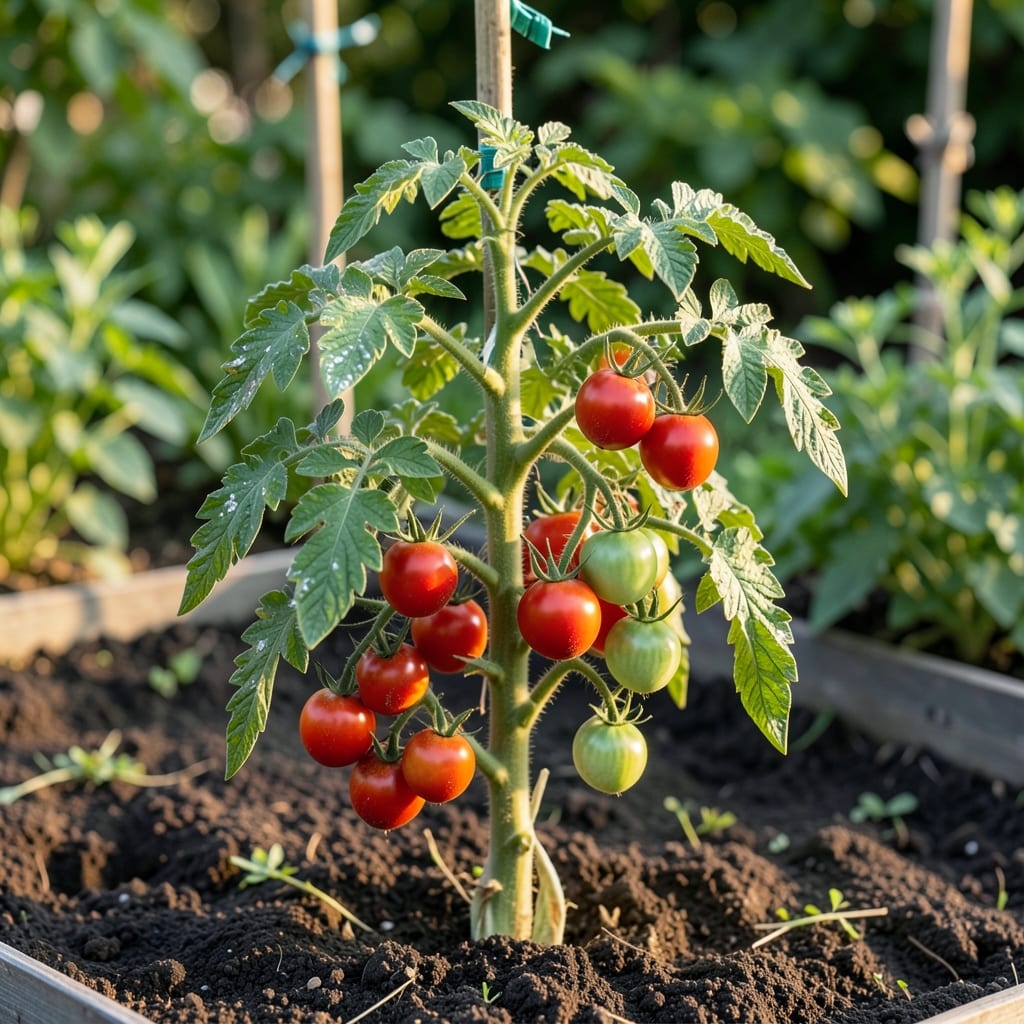
White leaves on your tomato plants aren’t just unsightly—they’re a cry for help. I’ve learned the hard way that this usually signals a nutrient deficiency, sunburn, or fungal issue taking hold.
Between you and me, most cases come down to magnesium deficiency or powdery mildew. Both are fixable, but you need to act fast before the plant’s health spirals.
The good news? Solutions are simple: adjust your feeding schedule, improve airflow, or provide shade. Your tomatoes can bounce back in a week with the right care.
Prevention is even easier. Regular checks and a consistent watering routine keep these problems from cropping up in the first place.
When your tomato plant leaves start losing their green color and turning white, it’s usually a sign of stress or a specific deficiency. Here’s a breakdown of the most common causes:
White leaves often indicate a lack of essential nutrients, particularly magnesium or iron. Magnesium deficiency causes interveinal chlorosis (white or yellow patches between veins), while iron deficiency leads to uniform pale or white new growth. Both are critical for chlorophyll production, the pigment responsible for green color.
Tomatoes love sunlight, but too much direct, intense light—especially in hot climates—can bleach leaves. This happens when the plant’s chlorophyll breaks down under excessive UV exposure, leading to white or translucent patches on the most exposed leaves.
Soggy roots suffocate the plant, preventing it from absorbing nutrients like nitrogen and magnesium. This often results in pale, white-tinged leaves, especially in lower foliage. Poor drainage exacerbates the problem by creating waterlogged soil conditions.
Diseases like powdery mildew or downy mildew can cause white, powdery coatings or patches on leaves. These fungi disrupt photosynthesis and weaken the plant, often spreading quickly if left untreated.
Overuse of pesticides, herbicides, or even foliar sprays can burn or bleach leaves. Harsh chemicals disrupt cell function, leading to discoloration—sometimes within hours of application.
When your tomato plant’s leaves start turning white, quick action can save your crop. Below are targeted fixes for the most common causes, along with prevention tips to keep your plants thriving.
If the white coating looks like powder, it’s likely powdery mildew. Spray affected leaves with a mix of 1 tablespoon baking soda + 1 teaspoon dish soap + 1 gallon of water. Apply weekly until the issue clears. Prevention tip: 💡 Improve airflow by spacing plants properly and watering at the base to keep leaves dry.
Bleached or crispy white patches often mean sunburn. Shield plants with 30-40% shade cloth during peak afternoon hours. For potted tomatoes, move them to a less intense spot. Prevention tip: ✨ Harden off seedlings gradually before transplanting to avoid shock.
Yellow-white leaves may signal a magnesium or iron deficiency. Add Epsom salt (1 tablespoon per gallon of water) for magnesium, or use a chelated iron supplement for iron issues. Prevention tip: 🎯 Test soil annually and amend with compost to maintain balanced nutrients.
Whitefly or spider mite damage can cause stippling or white webbing. Blast pests off with water, then apply neem oil or insecticidal soap every 5-7 days. Prevention tip: 🌿 Introduce beneficial insects like ladybugs to keep pest populations in check.
Powdery mildew looks like white powder dusted on leaves, often on the top surface. Sunburn shows as bleached, crispy patches on the most exposed leaves.
Epsom salt helps with magnesium deficiency but won’t fix sunburn, pests, or fungal infections. Test with 1 tablespoon per gallon first to confirm improvement.
If only the oldest leaves are white, the plant may recover. When all leaves are white, it often means irreversible damage. Focus on prevention for remaining healthy plants.
With proper treatment, new growth should appear green within 7-14 days. Damaged leaves won’t recover, but the plant will produce healthy ones.