
Beautiful Plants For Your Interior
Beautiful Plants For Your Interior
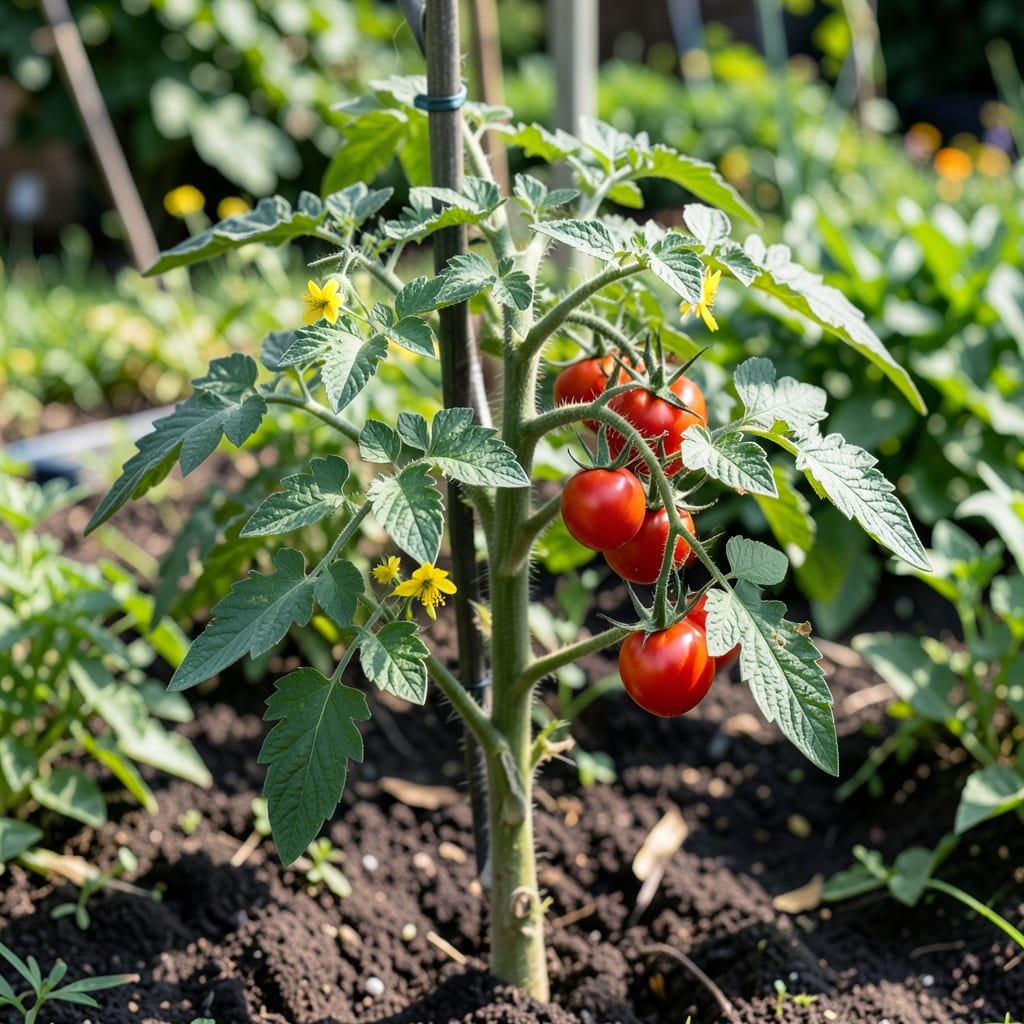
My tomato leaves started curling downward last season, and I panicked. Turns out, it’s often a simple fix—overwatering, too much wind, or even inconsistent moisture can trigger this reaction.
Checking soil with my finger before watering saved my plants. Most cases improve within 24-48 hours once you adjust care. Don’t assume pests or disease right away—environmental stress is the usual culprit.
You’ll spot the difference between stress curls and disease curls with a close look. Stress curls are uniform, while disease often causes spotting or discoloration first.
Prevention is easier than cure. Consistent watering, wind protection, and proper pruning keep leaves healthy all season.
Tomato plant leaves curling downward is often a sign of stress or environmental imbalance. Below are the most common causes, explained with scientific clarity and actionable insights.
High temperatures (above 90°F/32°C) can cause leaves to curl downward as a protective mechanism to reduce surface area and minimize water loss. Transpiration—the process of water evaporation from leaves—accelerates in heat, leading to dehydration. Ensure consistent moisture levels in the soil and provide afternoon shade in extreme heat.
Excess water suffocates roots, preventing oxygen uptake and leading to root rot. This stress triggers leaf curling as the plant struggles to absorb nutrients. Use well-draining soil and water only when the top 1-2 inches are dry. Raised beds or containers can improve drainage.
Sap-sucking pests like aphids, whiteflies, or spider mites drain plant fluids, causing leaves to curl and deform. Check the undersides of leaves for tiny insects or webbing. Introduce beneficial insects (e.g., ladybugs) or use neem oil for organic control.
Diseases like tomato yellow leaf curl virus (TYLCV) or fungal pathogens (e.g., Fusarium wilt) disrupt cellular function, leading to curled, yellowing leaves. Remove infected plants immediately to prevent spread. Use disease-resistant varieties and rotate crops annually.
Exposure to 2,4-D or other broadleaf herbicides can cause hormonal imbalances in tomato plants, resulting in twisted, downward-curling leaves. Avoid spraying herbicides near tomato patches and rinse plants if accidental exposure occurs.
When your tomato plant’s leaves start curling downward, act fast to revive its health. Below are targeted fixes for the most common causes, paired with prevention tips to keep your plants thriving.
Fix: Let the soil dry out slightly between waterings. If the pot lacks drainage holes, repot the plant immediately into a container with proper drainage. For garden beds, improve soil structure by mixing in compost or sand to enhance drainage.
Prevention: Water deeply but infrequently—about 1-2 inches per week, depending on weather. Use a moisture meter to check soil dampness before watering again. 💡 Pro tip: Morning watering reduces evaporation and fungal risks.
Fix: Shield plants from extreme heat or wind by using shade cloth or moving potted tomatoes to a sheltered spot. If cold nights are the issue, cover plants with frost blankets or cloches.
Prevention: Plant tomatoes in a location with consistent temperatures (65–85°F). Mulch around the base to retain moisture and regulate soil temperature. 🌡️ Aim for stable conditions to avoid stress-induced curling.
Fix: Inspect the undersides of leaves for aphids, whiteflies, or spider mites. Blast them off with a strong stream of water, or apply insecticidal soap or neem oil. For severe cases, introduce beneficial insects like ladybugs.
Prevention: Encourage natural predators by planting companion flowers like marigolds or basil. Regularly check plants for early signs of pests. ✨ Healthy plants resist pests better—prioritize balanced fertilization.
Fix: Test your soil to identify missing nutrients. For nitrogen deficiency (pale, curling leaves), apply a balanced fertilizer. Magnesium deficiency (yellowing between veins) can be fixed with Epsom salt spray (1 tablespoon per gallon of water).
Prevention: Amend soil with compost before planting and use a slow-release fertilizer during the growing season. 🎯 Rotate crops yearly to prevent nutrient depletion.
Most plants show improvement within 24-48 hours after fixing the issue. Environmental stress cases often bounce back fastest, while pest or disease problems may take longer.
Only prune leaves that are severely damaged or diseased. Mildly curled leaves will often recover on their own once the underlying problem is addressed.
Yes, over-fertilizing can lead to salt buildup in soil, stressing the plant. Always follow package instructions and avoid applying fertilizer to dry soil.
The plant may still produce, but yield could be reduced. Addressing the issue quickly gives the best chance for a normal harvest.