
Beautiful Plants For Your Interior
Beautiful Plants For Your Interior
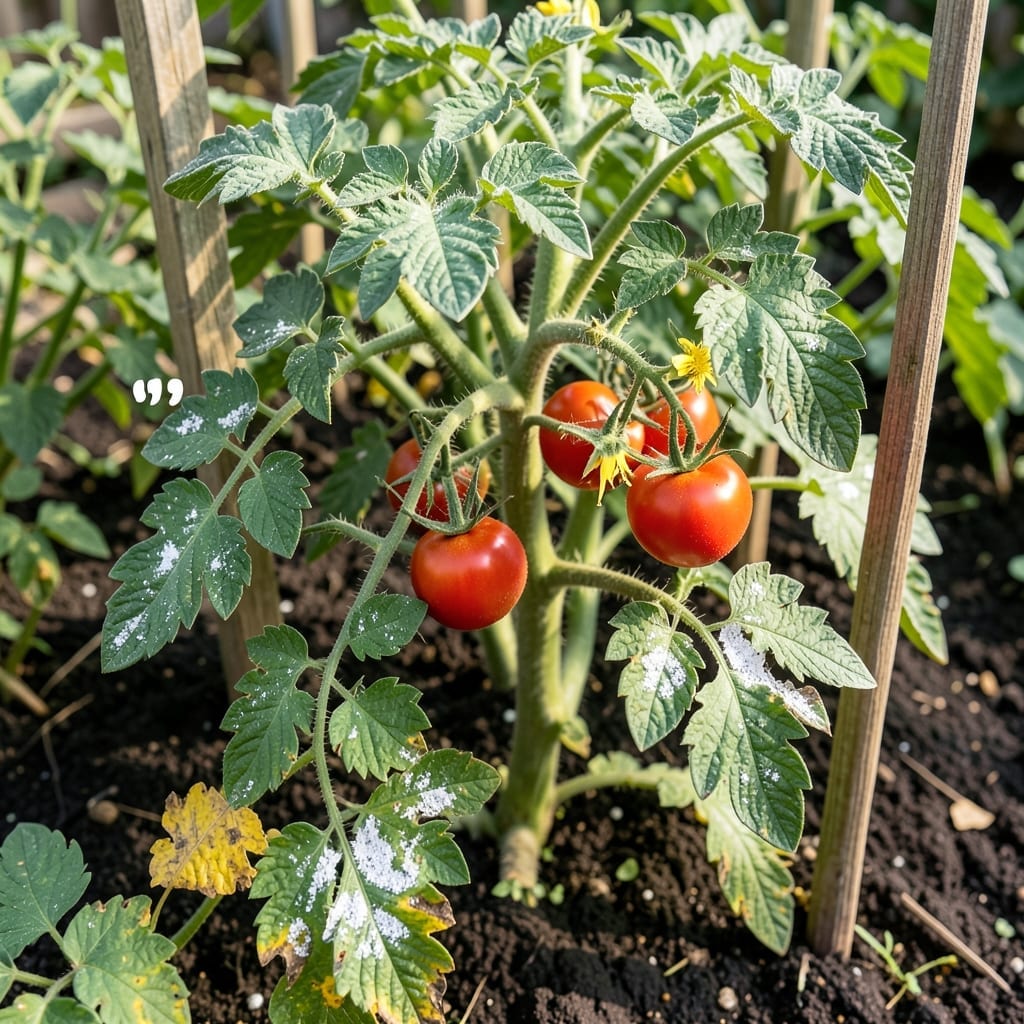
Spotted leaves and wilting stems usually mean trouble. 🌱 I’ve lost entire tomato crops to fungus before learning how to spot early signs and stop the spread fast.
Early blight, powdery mildew, and other common culprits show up as dark spots, white dust, or yellowing leaves. The key is catching them before they take over your plants.
Natural remedies like copper sprays, baking soda solutions, and neem oil can turn things around. Better yet, prevention with crop rotation and proper spacing keeps them from coming back.
Healthy plants start with smart practices—water at the base, avoid overhead sprinkling, and keep air flowing. Your tomatoes will thank you.
Fungal infections in tomato plants thrive under specific environmental and cultural conditions. Understanding the root causes helps prevent outbreaks before they start. Below are the primary triggers for fungal growth on tomatoes.
Fungi like Phytophthora infestans (late blight) and Alternaria solani (early blight) spread rapidly in damp environments. Excessive rainfall, poor drainage, or overhead watering creates prolonged leaf wetness, which fungi need to germinate and infect. Water at the base of the plant and use drip irrigation to minimize moisture on foliage.
Stagnant air traps humidity around tomato leaves, fostering fungal spores. Crowded plantings or dense canopies restrict airflow, especially in greenhouse settings. Prune lower leaves and space plants 18–24 inches apart to improve ventilation. Staking or trellising also keeps foliage off the ground, reducing spore contact.
Fungal pathogens such as Fusarium and Verticillium can linger in soil or on gardening tools for years. Reusing infected soil or unsterilized pruners spreads spores to healthy plants. Rotate crops annually and disinfect tools with a 10% bleach solution (1 part bleach to 9 parts water) between uses.
Some tomato cultivars lack genetic resistance to common fungi. Heirloom varieties, while flavorful, are often more vulnerable than hybrid types bred for disease resistance. Choose resistant varieties labeled with codes like _VFN_ (Verticillium, Fusarium, Nematode) or _LF_ (Late Blight) for added protection.
Fungal issues on your tomato plants can be frustrating, but they’re often manageable with the right approach. Below are targeted solutions for common tomato plant fungi, along with prevention tips to keep your garden thriving.
If you notice brown spots with concentric rings on lower leaves, it’s likely early blight. Prune infected leaves immediately and discard them in the trash (not compost). Apply a copper-based fungicide or a baking soda spray (1 tbsp baking soda + 1 tsp dish soap + 1 gallon water) every 7–10 days. Prevention tip 💡: Space plants 18–24 inches apart for airflow and water at the base to avoid wetting leaves.
Late blight causes dark, greasy spots on leaves and fruit. Remove infected plants entirely to prevent spread. Treat remaining plants with neem oil or a potassium bicarbonate spray. Prevention tip ✨: Rotate crops yearly and avoid overhead watering. Choose resistant varieties like ‘Mountain Merit’ or ‘Defiant’.
White, powdery patches on leaves signal this fungus. Mix 1 part milk to 9 parts water and spray weekly—it’s surprisingly effective! Ensure good airflow and reduce humidity. Prevention tip 🌡️: Plant in full sun and thin out dense foliage.
Yellowing leaves and wilting may indicate root rot from overly wet soil. Stop watering immediately and amend soil with compost or perlite to improve drainage. Prevention tip 🎯: Use raised beds or containers if your soil is heavy clay.
Consistency is key—monitor plants regularly and act at the first sign of trouble. Healthy soil and good air circulation are your best defenses!
Early blight shows as brown spots with concentric rings on lower leaves. Powdery mildew appears as white, dusty patches. Late blight creates dark, greasy-looking spots on leaves and fruit.
Stop watering immediately and improve drainage with compost or perlite. If the roots are mushy and black, it’s often too late. Prevention is key—use raised beds for heavy clay soil.
For most natural remedies like copper spray or baking soda solution, reapply every 7–10 days or after rain. Always follow the product’s instructions for chemical options.