
Beautiful Plants For Your Interior
Beautiful Plants For Your Interior
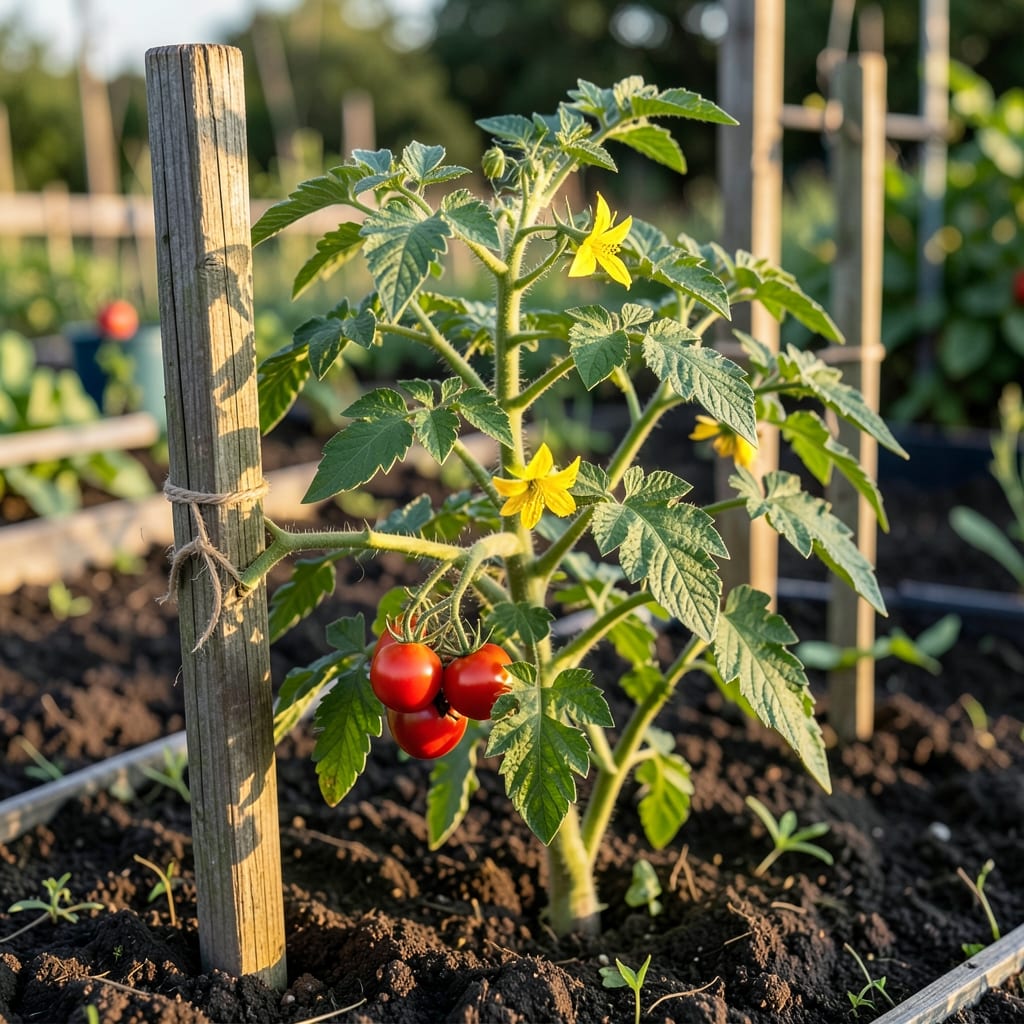
Nothing sinks a gardener’s spirit like seeing tomato branches twist into sad little hooks. I’ve watched this happen mid-season and it always sends me straight to the soil to check for clues.
Most times it’s fixable—too much water, not enough light, or a sneaky pest making itself at home. The plants usually bounce back fast once you pinpoint the issue.
Catching it early means saving your harvest. I keep a journal of symptoms and fixes, and the pattern always points to something simple we can adjust in 24 hours.
Whether you’re growing in containers or raised beds, the solution is usually closer than you think. Let’s straighten out those branches together.
Curling branches on tomato plants often signal underlying stress or disease. Here are the most common reasons:
Excessive heat can cause tomato plant branches to curl as a defense mechanism to reduce leaf surface area and minimize water loss. When temperatures exceed 90°F (32°C), the plant may also wilt or develop leaf roll. Providing afternoon shade or using mulch can help regulate soil temperature.
Inconsistent watering—either too much or too little—can lead to branch curling. Overwatering suffocates roots, while underwatering causes dehydration. Aim for 1-2 inches of water per week, ensuring the soil is moist but well-drained.
Pests like aphids, whiteflies, or spider mites suck sap from branches, causing them to curl and distort. Check the undersides of leaves for tiny insects or sticky residue (honeydew). Treat with insecticidal soap or neem oil for organic control.
Diseases such as Tomato Yellow Leaf Curl Virus (TYLCV) or fungal infections like Fusarium wilt can trigger curling. Infected plants may also show yellowing or stunted growth. Remove affected plants to prevent spread and practice crop rotation.
Curling branches on your tomato plants can be alarming, but these practical fixes will help restore their health. Address the issue quickly to prevent long-term damage.
If the soil feels dry 2 inches down, your plant is likely thirsty. Water deeply at the base until the soil is moist but not soggy. Aim for 1–1.5 inches of water per week, adjusting for heatwaves. Prevention tip: 💡 Use a drip irrigation system or soaker hose to maintain consistent moisture without wetting the leaves.
Yellowing leaves and soggy soil signal overwatering. Stop watering immediately and let the top 2–3 inches of soil dry out. If the plant is in a container, ensure it has drainage holes. For garden beds, mix in compost or perlite to improve drainage. Prevention tip: 🌡️ Stick your finger in the soil—only water when the top layer feels dry.
Aphids, whiteflies, or spider mites can stress plants, causing branches to curl. Blast them off with a strong stream of water, then apply neem oil or insecticidal soap every 3–5 days until they’re gone. For severe cases, introduce beneficial insects like ladybugs. Prevention tip: ✨ Plant companion herbs like basil or marigolds to deter pests naturally.
Too much heat or wind can cause branches to curl as a protective measure. Provide afternoon shade with a shade cloth if temperatures exceed 90°F. In windy areas, stake or cage your plants for support. Prevention tip: 🎯 Mulch around the base to retain moisture and regulate soil temperature.
Fungal or bacterial diseases often cause curling along with spots or discoloration. Prune affected branches with sterilized shears and dispose of them far from the garden. Apply a copper-based fungicide as directed. Prevention tip: 🌱 Avoid overhead watering and space plants properly for airflow.
Check the soil 2 inches down—if it’s bone dry, your plant needs water. Underwatered branches may also feel crispy or brittle to the touch.
Yes, if you address the cause quickly. Most plants bounce back within 24-48 hours once water, heat, or pest issues are fixed. Severe cases may need pruning.
Too much nitrogen leads to rapid, weak growth and curled leaves. Stop fertilizing and flush the soil with water to remove excess nutrients.
Only if they’re diseased or severely damaged. Minor curling from stress often corrects itself. If pests are present, prune affected areas to prevent spread.