
Beautiful Plants For Your Interior
Beautiful Plants For Your Interior
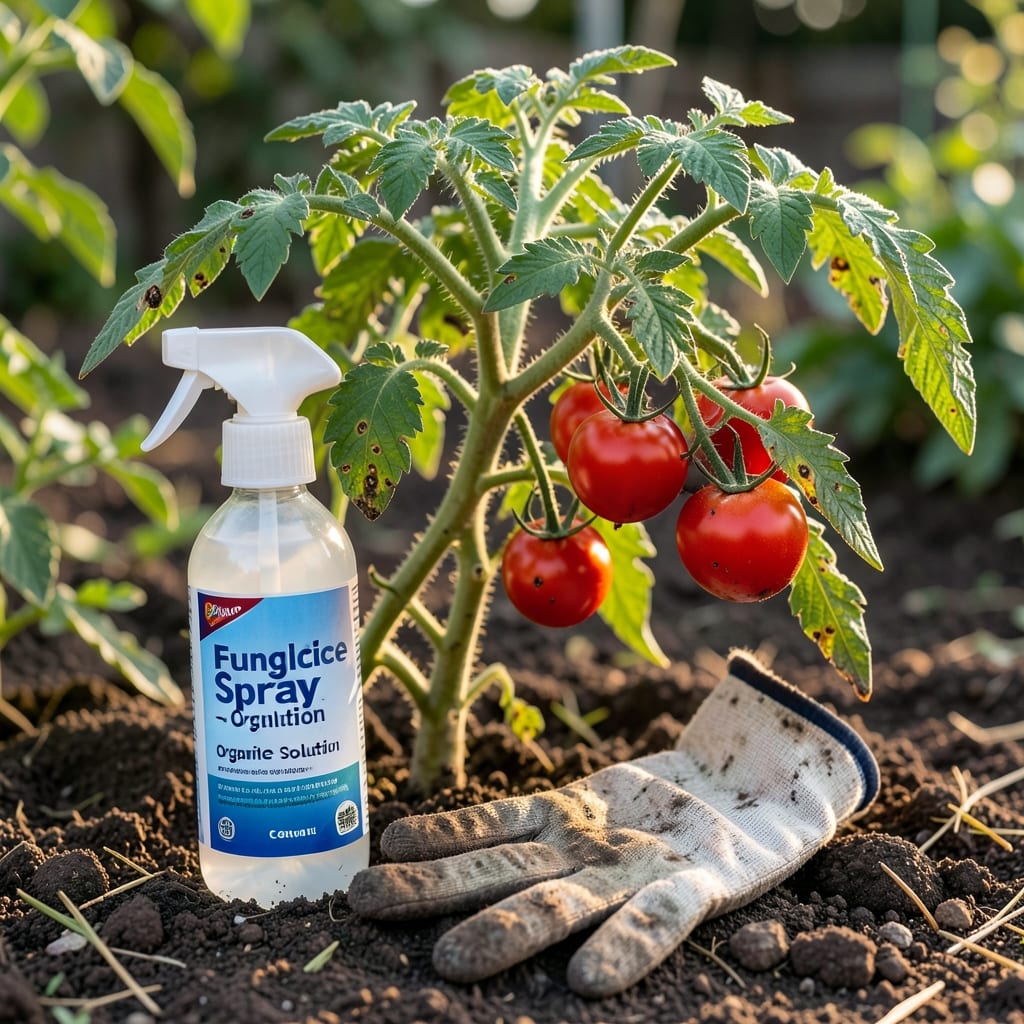
Spotted those dreaded brown patches on your tomato leaves yet? I’ve lost entire crops to fungus before learning these organic fixes that actually work.
Here’s the thing—most fungal issues start with simple mistakes: overhead watering, crowded plants, or wet foliage sitting too long. Fix the conditions, and you prevent half the problems before they start.
My plants now stay vibrant through humid summers with just copper sprays, baking soda mixes, and better airflow. No harsh chemicals, just consistent care.
Works for early blight, powdery mildew, and those mysterious spots that spread overnight. Let’s save your harvest.
Fungal diseases in tomatoes often stem from environmental and biological factors that create the perfect conditions for spores to thrive. Understanding these root causes helps you prevent and treat infections effectively.
Fungi like Early Blight (Alternaria solani) and Late Blight (Phytophthora infestans) flourish in damp, stagnant environments. Overhead watering, high humidity, or crowded plant spacing traps moisture on leaves, encouraging spore germination. Tomatoes need consistent airflow and morning watering to dry foliage quickly.
Warm days (75–85°F) paired with cool, wet nights (50–60°F) accelerate fungal growth. These conditions weaken plant defenses while spurring spore production. Mulching and row covers can stabilize soil temperature and reduce stress.
Fungal pathogens such as Fusarium or Verticillium wilt survive in soil or on gardening tools for years. Infected debris or unsterilized pruners spread spores to healthy plants. Rotate crops and disinfect tools with a 10% bleach solution to break the cycle.
Over-fertilization (especially with nitrogen) promotes lush but soft growth, making tomatoes more susceptible to infections like Powdery Mildew (Oidium neolycopersici). Balanced nutrition (e.g., potassium-rich compost) strengthens cell walls, improving natural resistance.
Fungal infections on tomato plants can be frustrating, but these targeted solutions will help you stop the spread and restore plant health. Address the issue early for the best results.
Fix: Remove infected leaves immediately and apply a copper-based fungicide or a homemade spray of 1 tsp baking soda + 1 quart water + a few drops of dish soap. Spray every 7–10 days until the problem subsides.
Prevention: Space plants for airflow, water at the base (avoid wetting leaves), and rotate crops yearly. 💡 Pro Tip: Mulch with straw to prevent soil splashing onto leaves.
Fix: Mix 1 part milk to 9 parts water and spray on affected areas weekly. The lactobacillus in milk disrupts fungal growth. For severe cases, use neem oil (1 tbsp per gallon of water) as a natural fungicide.
Prevention: Prune dense foliage, avoid overhead watering, and plant resistant varieties like ‘Jasper’ or ‘Defiant’. 🌡️ Pro Tip: Water in the morning so leaves dry quickly in sunlight.
Fix: Remove and destroy infected plants (do not compost). Apply potassium bicarbonate spray (1 tbsp per gallon of water) every 5–7 days. For organic control, Bacillus subtilis (a beneficial bacteria) can suppress spores.
Prevention: Avoid planting tomatoes in the same spot yearly, and remove volunteer tomato plants that may harbor spores. ✨ Pro Tip: Use drip irrigation to keep foliage dry.
Fix: Pick infected fruits immediately and discard them far from the garden. Treat plants with a hydrogen peroxide spray (1 tbsp 3% H₂O₂ per cup of water) to disinfect surfaces.
Prevention: Harvest tomatoes promptly, especially during wet weather. Store picked fruits in a dry, well-ventilated area. 🎯 Pro Tip: Prune lower leaves to improve airflow around fruit clusters.
For most sprays like baking soda or neem oil, apply every 7-10 days or after rain. For severe cases, shorten to every 5-7 days until symptoms improve. Consistency is key to breaking the fungal cycle.
Yes! Mix 1 tsp baking soda with 1 quart water and dish soap, or use 1 part milk to 9 parts water. These are safe, effective options for mild infections.
Common reasons include applying at the wrong time or not covering all surfaces. Always treat in the morning, coat both sides of leaves, and reapply after rain for best results.
With organic options like baking soda or milk sprays, yes—just wash thoroughly. For chemical fungicides, follow label instructions for harvest intervals.