
Beautiful Plants For Your Interior
Beautiful Plants For Your Interior
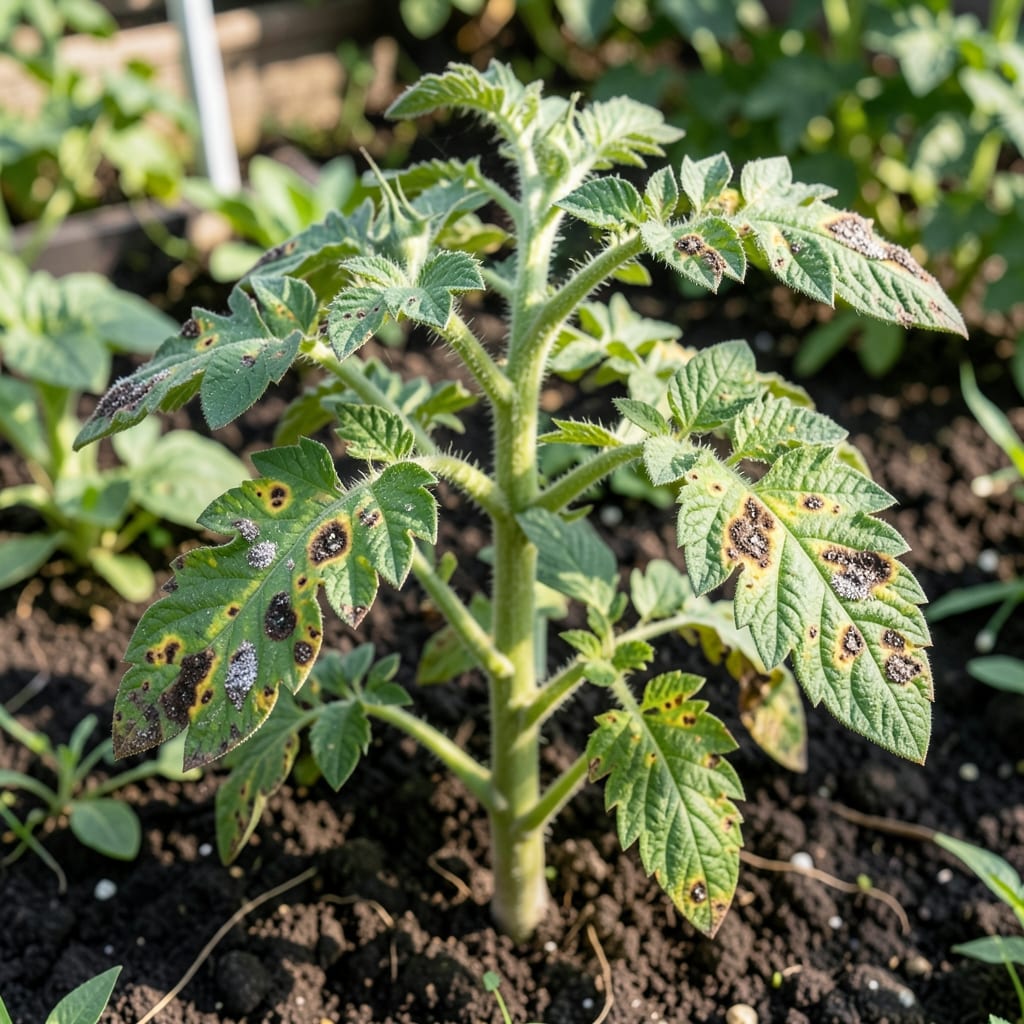
Spotted brown patches on your tomato leaves? I’ve been there—watching healthy plants turn into a fungal free-for-all in days. It’s frustrating, but catching it early makes all the difference.
The usual suspects are early blight, late blight, or powdery mildew, each leaving its own calling card. Early blight starts with dark spots with rings, late blight spreads fast with greasy-looking patches, and mildew coats leaves in a white powder.
Here’s the thing—once you know what you’re dealing with, stopping the spread is simpler than you think. A little pruning, some airflow, and the right treatment can save your crop.
No fancy tools required, just a sharp eye and quick action. Let’s get those plants back on track.
Tomato leaves don’t just develop fungus out of nowhere—specific environmental and cultural factors create the perfect storm for infection. Understanding these triggers helps you prevent outbreaks before they start.
Fungal spores thrive in wet, humid conditions. Overhead watering, prolonged rain, or dense plant spacing traps moisture on leaves, giving pathogens like Alternaria or Septoria a foothold. Actionable fix: Water at the base of plants in the morning, and space tomatoes 18–24 inches apart for airflow.
Warm days (75–85°F) followed by cool, dew-covered nights accelerate spore germination. This is especially true for Early Blight and Powdery Mildew. Actionable fix: Use row covers to moderate temperature extremes and reduce overnight moisture buildup.
Fungal spores can overwinter in soil or hitchhike on unsterilized pruners and stakes. Even healthy-looking plants may harbor pathogens if grown in the same spot as last year’s infected crop. Actionable fix: Rotate crops yearly and disinfect tools with a 10% bleach solution between uses.
Stressed tomatoes—from nutrient deficiencies (e.g., low potassium), over-fertilization, or pest damage—produce thinner cell walls, making leaves more susceptible to invasion. Actionable fix: Test soil and amend with compost or balanced fertilizer to bolster plant health.
Tackling tomato leaf fungus early saves your crop and keeps plants thriving. Below are targeted fixes for common fungal issues, paired with prevention tips to stop them from returning.
Spot concentric rings on lower leaves? Act fast: prune infected leaves at the first sign, using sterilized shears to avoid spreading spores. Dispose of debris in sealed bags—never compost. Follow up with a copper-based fungicide or a DIY mix of 1 tbsp baking soda + 1 quart water + a drop of dish soap, sprayed weekly. 💡 Prevent it: Space plants 2–3 feet apart for airflow, and water at the base to keep leaves dry.
White, powdery patches? Spray leaves with a 1:10 milk-to-water solution (the proteins disrupt fungal growth) or use neem oil (mix 2 tsp per gallon of water). Apply in the morning so leaves dry quickly. 🌡️ Prevent it: Avoid overhead watering, and thin dense foliage to improve air circulation.
Dark, greasy spots with white fuzzy growth underneath? Remove and destroy entire infected plants immediately—this fungus spreads rapidly. For remaining plants, apply chlorothalonil-based fungicide or a potassium bicarbonate spray (1 tbsp per gallon of water). ✨ Prevent it: Rotate crops yearly, and avoid planting tomatoes in the same spot as last season’s potatoes or peppers.
Fungal spots often have dark rings or fuzzy growth, while sunburn appears as dry, papery patches on leaf edges. Fungus spreads over time, but sunburn stays localized.
Yes! A baking soda spray (1 tbsp per quart of water) or milk solution (1:10 ratio) can slow early infections. Reapply after rain.
No. Fungal spores survive composting and can reinfect next year’s plants. Always seal and trash infected material.
Remove infected leaves immediately with sterilized tools, then treat remaining plants with copper fungicide or neem oil. Isolate severely affected plants.