
Beautiful Plants For Your Interior
Beautiful Plants For Your Interior
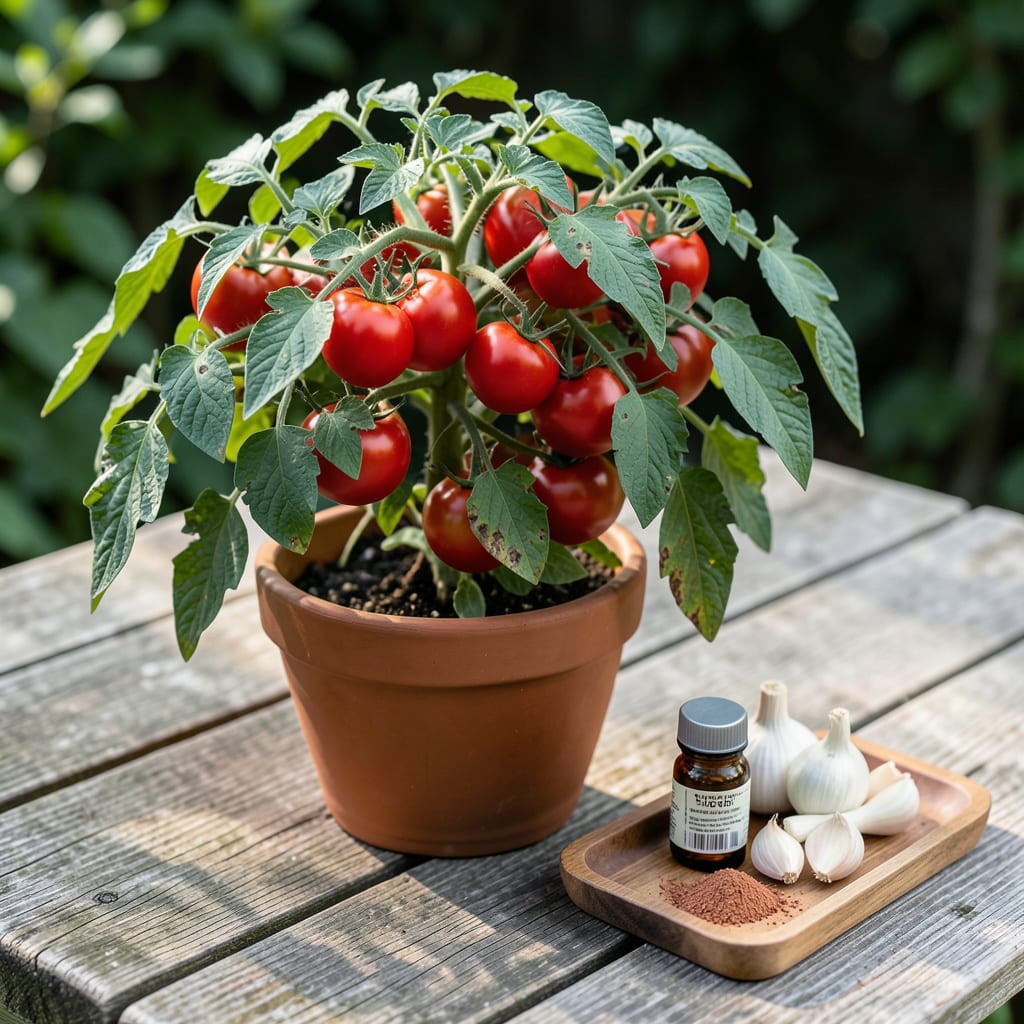
Those brown spots on your tomato leaves aren’t just ugly—they’re a red flag. I’ve lost entire crops to this before learning how to read the signs early. Each pattern tells a different story about what’s attacking your plants.
Fungal infections, hungry pests, or even something as simple as water stress can cause the damage. The good news? Most issues are fixable if you act fast. Early treatment can save your harvest and prevent the problem from spreading to other plants.
You’ll learn to spot the difference between disease, pests, and environmental stress just by looking. Then, we’ll tackle the right solution—whether that’s organic sprays, better watering habits, or adjusting your garden’s conditions.
Works for container gardens, raised beds, or in-ground plants. Let’s get your tomatoes back on track.
Brown spots on tomato leaves often signal underlying issues that disrupt the plant’s health. Below are the most common causes, each with a distinct mechanism:
Pathogens like Alternaria solani (early blight) or Septoria lycopersici thrive in warm, humid conditions. They produce spores that germinate on wet foliage, penetrating leaf tissues and causing circular, concentric brown spots. Overhead watering and poor air circulation exacerbate spread.
Bacteria such as Pseudomonas syringae (bacterial speck) or Xanthomonas spp. enter through wounds or stomata. They multiply within leaf cells, leading to water-soaked lesions that turn brown and crisp. High humidity and splashing water aid bacterial dispersal.
Sap-sucking insects like aphids, whiteflies, or spider mites pierce leaf cells, causing localized necrosis. Their feeding stress weakens the plant, while some pests (e.g., thrips) transmit viruses that trigger secondary spotting. Check undersides of leaves for tiny pests or webbing.
Extreme heat, drought, or nutrient imbalances (e.g., calcium or potassium deficiency) can cause physiological stress. This disrupts cellular function, leading to marginal or interveinal browning. Over-fertilization, particularly with nitrogen, may also scorch leaf edges.
Herbicides, improperly diluted foliar sprays, or even hard water can cause localized chemical burns. These appear as irregular, scorched patches, often concentrated where spray droplets settled. Always test sprays on a small area first.
Addressing brown spots on tomato leaves starts with identifying the root cause. Below are targeted solutions for common issues, along with prevention tips to keep your plants thriving.
Fix: Remove infected leaves immediately and discard them (do not compost). Apply a copper-based fungicide or a homemade mix of 1 tsp baking soda + 1 quart water + a few drops of dish soap. Spray every 7–10 days until symptoms subside.
Prevention: 💡 Improve airflow by pruning dense foliage. Water at the base of the plant (avoid wetting leaves) and use mulch to prevent soil splash.
Fix: Blast pests off with a strong stream of water. For severe infestations, use neem oil or insecticidal soap, applying in the early morning or late evening. Repeat every 3–5 days until pests are gone.
Prevention: 🎯 Encourage natural predators like ladybugs. Regularly inspect the undersides of leaves for early signs of pests.
Fix: Adjust watering to 1–1.5 inches per week (more in extreme heat). If sunburn is the issue, provide temporary shade during peak afternoon hours using shade cloth or a lightweight row cover.
Prevention: ✨ Water deeply but infrequently to encourage strong roots. Use drip irrigation to maintain consistent soil moisture.
Fix: For calcium deficiencies (blossom end rot often accompanies leaf spots), apply a calcium spray or work crushed eggshells into the soil. For magnesium, use Epsom salt (1 tbsp per gallon of water) as a foliar spray.
Prevention: 🌡️ Test soil annually and amend with compost or balanced fertilizer before planting. Avoid excessive nitrogen, which can worsen deficiencies.
Act quickly at the first sign of trouble, and your tomato plants will reward you with healthy growth and a bountiful harvest!
Act immediately. Fungal and bacterial issues can spread within 24-48 hours, especially in warm, wet conditions. Remove affected leaves right away to prevent further damage.
Yes! A baking soda spray (1 tsp baking soda + 1 quart water + dish soap) works well for fungal issues. For pests, neem oil or insecticidal soap is effective and organic.
Overhead watering or poor drainage can create ideal conditions for fungal growth. Always water at the base and ensure soil drains well to avoid soggy roots.
No, as long as you leave at least 50% of the foliage intact. Focus on removing the most damaged leaves first to reduce stress on the plant.
