
Beautiful Plants For Your Interior
Beautiful Plants For Your Interior
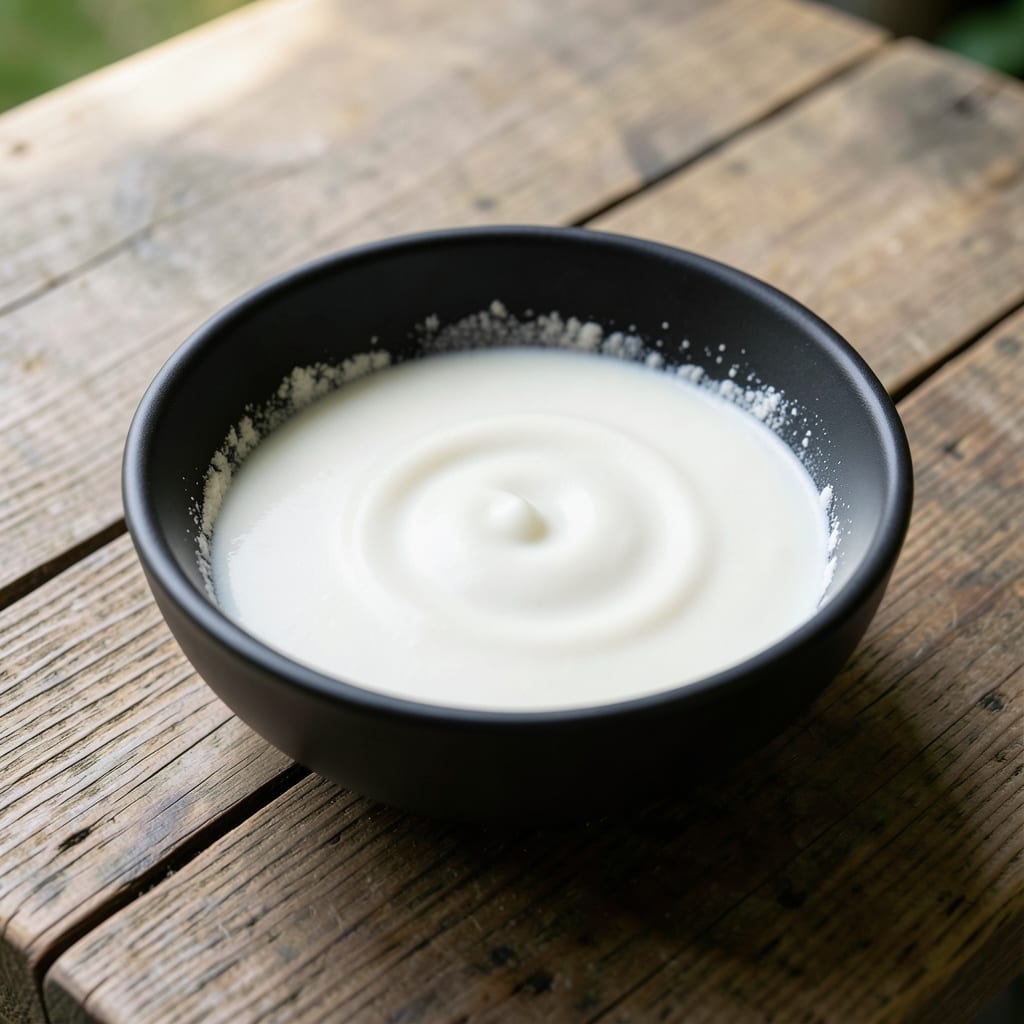
White dust on your leaves means trouble. Powdery mildew spreads fast, but a simple milk solution stops it in its tracks.
I discovered this trick after losing half my zucchini plants one summer. The science is real—milk’s natural compounds disrupt the fungus without harsh chemicals. Mix 1 part milk with 9 parts water and spray weekly for prevention.
Works best on cucumbers, squash, and roses. You’ll see improvement within 3-5 days of the first application. No fancy equipment, just a spray bottle and regular milk from your fridge.
The plants stay healthy and productive, and you avoid the toxic buildup of commercial fungicides. Safe for edibles, kids, and pets too.
Powdery mildew thrives under specific environmental and biological conditions. Understanding these triggers helps gardeners prevent outbreaks before they start. Below are the primary causes, explained in clear, actionable terms.
This fungal disease flourishes in high humidity (60-80%) combined with dry leaf surfaces. Unlike other fungi, powdery mildew doesn’t require water on leaves to germinate—just moist air. Poor air circulation (e.g., crowded plants or dense canopies) traps humidity, creating ideal conditions for spores to spread.
Powdery mildew spores activate in temperatures between 60–80°F (15–27°C). The temperature swings of warm days followed by cool nights (common in spring/fall) accelerate spore production. Overhead watering in the evening can worsen this by prolonging leaf wetness without rainfall to wash spores away.
Some plants are genetically prone to infection, including roses, cucumbers, squash, grapes, and zucchini. New growth and young leaves are especially vulnerable due to thinner cuticles. Stress from drought, poor soil nutrition, or improper pruning further weakens resistance.
Stagnant air allows spores to settle and colonize. This often occurs in greenhouses, indoor gardens, or tightly spaced outdoor beds. Pruning to open the plant’s center and spacing plants properly improves ventilation, reducing spore survival rates.
Excess nitrogen promotes lush, soft growth—a magnet for powdery mildew. Conversely, potassium and silicon deficiencies weaken cell walls, making plants more susceptible. A balanced fertilizer (e.g., lower nitrogen, higher potassium) strengthens natural defenses.
Powdery mildew doesn’t have to spell disaster for your garden. With the right approach, you can tackle this fungal issue effectively using simple, organic solutions. Below are targeted fixes for common causes, along with prevention tips to keep your plants thriving.
Stagnant air creates a breeding ground for powdery mildew. Fix it by pruning overcrowded plants to allow better airflow. Space plants appropriately during planting, and avoid overhead watering, which can promote humidity. For indoor plants, use a small fan to keep air moving gently.
Prevention tip: 💡 Regularly thin out dense foliage and ensure your garden or greenhouse has good ventilation.
Powdery mildew thrives in humid conditions. Combat it by watering plants at the base in the early morning, giving them time to dry before evening. If humidity is a persistent issue, consider a dehumidifier for indoor setups or choose mildew-resistant plant varieties.
Prevention tip: 🌡️ Monitor humidity levels with a simple hygrometer and aim to keep it below 60% for most plants.
A weakened plant is more susceptible to infections. Boost defenses with a DIY milk solution: mix 1 part milk with 9 parts water and spray it on affected leaves weekly. The proteins in milk act as a natural fungicide, while the solution strengthens plant cells.
Prevention tip: ✨ Apply the milk spray as a preventive measure every 2-3 weeks, even before signs of mildew appear.
Powdery mildew often appears in shady, damp areas. Move potted plants to sunnier spots or trim nearby trees and shrubs to allow more light. For garden beds, plan your layout to maximize sunlight exposure, especially for susceptible plants like roses, cucumbers, and squash.
Prevention tip: 🎯 Rotate indoor plants regularly to ensure all sides receive adequate light.
By addressing the root causes and applying these practical solutions, you can keep powdery mildew at bay and maintain a healthy, vibrant garden. Stay consistent, and your plants will thank you!
Spray weekly for active infections. For prevention, apply every 2-3 weeks during susceptible seasons. Always use fresh solution for best results.
Most effective on cucumbers, squash, roses, and other mildew-prone plants. Test on a small area first for sensitive varieties like ferns or orchids.
Whole milk works best due to higher protein content. Skim milk works but may be less effective. Avoid expired milk as it can harm plants.
Milk proteins disrupt fungal cell walls. The natural compounds create an inhospitable environment for spores without harming plants.
