
Beautiful Plants For Your Interior
Beautiful Plants For Your Interior
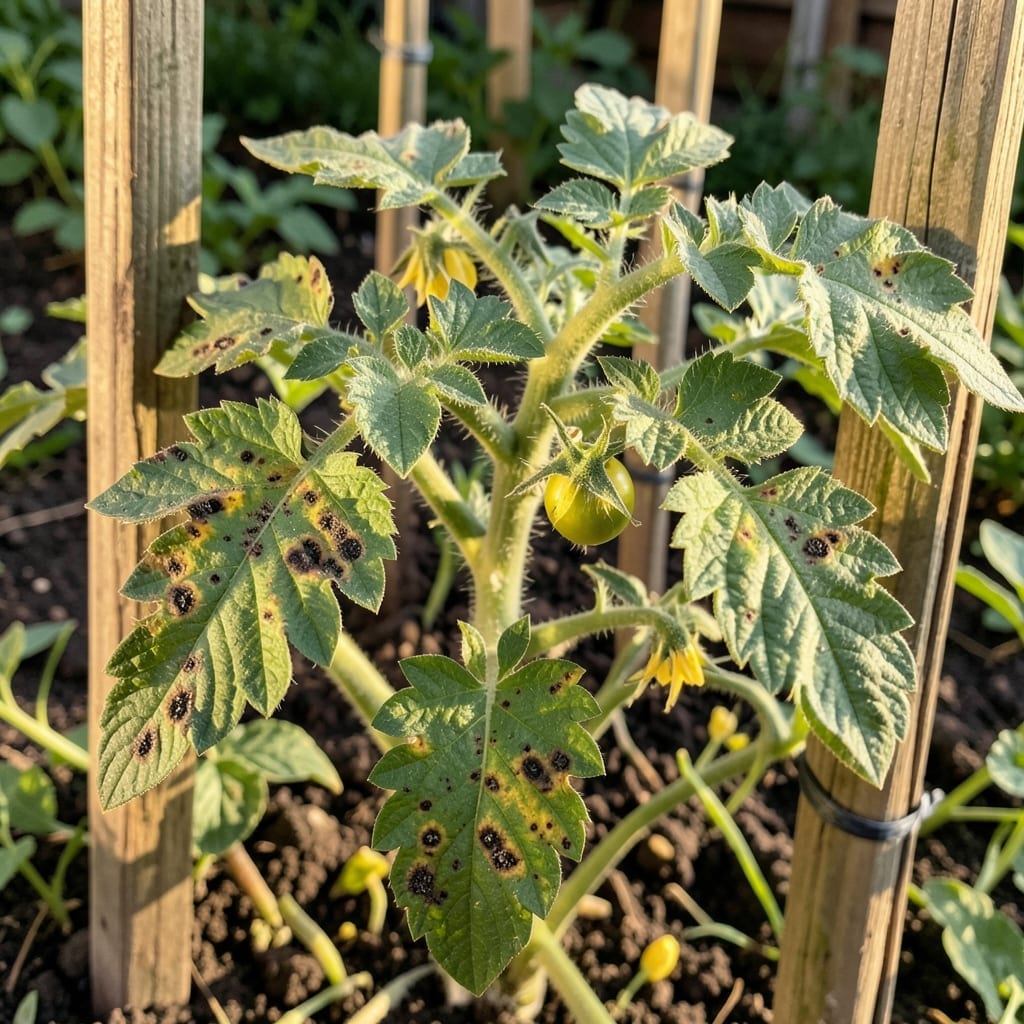
Spotted brown leaves on your tomatoes mean trouble. I’ve lost entire crops to fungal diseases that spread faster than you can say “early blight.” Catching it early changes everything.
Most gardeners miss the first signs—tiny spots, yellowing edges, or white powder. By the time you notice wilting, it’s often too late. The good news? Treatment works best when you act at the first hint of trouble.
With the right approach, you can salvage your plants and even prevent future outbreaks. Organic sprays, better airflow, and simple sanitation make a huge difference in keeping your tomatoes healthy.
This guide helps you spot the warning signs before they take over. No advanced degree required—just sharp eyes and quick action.
Understanding why tomato plants fall victim to fungal infections starts with examining the conditions that favor their growth. Fungal diseases thrive under specific environmental and cultural factors, and addressing these can significantly reduce the risk.
Fungal spores need consistent moisture to germinate and spread. Overhead watering, high humidity, or poor soil drainage creates the perfect breeding ground. Splashing water can also carry spores from the soil to the leaves, accelerating infection. Always water at the base of the plant to keep foliage dry.
Most tomato fungal diseases, like early blight or powdery mildew, flourish in temperatures between 70–85°F (21–29°C) with high humidity. Warm, wet weather—common in many growing seasons—encourages spore production and dispersal. Proper spacing between plants improves airflow, reducing humidity pockets.
Dense foliage restricts airflow, trapping moisture and creating microclimates ideal for fungi. Prune lower leaves and thin out excess growth to allow light and air to penetrate the canopy. This not only deters fungi but also strengthens the plant’s natural defenses.
Fungal pathogens like Fusarium or Verticillium can lurk in contaminated soil or infected seeds. Using certified disease-free seeds and crop rotation (avoiding planting tomatoes in the same spot yearly) breaks the fungal life cycle, preventing recurrence.
Fungal diseases in tomatoes can be frustrating, but they’re often manageable with the right approach. Below are targeted solutions for common fungal issues, along with prevention tips to keep your plants healthy.
If you spot concentric rings on lower leaves, act fast. Prune infected leaves immediately and dispose of them in the trash (not compost). Apply a copper-based fungicide to protect remaining foliage. Prevention tip: 💡 Rotate crops yearly and avoid overhead watering to reduce humidity.
Dark, greasy spots on leaves and fruit signal late blight. Remove and destroy affected plants to prevent spores from spreading. Treat healthy plants with neem oil or a biofungicide. Prevention tip: 🌡️ Space plants for airflow and water at the base to keep leaves dry.
White powdery patches on leaves? Mix 1 tablespoon baking soda + 1 teaspoon dish soap + 1 gallon water and spray weekly. Prevention tip: ✨ Thin out dense foliage and choose resistant tomato varieties like ‘Jasper’ or ‘Defiant’.
Sunken, circular spots on ripe fruit? Pick and discard infected tomatoes. Apply sulfur-based fungicide to prevent further spread. Prevention tip: 🎯 Mulch with straw to reduce soil splashing onto fruit.
For all fungal issues, sanitize tools between uses and avoid working with wet plants. Early action and consistent care are your best defenses!
Early symptoms include small brown spots on lower leaves, white powdery patches, or yellowing edges. Check undersides of leaves too—fungi often start there.
If over 50% of the plant is affected, removal is safest. For mild cases, prune infected parts and apply fungicide immediately.
Yes! A baking soda mix (1 tbsp + 1 tsp soap + 1 gallon water) helps with powdery mildew. Reapply after rain.
Rotate crops yearly, space plants for airflow, and water at the base. Clean tools and remove old plant debris.