
Beautiful Plants For Your Interior
Beautiful Plants For Your Interior
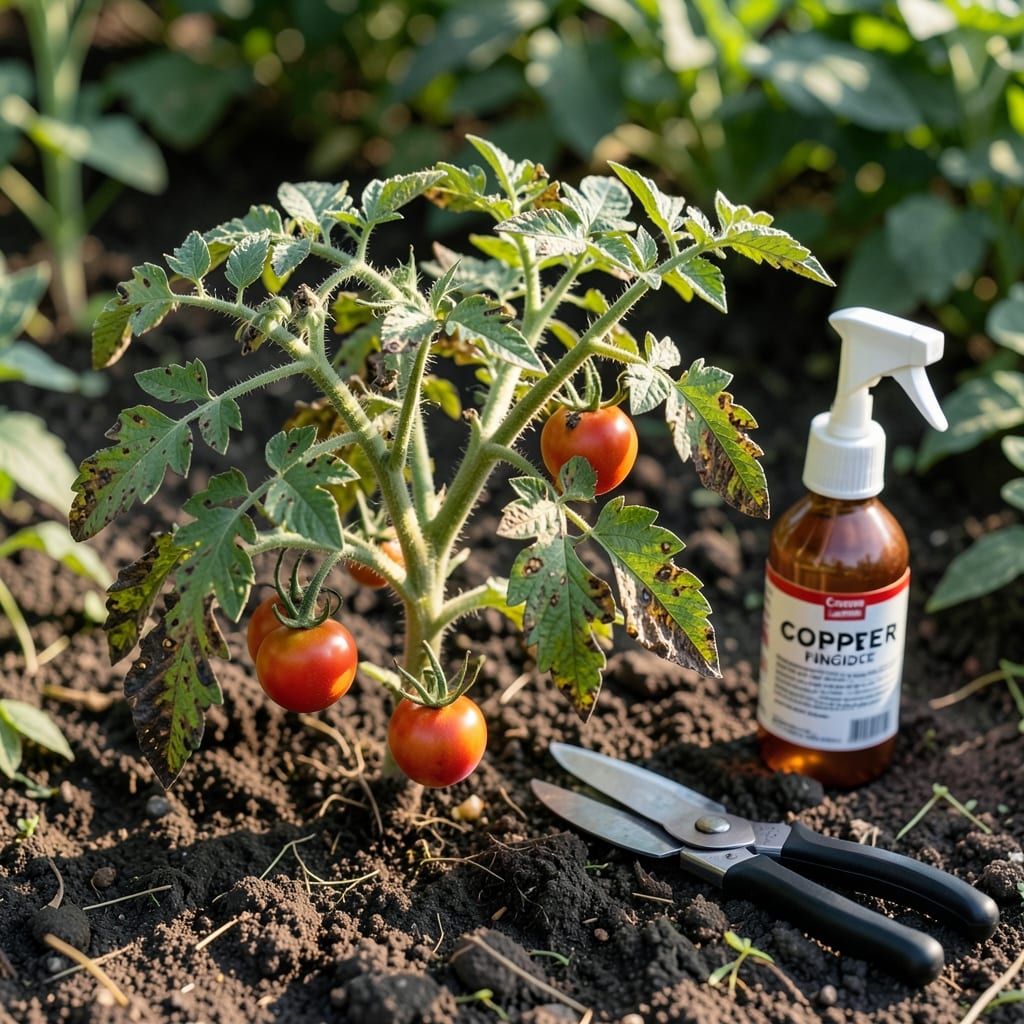
That first brown spot on a tomato leaf feels like a gut punch. I’ve lost entire crops to blight overnight, but now I catch it before it spreads.
The key is watching for water-soaked spots that turn brown, then black—especially after wet weather. It moves fast, but early action stops it cold. Remove affected leaves immediately and destroy them, don’t compost.
Prevention is simpler than you think: space plants for airflow, water at the base, and rotate crops yearly. A 3-foot gap between plants makes all the difference.
Organic sprays work if you start before symptoms appear. Copper fungicide or baking soda solutions create a protective barrier. One application a week keeps blight from taking hold.
Tomato blight is a common and destructive disease, but understanding its causes can help you prevent it. Here’s a breakdown of the primary factors that trigger this issue:
Blight is primarily caused by fungal pathogens like Phytophthora infestans (late blight) and Alternaria solani (early blight). These fungi thrive in warm, moist conditions, spreading rapidly through spores in water or wind. Poor air circulation and crowded plants create an ideal environment for these pathogens to take hold.
Overwatering or prolonged periods of rain can saturate the soil and foliage, creating a breeding ground for fungal spores. Tomatoes are especially vulnerable when their leaves remain wet for extended periods. Drip irrigation and proper spacing between plants can help reduce moisture-related risks.
Extreme temperature swings, particularly cool nights followed by warm days, stress tomato plants and weaken their natural defenses. This stress makes them more susceptible to infection. Maintaining consistent growing conditions can help mitigate this risk.
Fungal spores can overwinter in garden debris, infected soil, or even on tools. Failing to clean up fallen leaves, rotten fruit, or old plant material allows the fungus to persist and reinfect new crops. Regularly sanitizing tools and removing plant debris is essential for prevention.
Once you spot blight on your tomatoes, act fast to save your crop and prevent future outbreaks. Below are targeted solutions based on the type of blight, followed by prevention tips to keep your garden thriving. 🌱
Early blight shows as brown spots on lower leaves with concentric rings. Fix it:
Late blight causes greasy, dark spots on leaves and fruit, often in wet weather. Fix it:
Pro tip: Water in the morning so leaves dry quickly in sunlight. ☀️
Early blight starts with brown spots on lower leaves with concentric rings. Late blight shows greasy, dark patches on leaves and fruit, often after rain.
Remove infected leaves or entire plants immediately and destroy them. Never compost blighted material. Apply copper fungicide or baking soda spray within 24 hours.
It’s unlikely. Late blight spreads quickly and usually requires removing the entire plant. Focus on protecting nearby healthy plants instead.
For organic prevention, apply copper fungicide or baking soda solution every 7-10 days. Increase to every 5 days during wet weather.