
Beautiful Plants For Your Interior
Beautiful Plants For Your Interior
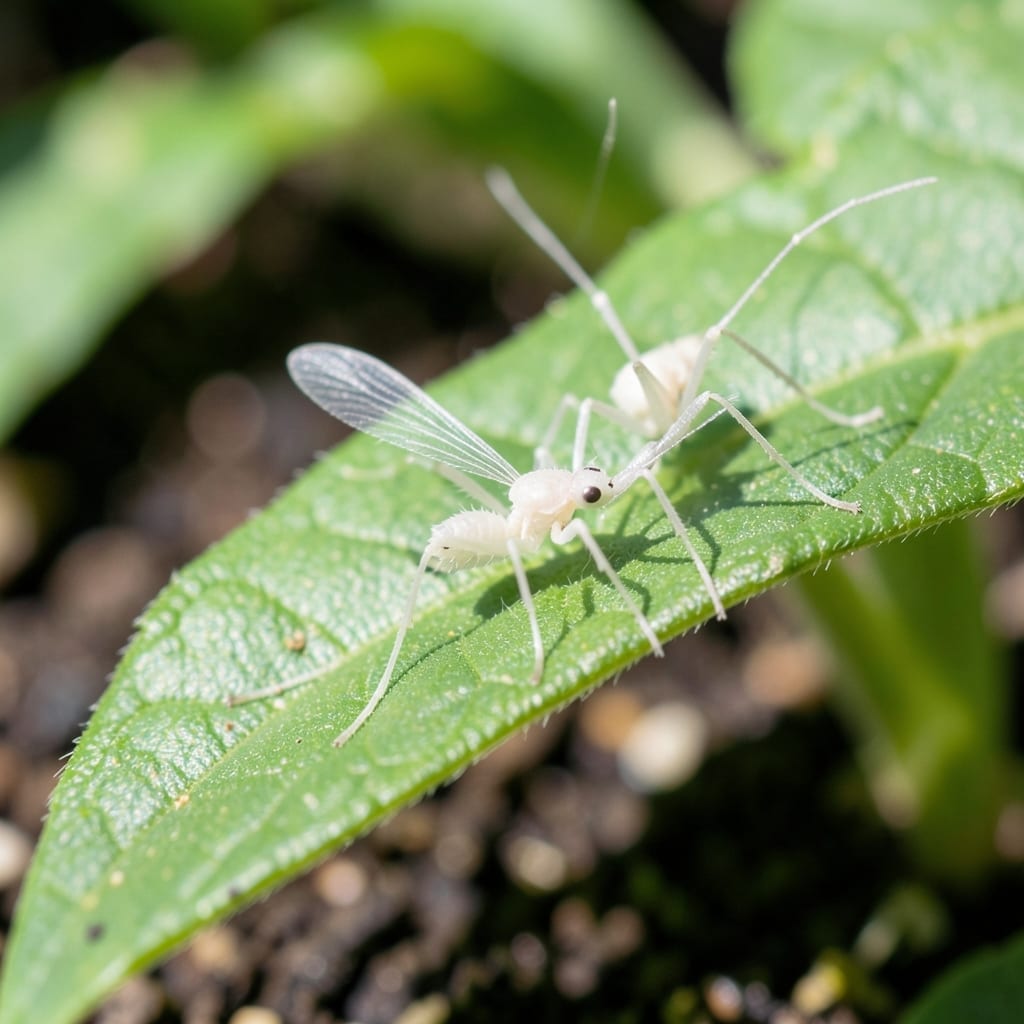
Those tiny white gnats hovering around your plants aren’t just annoying—they’re a warning sign. I’ve lost seedlings to them before, but there’s a fast way to stop the damage.
The little pests thrive in damp soil, laying eggs that hatch into root-eating larvae. Your plants weaken, growth stalls, and suddenly you’re staring at yellowing leaves. Catching them early changes everything.
With a few household items and 24 hours, you can break their cycle. Yellow sticky traps, hydrogen peroxide, or a cinnamon sprinkle work wonders without harsh chemicals.
Works for houseplants, seed starts, and greenhouse trays. Let’s clear them out before they multiply.
The sudden appearance of tiny white gnats is often tied to specific environmental or behavioral triggers. These pests thrive under certain conditions, and understanding the root causes can help you address the problem effectively.
Fungus gnats, a common type of tiny white gnat, are drawn to excessively moist soil. Overwatering houseplants creates the perfect breeding ground for their larvae, which feed on decomposing organic matter. Damp potting mix, leaf litter, or compost piles can all attract these pests. Reducing watering frequency and allowing soil to dry between waterings disrupts their lifecycle.
Fruit flies, another type of small white gnat, are attracted to fermenting or rotting produce. Overripe fruits, uncovered trash bins, or dirty drains provide ample food sources for these insects. Keeping countertops clean, sealing trash cans, and promptly disposing of spoiled food can prevent infestations.
Stagnant air and high humidity levels create an ideal environment for gnats to multiply. Bathrooms, kitchens, and basements with limited airflow or excess moisture are prime hotspots. Using dehumidifiers, opening windows, or installing exhaust fans can help deter them.
Sometimes, tiny white gnats hitch a ride on new plants or contaminated soil. If you’ve recently introduced a new plant to your home, inspect it for signs of gnats or larvae before bringing it inside. Quarantining new plants and repotting them with fresh, sterile soil can prevent the spread of these pests.
Getting rid of these pesky insects starts with targeted solutions. Below are practical fixes for common causes, along with prevention tips to keep them from returning.
Let the soil dry out between waterings—gnats thrive in damp conditions. Repot plants with fresh, sterile soil if the infestation is severe. For immediate relief, place yellow sticky traps near the plant to catch adult gnats.
Prevention tip: Use pots with drainage holes and empty saucers after watering to avoid standing water.
Remove overripe fruit, vegetables, or compost piles where gnats breed. Clean up spills and crumbs, especially in kitchens. A mix of apple cider vinegar and dish soap in a shallow dish can trap and kill adult gnats.
Prevention tip: Store produce in sealed containers or the fridge, and take out trash regularly.
Pour a boiling water and baking soda solution down drains weekly to flush out eggs and larvae. For tough cases, use a drain cleaner with enzymes to break down organic buildup.
Prevention tip: Fix leaky pipes and wipe sinks dry after use to eliminate standing water.
Eliminate standing water in plant saucers, gutters, or old tires. Introduce beneficial nematodes to garden soil to target larvae naturally. Keep outdoor trash bins tightly sealed.
Prevention tip: Refresh birdbaths and fountains weekly to disrupt gnat breeding cycles.
Pro tip: 💡 A small fan near infested areas can deter adult gnats—they’re weak fliers and avoid strong airflow!
Not quite. While both are small, fungus gnats (often white) prefer damp soil and organic debris. Fruit flies are darker and love overripe produce. The fix differs too—dry soil stops fungus gnats, while traps work for fruit flies.
Larvae feed on roots, stunting growth, but plants often recover once the gnats are gone. Severe infestations can kill seedlings, so act fast. Repotting in fresh soil helps rescue struggling plants.
With consistent treatment (drying soil, traps, or peroxide), adults die within 1-2 weeks. Larvae take longer—expect full clearance in 3-4 weeks. Stay patient and keep soil dry.