
Beautiful Plants For Your Interior
Beautiful Plants For Your Interior
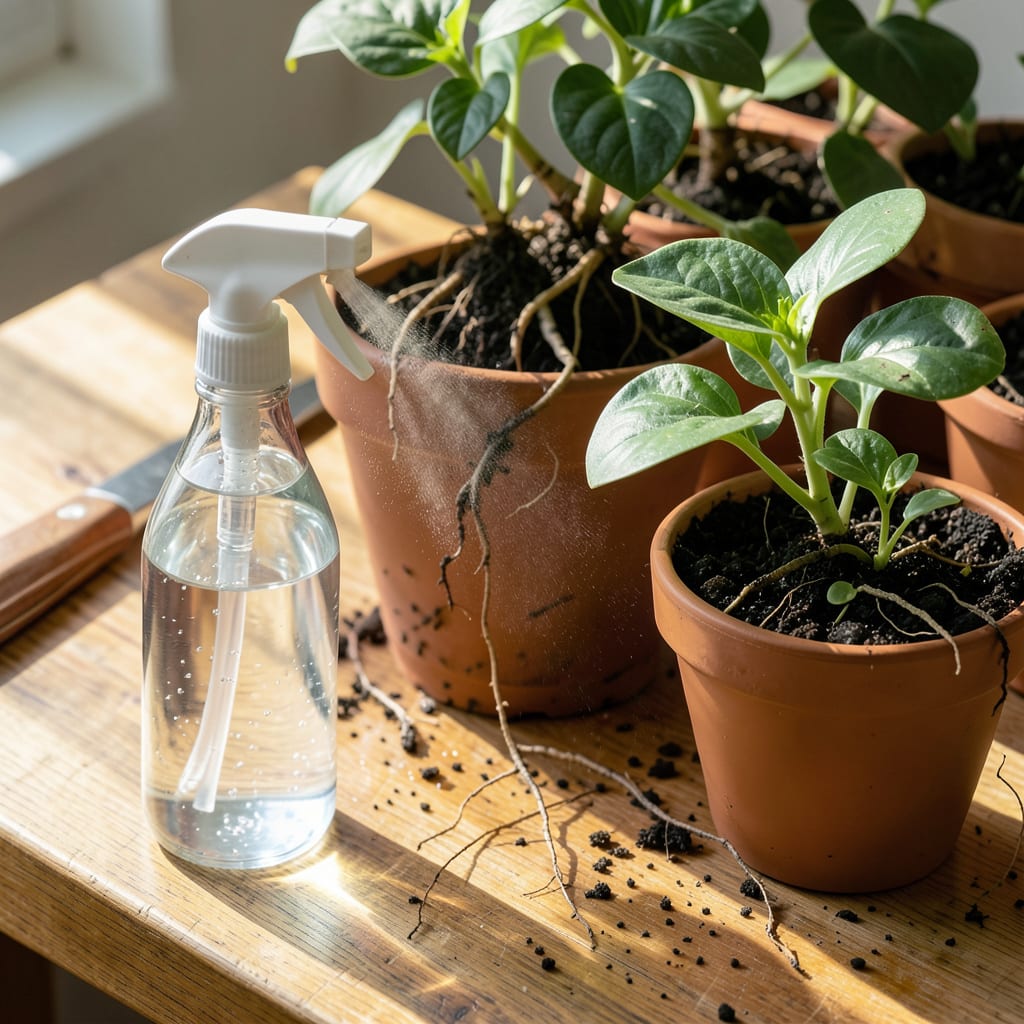
Your plant’s roots are brown and mushy, not white and firm. Root rot hits fast and hard, but I’ve saved dozens of plants with a 3% hydrogen peroxide solution that oxygenates the soil and kills fungus on contact.
I learned the hard way that overwatering isn’t the only culprit—poor drainage and compacted soil create the perfect environment for rot. This treatment works in 24-48 hours if caught early, reviving plants most gardeners would give up on.
You’ll see wilting leaves perk up as roots regain their healthy color. The method is simple: dilute, soak, and repeat if needed. No fancy tools, just a quick rescue for your struggling greens.
Works for houseplants, garden veggies, and even seedlings. Here’s how to do it without harming your plants further.
Root rot is a devastating condition that often stems from a few key environmental and biological factors. Understanding these causes is the first step in effective root rot treatment with hydrogen peroxide.
The most common cause of root rot is excess moisture around the roots. When soil remains waterlogged, oxygen is displaced, creating an anaerobic environment where harmful fungi like Phytophthora, Pythium, and Rhizoctonia thrive. Poor drainage in pots or compacted soil exacerbates this issue, trapping water and suffocating roots.
Fungal spores and bacteria naturally exist in soil, but they become problematic when conditions favor their growth. Warm, damp soil provides the perfect breeding ground for pathogens that attack weakened roots. These microbes break down root tissues, leading to decay and nutrient uptake failure.
Using unsterilized potting mix or gardening tools can introduce pathogens directly to your plants. Reusing soil from a previously infected plant or failing to clean tools between uses spreads fungal spores, increasing the risk of root rot.
Cold, stagnant conditions slow root metabolism, making plants more susceptible to infections. Poor airflow in crowded plantings or dense mulch layers traps moisture and heat, further stressing the root system.
Addressing these causes early can prevent root rot from taking hold, but if it does, hydrogen peroxide treatment can help oxygenate the soil and combat fungal growth.
Root rot can be a plant’s worst nightmare, but hydrogen peroxide (H2O2) is a powerful ally in the fight. Below are targeted solutions based on the cause, along with prevention tips to keep your plants thriving. 🌱✨
Fix: First, remove the plant from its pot and trim away any black, mushy roots with sterilized scissors. Soak the remaining healthy roots in a 3% hydrogen peroxide solution (1 part peroxide to 4 parts water) for 10–15 minutes to kill fungal spores. Repot in fresh, well-draining soil and a container with drainage holes. Water only when the top inch of soil is dry.
Prevention: Use pots with drainage and a quality potting mix. Stick to a watering schedule—less is more! 💡
Fix: For active infections, a stronger peroxide treatment may be needed. Mix 1 tablespoon of 3% H2O2 per cup of water and drench the soil until it runs out the bottom. Repeat every 3–5 days until the plant recovers. This oxygenates the soil and eradicates pathogens without harming the plant.
Prevention: Avoid overcrowding plants and ensure good air circulation. Sterilize tools and pots between uses to prevent contamination. ✨
Fix: Loosen the soil around the roots and amend it with perlite or coarse sand to improve aeration. Water with a hydrogen peroxide flush (1 part peroxide to 3 parts water) to break up compacted soil and introduce oxygen. This helps roots breathe and recovers their health faster.
Prevention: Regularly aerate the soil and avoid heavy, clay-based mixes. Use a moisture meter to monitor soil conditions. 🎯
With these steps, your plants can bounce back from root rot and stay resilient. Hydrogen peroxide isn’t just a treatment—it’s a preventative shield for healthier roots! 🛡️
For active infections, use a 1:4 peroxide-to-water ratio every 3-5 days until recovery. For prevention, a monthly flush with 1 tablespoon per cup of water keeps roots healthy.
No, when properly diluted, 3% hydrogen peroxide oxygenates roots and kills fungus without damage. Avoid concentrations above 3% or overuse, which can stress plants.
Yes, it’s safe for most houseplants, vegetables, and seedlings. Test on a small area first for sensitive species. Always use the correct dilution to avoid burning delicate roots.
If roots remain mushy after 2 weeks, the rot may be too advanced. Check for other issues like poor drainage or contaminated soil, and consider repotting with fresh mix.
