
Beautiful Plants For Your Interior
Beautiful Plants For Your Interior
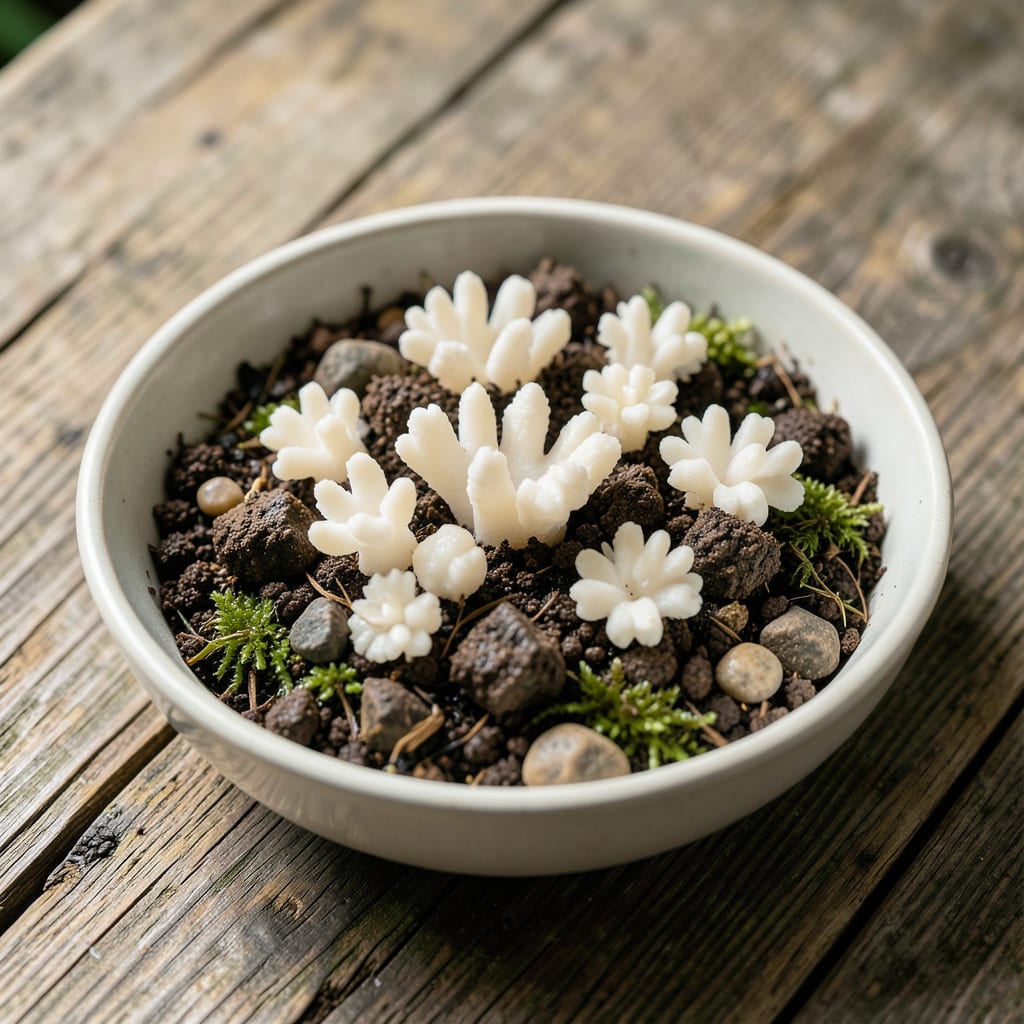
White fuzz in your soil isn’t always bad news. I’ve seen this pop up overnight after heavy rains, looking scary but often harmless.
The real trouble starts when it spreads across plants or smells sour. Left unchecked, it can stunt seedlings and steal nutrients. Most outbreaks come from excess moisture and organic debris sitting too long.
Here’s the thing—you can fix this without harsh chemicals. Simple adjustments to watering and soil care usually clear it within 7-10 days. The key is acting before it takes over.
Works for raised beds, containers, or in-ground gardens. Let’s get your soil healthy again.
White fungus in your garden soil isn’t just unsightly—it’s a sign of deeper imbalances. Here’s why it shows up, broken down by cause:
Fungi thrive in damp, waterlogged conditions. Overwatering, heavy clay soil, or inadequate drainage creates an anaerobic environment where Saprophytic fungi (like Mucor or Rhizopus) decompose organic matter rapidly. These fungi appear as white, thread-like growths (hyphae) or cottony patches. Action: Improve drainage with perlite or sand, and adjust watering schedules to let the top inch of soil dry between sessions.
While organic matter (compost, mulch, or decaying roots) enriches soil, an excess of undecomposed material feeds fungal growth. White fungi like Trichoderma or Penicillium break down cellulose and lignin, producing visible mycelium. Action: Balance additions of fresh compost with aerobic turnover (e.g., tilling) to speed decomposition and reduce fungal food sources.
White fungi proliferate in temperatures between 70–85°F (21–29°C) with humidity above 60%. These conditions accelerate spore germination, especially in shaded or poorly ventilated areas. Action: Increase airflow with spacing between plants, and use drip irrigation to keep foliage dry.
Soil with low nitrogen but high carbon (e.g., from wood chips or straw) favors fungal dominance. Additionally, compacted soil with poor microbial diversity allows opportunistic fungi to outcompete beneficial bacteria. Action: Test soil and amend with nitrogen-rich fertilizers (like blood meal) or microbial inoculants to restore balance.
Dealing with white fungus in your garden soil can feel overwhelming, but these practical steps will help you reclaim a healthy growing space.
If excess moisture is the culprit, start by reducing watering frequency and letting the soil dry out between waterings. For potted plants, ensure the containers have drainage holes. In garden beds, mix in coarse sand or perlite to boost aeration. Prevention tip: 💡 Water in the early morning so the soil has time to dry during the day.
Compacted soil traps moisture and encourages fungal growth. Use a garden fork or tiller to loosen the top 4-6 inches of soil, allowing air to circulate. For container plants, gently fluff the soil with a hand trowel. Prevention tip: ✨ Avoid overcrowding plants—space them properly to improve airflow.
Decaying leaves, mulch, or plant matter can feed white fungus. Rake up and remove any visible debris, and replace old mulch with fresh, fungus-resistant options like cedar chips. Prevention tip: 🌡️ Regularly clear fallen leaves and plant residue to keep the area tidy.
For active outbreaks, use natural treatments like neem oil, baking soda spray (1 tbsp baking soda + 1 gallon water + a few drops of dish soap), or a diluted hydrogen peroxide solution (3% concentration, 1 part peroxide to 4 parts water). Apply in the early morning or late evening to avoid harming plants. Prevention tip: 🎯 Rotate crops annually to prevent fungal buildup in the soil.
Most white fungi are harmless saprophytes that break down organic matter. However, if it spreads to plant stems or leaves, it can cause disease. Remove visible growth and monitor plants for wilting or discoloration.
In warm, moist conditions, white fungus can spread across soil within 24-48 hours. Act fast by reducing water and improving airflow to slow its growth.
Yes, a 1:1 water-vinegar solution can help, but use sparingly—vinegar may lower soil pH. Test on a small area first to avoid harming plants.
It may return if underlying issues like poor drainage or excess organic matter aren’t fixed. Maintain balanced soil moisture and remove debris to prevent recurrence.
