
Beautiful Plants For Your Interior
Beautiful Plants For Your Interior
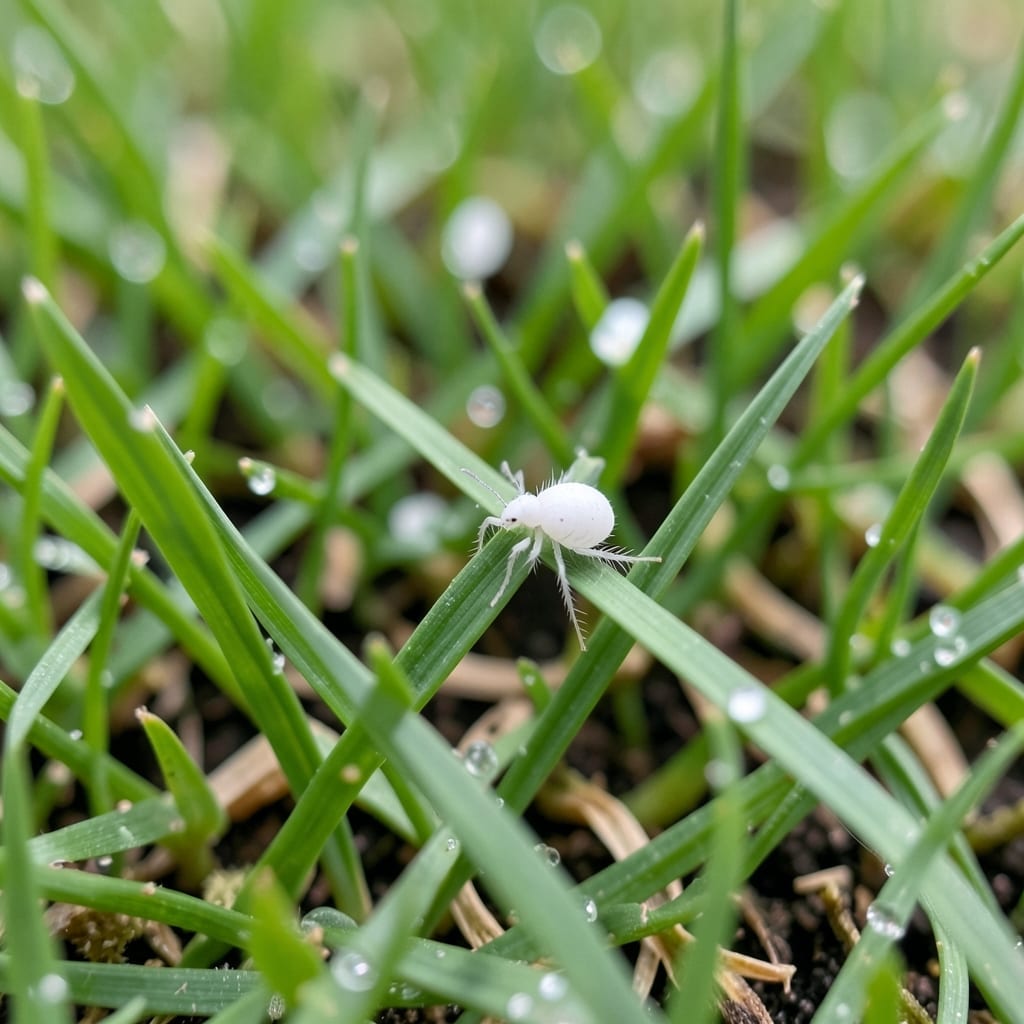
I spotted them first during my morning coffee—tiny white specks moving across the grass. Turns out, they were white grubs, and they were turning my lawn into their personal buffet.
Here’s the thing—these pests thrive in moist, undisturbed soil. Overwatering and thick thatch create the perfect environment for them to multiply. I learned this after my first infestation left brown patches everywhere.
You can fight back with natural remedies like beneficial nematodes or milky spore powder. These target grubs without harming the rest of your yard’s ecosystem.
Prevention is simpler than you think: aerate regularly, avoid overwatering, and keep your lawn healthy. A strong lawn is your best defense against future invasions.
Tiny white bugs in your lawn often appear due to specific environmental or cultural conditions. Understanding the root causes helps prevent future outbreaks and target treatments effectively.
Excess moisture creates ideal breeding grounds for insects like springtails or white grubs. Overwatered soil lacks oxygen, promoting fungal growth that attracts these pests. Ensure your lawn has proper drainage and follows a deep, infrequent watering schedule to discourage infestations.
A thick layer of thatch (dead grass and organic matter) traps moisture and provides shelter for bugs. Thatch over ½ inch thick harbors pests like mealybugs or soil mites. Aerate and dethatch annually to improve airflow and reduce hiding spots.
Many tiny white bugs, such as clover mites or aphids, thrive in warm, humid conditions. These pests reproduce rapidly when temperatures rise above 70°F with high humidity. Monitor weather patterns and adjust lawn care practices during peak seasons.
Synthetic fertilizers can disrupt soil biology, killing beneficial microbes while allowing pest populations to explode. Over-fertilized lawns often develop weak root systems, making them more susceptible to infestations. Opt for organic, slow-release fertilizers to maintain a balanced ecosystem.
Dealing with tiny white bugs in your lawn? Here’s how to tackle each common cause with simple, effective fixes—and keep them from coming back.
Too much moisture creates the perfect breeding ground for pests like springtails or white grubs. Cut back on watering to let the top inch of soil dry out between sessions. Water deeply but less frequently (1–1.5 inches per week, including rainfall). Pro tip: 💡 Water early in the morning so excess moisture evaporates during the day.
A thick thatch layer traps moisture and shelters bugs. Dethatch your lawn in early spring or fall using a rake or dethatching machine. Follow up with core aeration to improve drainage and airflow. For prevention, aerate annually and avoid over-fertilizing, which contributes to thatch.
For grubs, apply beneficial nematodes (like Heterorhabditis bacteriophora) to the soil—they’ll hunt and kill larvae without chemicals. For springtails, reduce organic debris (leaf litter, mulch) where they thrive. Prevention: ✨ Encourage birds, ground beetles, and other natural predators by limiting pesticide use.
Fallen leaves, grass clippings, and other debris provide hiding spots for pests. Rake and remove debris weekly, especially in shady or damp areas. Keep your mower deck high (3–4 inches) to allow sunlight to penetrate and dry the soil. Pro tip: 🌡️ Bag grass clippings if you’ve had pest issues—mulching can sometimes spread them.
A dense, healthy lawn naturally resists pests. Overseed bare spots in early fall or spring with pest-resistant grass varieties. Fertilize moderately (follow soil test recommendations) and mow regularly to maintain vigor. Prevention: 🎯 Aerate and top-dress with compost annually to strengthen roots.
Yes, they often damage roots and grass blades. White grubs eat grass roots, causing brown patches, while springtails feed on decaying matter but can indicate overwatering.
Check their size and location. Grubs are C-shaped and live in soil, while springtails are tiny, jump when disturbed, and appear on the surface.
Unlikely without intervention. Natural predators help, but reducing moisture and improving lawn health speeds up their departure.
Use sparingly and only for severe infestations. Opt for beneficial nematodes or milky spore powder first to avoid harming beneficial insects.