
Beautiful Plants For Your Interior
Beautiful Plants For Your Interior
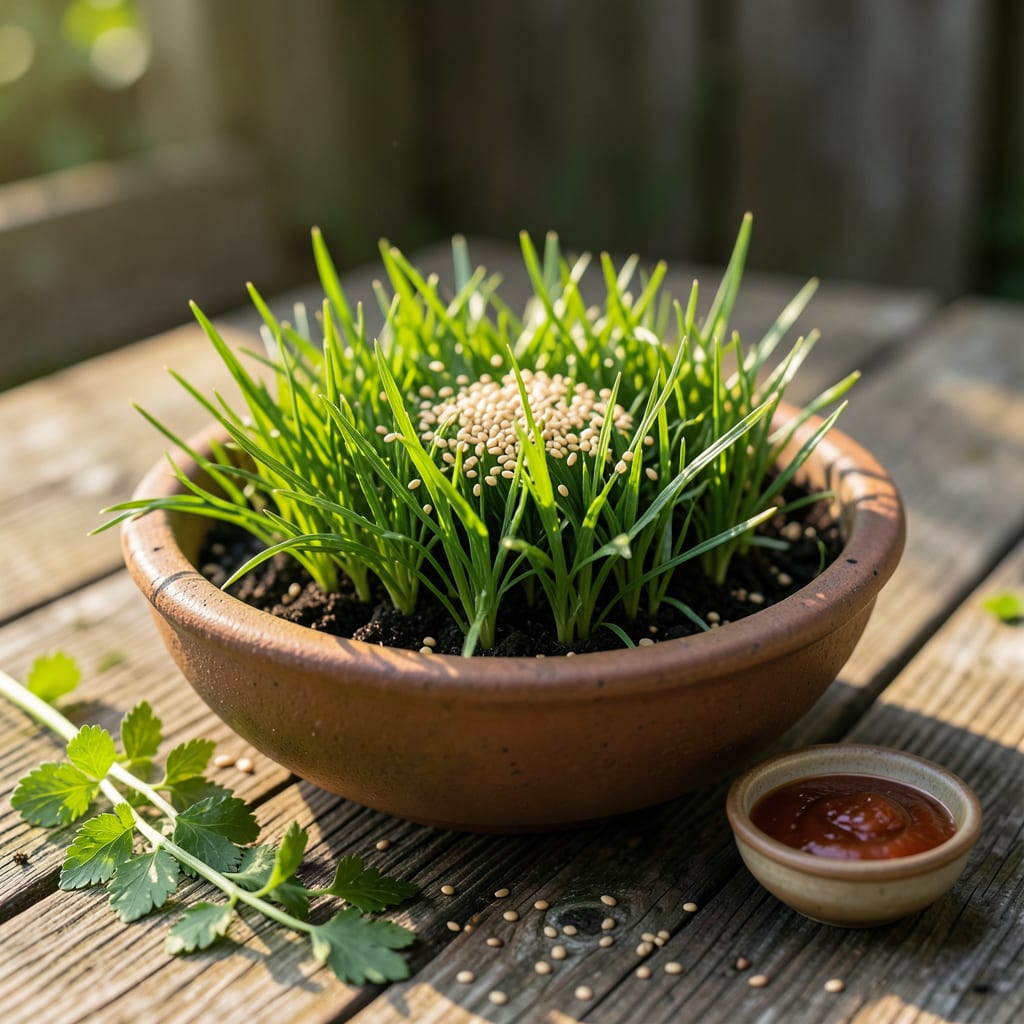
As spring arrives, your Lawn Grass 🌿 begins to grow again, and it’s the perfect time to give it the nutrients it needs to thrive. Fertilizing in spring helps promote healthy growth and prepares your lawn for the warmer months ahead.
In USDA Zone 6, where spring growth is particularly vigorous, timing your fertilization correctly is crucial. I’ll share expert tips on when to fertilize your Lawn Grass for the best results, helping you achieve a lush, green lawn throughout the growing season.

The best time to fertilize your lawn in spring depends on several factors, including grass type, climate, and regional considerations. In general, it’s recommended to fertilize your lawn when it’s actively growing and can benefit from the nutrients.
For most cool-season grasses, spring fertilization typically occurs in late March to early May, while warm-season grasses are usually fertilized in late spring to early summer. Understanding your specific grass type and local climate conditions is crucial for determining the optimal fertilization timing.
In USDA Zone 6, where the last frost date is around April 15, it’s generally recommended to fertilize your lawn in early spring, around late March to early April. This allows the grass to benefit from the nutrients as it begins to grow actively.
Soil temperature is another critical factor to consider when determining the best time to fertilize your lawn. For cool-season grasses, the ideal soil temperature for fertilization is between 40°F and 60°F. You can use a soil thermometer to check the temperature.
Fertilizing your lawn at the right time in spring can have several benefits, including promoting healthy growth, increasing density, and enhancing color. By understanding your grass type and local climate conditions, you can make informed decisions about when to fertilize your lawn for optimal results 🌿.
It’s also important to consider the type of fertilizer you’re using, as different products have varying release rates and nutrient profiles. Some fertilizers are designed to release nutrients slowly over time, while others provide more immediate results.
By choosing the right fertilizer and applying it at the optimal time, you can help your lawn thrive throughout the growing season. I recommend consulting with a local gardening expert or lawn care professional to determine the best fertilization strategy for your specific lawn care needs.
Key considerations for spring lawn fertilization include grass type, soil temperature, and local climate conditions. By taking these factors into account, you can make informed decisions about when and how to fertilize your lawn.
In addition to fertilization, other lawn care practices such as mowing, watering, and weed control can also impact the health and appearance of your lawn. By combining proper fertilization with these other practices, you can achieve a lush, green lawn that enhances your outdoor space 🌟.
For more information on lawn care and fertilization, I recommend checking out resources from reputable gardening organizations or consulting with a local lawn care expert. They can provide personalized advice and guidance to help you achieve your lawn care goals.
Choosing the right fertilizer for your lawn in spring is crucial for promoting healthy growth and development. With so many options available, it can be overwhelming to decide which type of fertilizer is best for your lawn 🌿.
The first step is to understand the different types of fertilizers available. There are slow-release, organic, and synthetic fertilizers, each with its own benefits and drawbacks.
When selecting a fertilizer, consider the NPK ratio, which represents the balance of nitrogen, phosphorus, and potassium. A balanced fertilizer with an NPK ratio of 10-10-10 is often recommended for Lawn Grass.
Soil test results can also help guide your fertilizer choice. By understanding your soil’s nutrient deficiencies, you can select a fertilizer that addresses specific needs.
In addition to the type of fertilizer, consider the application rate and timing. It’s essential to follow the manufacturer’s instructions for application rates to avoid over-fertilizing, which can harm your lawn and the environment 🌟.
By choosing the right fertilizer and applying it correctly, you can promote healthy growth and development in your Lawn Grass. I recommend consulting with a local gardening expert or lawn care professional to determine the best fertilization strategy for your specific lawn care needs.
Key considerations for choosing a spring lawn fertilizer include fertilizer type, NPK ratio, and soil test results. By taking these factors into account, you can make informed decisions about which fertilizer to use.
For more information on lawn care and fertilization, I recommend checking out resources from reputable gardening organizations or consulting with a local lawn care expert. They can provide personalized advice and guidance to help you achieve your lawn care goals 🌱.
When it comes to fertilizing your lawn in spring, timing is everything. I recommend fertilizing your lawn when it’s actively growing and can benefit from the nutrients 🌿.
To get the most out of your spring fertilization, follow these expert tips. First,
Fertilize your lawn in early spring, around late March to early April, when the soil temperature is between 40°F and 60°F. This allows the grass to benefit from the nutrients as it begins to grow actively.
In addition to choosing the right fertilizer, consider the application rate and timing. Follow the manufacturer’s instructions for application rates to avoid over-fertilizing, which can harm your lawn and the environment 🌟.
It’s also essential to mow and water your lawn properly after fertilizing. Maintain a regular mowing schedule and water your lawn deeply but infrequently to encourage deep root growth.
By following these expert tips, you can promote healthy growth and development in your Lawn Grass. I recommend consulting with a local gardening expert or lawn care professional to determine the best fertilization strategy for your specific lawn care needs 🌱.
Key takeaways for effective spring lawn fertilization include choosing the right fertilizer, applying it at the right time, and following proper lawn care practices. By taking these factors into account, you can achieve a lush, green lawn that enhances your outdoor space.
For most cool-season grasses, fertilize in late March to early May. Warm-season grasses typically get fertilized in late spring to early summer. Check your specific grass type and local climate for optimal timing.
Choose a fertilizer based on your grass type and soil test results. A balanced fertilizer with an NPK ratio of 10-10-10 is often recommended. Consider slow-release, organic, or synthetic options based on your preferences and lawn needs.
Fertilize your lawn every 4-6 weeks during the growing season. Follow the manufacturer’s instructions for application rates to avoid over-fertilizing. Proper timing and amount are crucial for healthy growth.
Avoid over-fertilizing, as it can harm your lawn and the environment. Also, don’t fertilize before heavy rain, and ensure even coverage to prevent burning your grass. Proper mowing and watering practices after fertilizing are also essential.
