
Beautiful Plants For Your Interior
Beautiful Plants For Your Interior
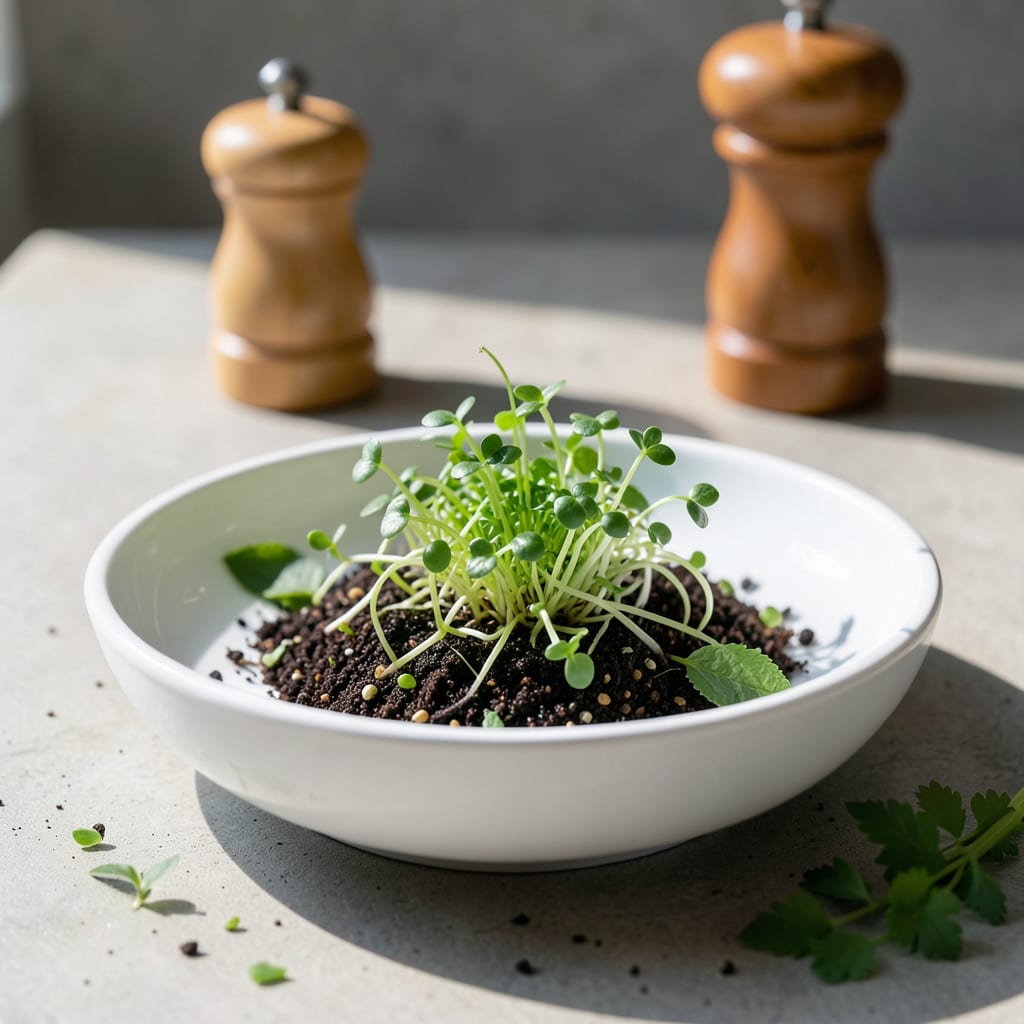
Spring is here, and it’s the perfect time to give your 🌿 Lawn some TLC. Getting the timing right for seeding and fertilizing can be tricky, but with the right guidance, you can achieve a lush, green lawn.
In USDA Zone 6, the ideal time to seed and fertilize is when the soil temperature reaches 55-65°F. I’ll walk you through the steps to make your Lawn thrive this spring.

Spring is the ideal time to rejuvenate your lawn through seeding and fertilizing, but the success of these efforts depends heavily on timing. Understanding the optimal conditions and timing is crucial for achieving a lush, green lawn 🌿.
In USDA Zone 6, the best time to seed and fertilize your lawn is when the soil temperature reaches 55-65°F, typically occurring in early spring. This temperature range supports optimal seed germination and fertilizer effectiveness.
To determine the exact timing, it’s essential to monitor soil temperature and weather forecasts. Using a soil thermometer can help you accurately measure soil temperature 🌡️.
Early spring is generally the best time for seeding and fertilizing. During this period, the soil is usually moist from melting snow and spring rains, creating ideal conditions for seed germination and root establishment 💧.
For cool-season grasses, early spring is an excellent time for overseeding. For warm-season grasses, late spring is more appropriate as it allows the new seedlings to establish before the hot summer weather 🔥.
When fertilizing, it’s crucial to choose the right type of fertilizer. A starter fertilizer is recommended for newly seeded lawns as it promotes root development 🌱.
For existing lawns, a balanced fertilizer can be used to provide essential nutrients. The application rate should follow the manufacturer’s instructions to avoid over-fertilization 📦.
Proper lawn care practices, such as mowing and watering, should be maintained alongside seeding and fertilizing. Regular mowing at the appropriate height and consistent watering support healthy lawn growth ✂️.
By understanding and implementing these timing tips, you can significantly improve the health and appearance of your lawn. A well-timed seeding and fertilization routine sets the foundation for a vibrant and resilient lawn throughout the growing season 🌟.
Monitoring your lawn’s response to these efforts and adjusting your care routine as needed will help you achieve the best results. With the right approach, your lawn can thrive and become the envy of the neighborhood 🏠.
By following these guidelines and staying attentive to your lawn’s needs, you can enjoy a lush, green lawn that enhances your outdoor space 🌿.
When it comes to spring lawn care, understanding whether to seed or fertilize first can be confusing. The order of these activities depends on your lawn’s specific needs and condition 🌱.
If your lawn has bare spots or needs overseeding, it’s generally recommended to seed first. This allows the new seedlings to establish themselves before applying fertilizer 🌿.
For established lawns that don’t need seeding, fertilizing can be done first to provide essential nutrients. A balanced fertilizer (10-10-10 NPK) is typically recommended for general lawn health 📦.
The timing between seeding and fertilizing is also crucial. After seeding, it’s best to wait until the new seedlings have reached a height of 2-3 inches before applying fertilizer 🌱.
This allows the seedlings to establish a strong root system. For fertilizing, the application rate should follow the manufacturer’s instructions to avoid over-fertilization 📝.
Proper lawn care practices, such as mowing and watering, should be maintained alongside seeding and fertilizing. Regular mowing at the appropriate height and consistent watering support healthy lawn growth ✂️.
By understanding the right order and timing for seeding and fertilizing, you can significantly improve the health and appearance of your lawn 🌟.
Monitoring your lawn’s response to these efforts and adjusting your care routine as needed will help you achieve the best results 🏠.
To achieve the best results from your spring lawn seeding and fertilizing efforts, it’s essential to complement these activities with other lawn care practices 🌿.
Proper mowing and watering techniques play a significant role in supporting healthy lawn growth. Maintaining your lawn mower at the recommended height for your grass type and watering deeply but infrequently encourages deep root growth ✂️.
Keep your lawn mower at the recommended height for your grass type to promote healthy growth.
Water your lawn deeply to encourage deep root growth, but avoid frequent shallow watering.
Regularly remove weeds to prevent them from competing with your grass for water and nutrients.
By incorporating these additional spring lawn care tips into your routine, you can enhance the effectiveness of your seeding and fertilizing efforts 🌟.
Monitoring your lawn’s response and adjusting your care routine as needed will help you achieve a lush, green, and healthy lawn throughout the growing season 🏠.
The ideal soil temperature for spring lawn seeding is between 55-65°F. This temperature range supports optimal seed germination and root establishment. Using a soil thermometer can help you accurately measure the soil temperature.
If your lawn has bare spots or needs overseeding, it’s generally recommended to seed first. This allows the new seedlings to establish themselves before applying fertilizer. For established lawns, fertilizing can be done first to provide essential nutrients.
After seeding, it’s best to wait until the new seedlings have reached a height of 2-3 inches before applying fertilizer. This allows the seedlings to establish a strong root system. For fertilizing, follow the manufacturer’s instructions to avoid over-fertilization.
A starter fertilizer is recommended for newly seeded lawns as it promotes root development. For existing lawns, a balanced fertilizer (10-10-10 NPK) can be used to provide essential nutrients. Always follow the manufacturer’s instructions for application rates.
