
Beautiful Plants For Your Interior
Beautiful Plants For Your Interior
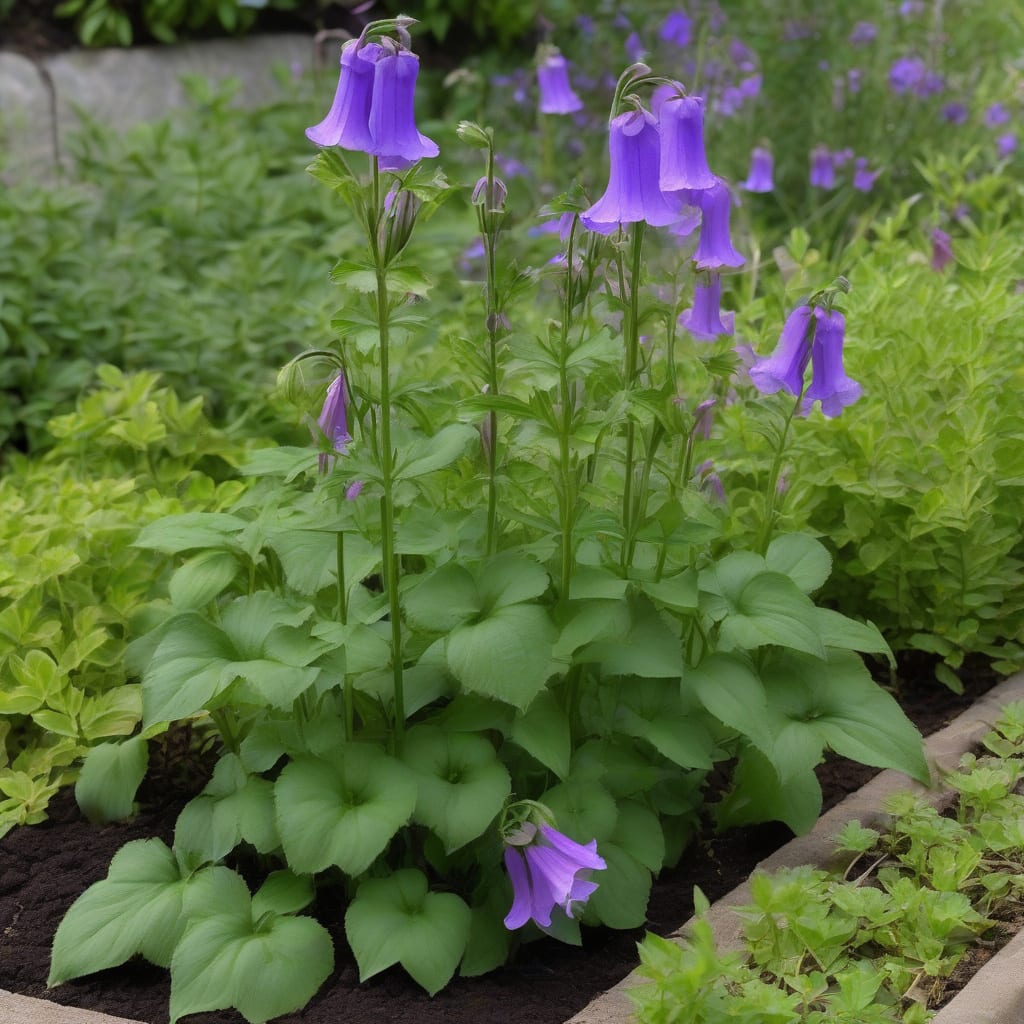
When I first planted Canterbury bells 💐 in my garden, I was amazed by their elegant bell-shaped flowers. Growing in USDA Zone 6, I needed to understand their growth habits to place them properly.
Canterbury bells typically grow between 2-4 feet tall, making them a beautiful addition to any garden bed. Let’s explore what affects their height and how to support their growth.


Canterbury bells are known for their impressive height, typically growing between 2-4 feet tall. This makes them a great addition to garden borders or cottage-style gardens where their tall spikes can be showcased 🌼.
The height of Canterbury bells can vary depending on several factors, including soil quality, sunlight, and watering conditions. Understanding these factors is crucial for gardeners who want to maximize their plants‘ growth potential 🌱.
The height of Canterbury bells is influenced by various factors, including soil quality, sunlight exposure, and watering practices. Gardeners can optimize these conditions to help their plants reach their full height potential 🌻.
In ideal conditions, with rich soil and adequate moisture, Canterbury bells can grow even taller, sometimes reaching heights of up to 5 feet. However, this is less common and typically requires careful cultivation and support 🌼.
Understanding the typical height range of Canterbury bells is essential for garden planning. Gardeners can use this information to choose the right companion plants and ensure their garden remains balanced and visually appealing 🌸.
For most gardeners, the 2-4 feet is most common. учіThe height of Canterbury bells is a key consideration for gardeners looking to incorporate these beautiful plants into their landscape. By understanding the typical height range and the factors that influence it, veter gardeners can provide the best conditions for their Canterbury bells to thrive 🌺.
Canterbury bells are generally considered medium-sized plants, making them suitable for a variety of garden settings. Their height makes them visible from a distance, but not so tall that they overwhelm smaller plants 🌼.
To maximize the height potential of Canterbury bells, gardeners should focus on providing optimal growing conditions, including rich soil, adequate moisture, and appropriate sunlight. With proper care, these plants can reach their full height and add beauty to any garden 🌻.
Understanding the growth habits of Canterbury bells is crucial for creating a harmonious garden design. By considering the mature height of these plants, gardeners can plan their garden layouts more effectively, ensuring that taller plants like Canterbury bells are placed where they won’t overshadow smaller plants 🌺.
When growing Canterbury bells, understanding the factors that influence their height is crucial for achieving optimal growth. Several key elements can affect how tall these beautiful plants will grow 🌼.
Soil quality plays a significant role in determining the height of Canterbury bells. Rich, well-draining soil with adequate nutrients supports healthier and taller plants 🌱.
By understanding and optimizing these factors, gardeners can create the ideal conditions for their Canterbury bells to grow tall and healthy 🌻.
The height of Canterbury bells is not just determined by genetics; environmental factors play a crucial role. For instance, soil fertility can significantly impact plant height 🌱.
Sunlight exposure is another critical factor. Canterbury bells generally prefer partial shade to full sun, and the amount of sunlight they receive can directly influence their height 🌞.
Watering practices also contribute to the overall height of Canterbury bells. Consistent moisture, especially during dry spells, helps plants grow taller and stronger 💧.
Finally, providing support for Canterbury bells can prevent them from falling over, especially when they reach their maximum height 🌼.
By carefully managing these factors, gardeners can ensure their Canterbury bells achieve their full height potential and add beauty to their garden 🌺.
In conclusion, the height of Canterbury bells is influenced by a combination of factors including soil quality, sunlight exposure, watering practices, and support. By understanding and optimizing these conditions, gardeners can help their plants grow tall and thrive 🌻.
When incorporating Canterbury bells into garden designs, their height plays a crucial role in creating a balanced landscape 🌼.
These medium-sized plants typically grow between 2-4 feet tall, making them suitable for various garden settings. Understanding their mature height helps gardeners plan effective layouts 🌸.
Place Canterbury bells towards the back of garden borders to showcase their height, or use them as a natural screen in cottage-style gardens 🌺.
To effectively manage Canterbury bells’ height, consider using companion plants that complement their growth habit. Shorter plants like dwarf forget-me-nots or creeping thyme work well around their base 🌱.
Staking is another important consideration for taller Canterbury bells plants. Using garden stakes or plant cages can prevent them from falling over, especially in windy conditions 🌬️.
By thoughtfully incorporating Canterbury bells into garden designs and managing their height effectively, gardeners can create beautiful, balanced landscapes that showcase these charming flowers 🌼.
The height of Canterbury bells also makes them excellent for creating natural garden screens or backdrops for shorter plants. Their statuesque spikes add vertical interest to garden beds 🌺.
In summary, understanding and managing the height of Canterbury bells is key to successful garden design. By considering their mature height and using appropriate companion planting and staking techniques, gardeners can create stunning garden displays 🌸.
