
Beautiful Plants For Your Interior
Beautiful Plants For Your Interior
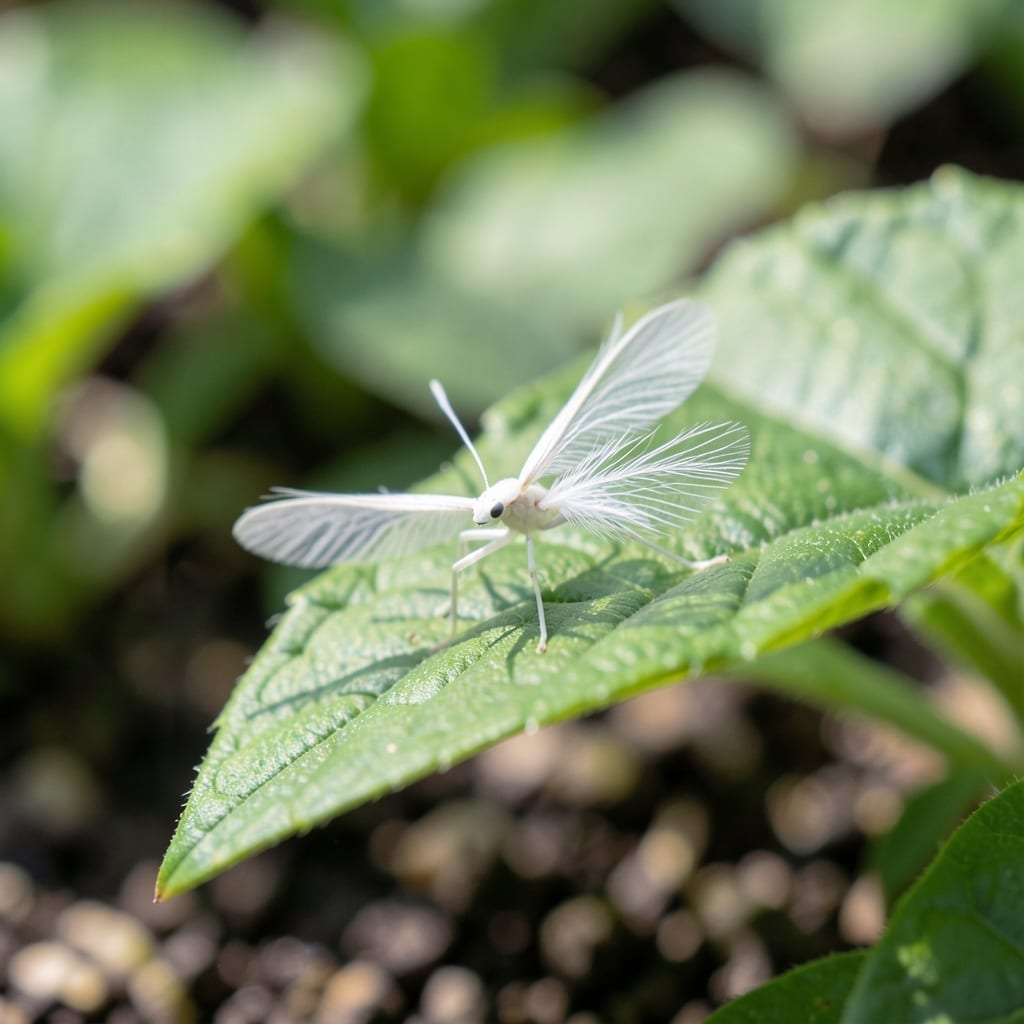
First time I saw them, I thought my plant had dandruff. Those tiny white bugs floating around your indoor plants aren’t harmless—they’re likely whiteflies or fungus gnats, and they multiply fast.
They target soft new growth, sucking sap and leaving sticky residue behind. I’ve lost a few favorite plants to infestations before learning the right approach. The good news? Organic solutions work just as well as harsh chemicals.
Yellow sticky traps catch adults, while neem oil or insecticidal soap breaks their life cycle. Consistency is key—treat every 5-7 days until they’re gone.
Prevention starts with proper watering and air circulation. Once you know what to look for, you’ll spot them before they take over.
Tiny white bugs floating in the air around your indoor plants are often a sign of an infestation, and understanding why they appear is key to addressing the issue. Below are the most common causes, explained clearly to help you take action.
Excess moisture in the soil or high humidity levels create the perfect breeding ground for fungus gnats and whiteflies. These pests thrive in damp conditions, laying their eggs in soggy soil. Overwatering your plants or poor drainage can lead to an explosion in their population, causing adult bugs to float around your plants.
Stagnant air traps moisture and prevents soil from drying out, which encourages the growth of tiny white bugs like springtails or aphids. Without proper ventilation, these pests multiply rapidly, leading to visible swarms in the air. Ensure your indoor garden has good airflow to disrupt their lifecycle.
Using unsterilized soil or reused potting mix can introduce pest eggs or larvae into your plant’s environment. Many tiny white bugs, including thrips and mealybugs, hitch a ride in contaminated soil. Always use fresh, sterile potting mix to minimize the risk of infestation.
Decomposing leaves, dead roots, or other organic debris in your plant pots attract pests like fungus gnats and mold mites. These bugs feed on decaying material, and their presence often signals that your plant’s environment needs cleaning. Remove fallen leaves and debris regularly to deter them.
Dealing with tiny white bugs floating in the air around your indoor plants? Here’s how to tackle each cause with simple, effective fixes.
Fix: Let the soil dry out between waterings. Repot the plant in fresh, well-draining soil if fungus gnats are present. Use a moisture meter to avoid guesswork.
Prevention: Water only when the top inch of soil is dry. Ensure pots have drainage holes. 💡 Pro Tip: A layer of sand or gravel on top of the soil discourages egg-laying.
Fix: Remove the plant from its pot, discard the old soil, and rinse the roots with lukewarm water. Repot using sterile potting mix.
Prevention: Always use sterilized potting soil for new plants. Store unused soil in a sealed container.
Fix: Move plants to a well-ventilated area or use a small fan to improve airflow. Trim dense foliage to allow better circulation.
Prevention: Space plants apart and avoid overcrowding. Open windows occasionally to refresh the air. ✨ Pro Tip: A gentle breeze from a fan can deter flying pests.
Fix: Use yellow sticky traps to catch adult bugs. Apply neem oil spray or insecticidal soap to the soil and foliage weekly until the infestation clears.
Prevention: Inspect new plants for pests before bringing them indoors. Quarantine new additions for 2-3 weeks. 🎯 Pro Tip: Introduce beneficial nematodes to the soil to target larvae naturally.
Consistency is key—stick to these steps, and your indoor garden will thrive pest-free!
No, these pests don’t bite humans or spread diseases. They primarily damage plants by feeding on sap and spreading mold. However, large infestations can be a nuisance indoors.
Whiteflies are tiny, moth-like insects that fly away when disturbed. Fungus gnats look like small mosquitoes and hover near soil. Check for larvae in the soil to confirm fungus gnats.
Apple cider vinegar traps can catch fungus gnats. Mix 1 part vinegar with 1 part water and a drop of dish soap in a shallow container near plants. Empty and refresh every 2-3 days.
Yes, they can quickly move to nearby plants. Isolate infested plants immediately and treat all houseplants preventatively. Consistency in treatment every 5-7 days prevents reinfestation.