
Beautiful Plants For Your Interior
Beautiful Plants For Your Interior
Fennel’s feathery foliage is iconic, but many weeds mimic its appearance. Learning to distinguish these lookalikes helps gardeners avoid accidental cultivation of invasive plants while protecting their herb gardens.
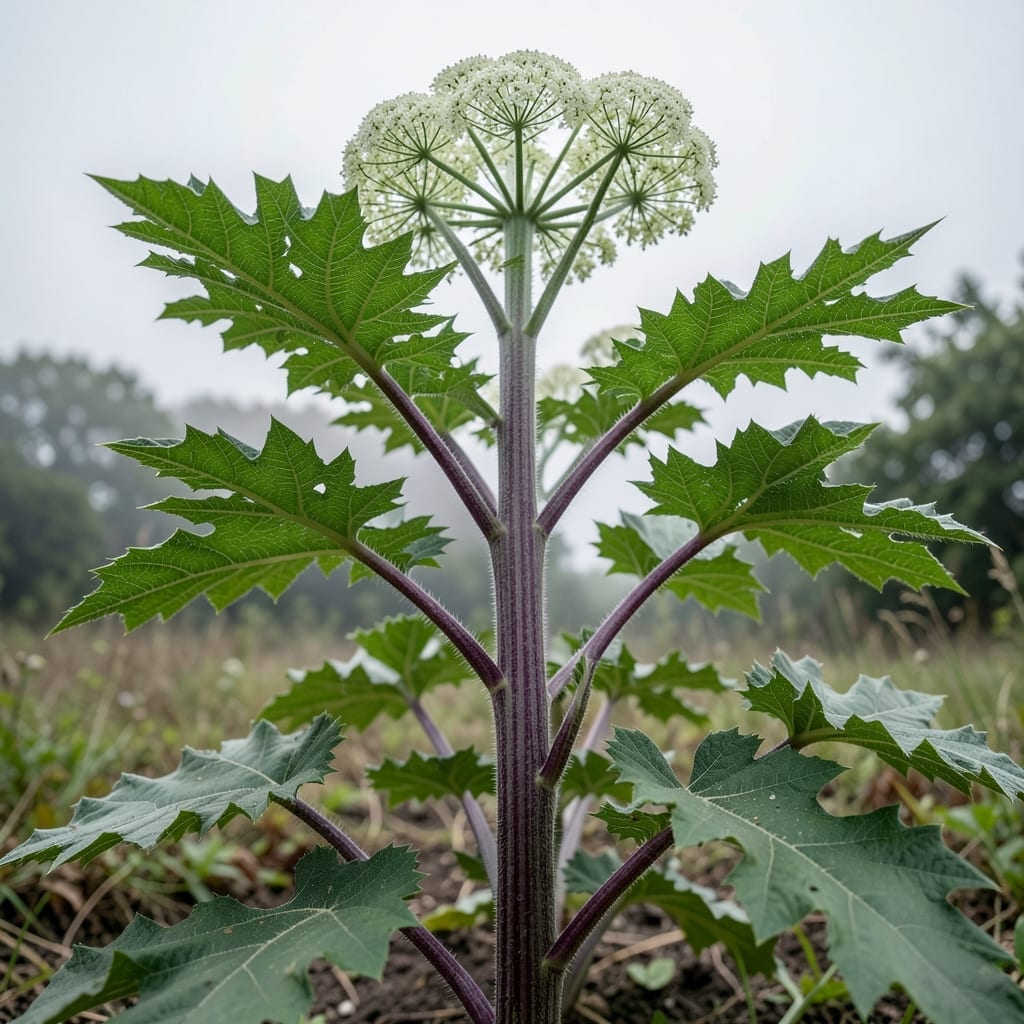
Don’t let its fern-like foliage fool you—giant hogweed is far from harmless. This invasive plant can tower 15 feet tall, dwarfing fennel and posing serious risks to gardeners and landscapes alike.
Its sap contains toxic compounds that cause severe skin burns and blisters when exposed to sunlight, a condition called phytophotodermatitis. Unlike fennel, it thrives in moist areas like stream banks and roadsides, spreading aggressively through self-seeding.
Always wear gloves and long sleeves when handling suspected giant hogweed, and contact local authorities for safe removal. 🌿
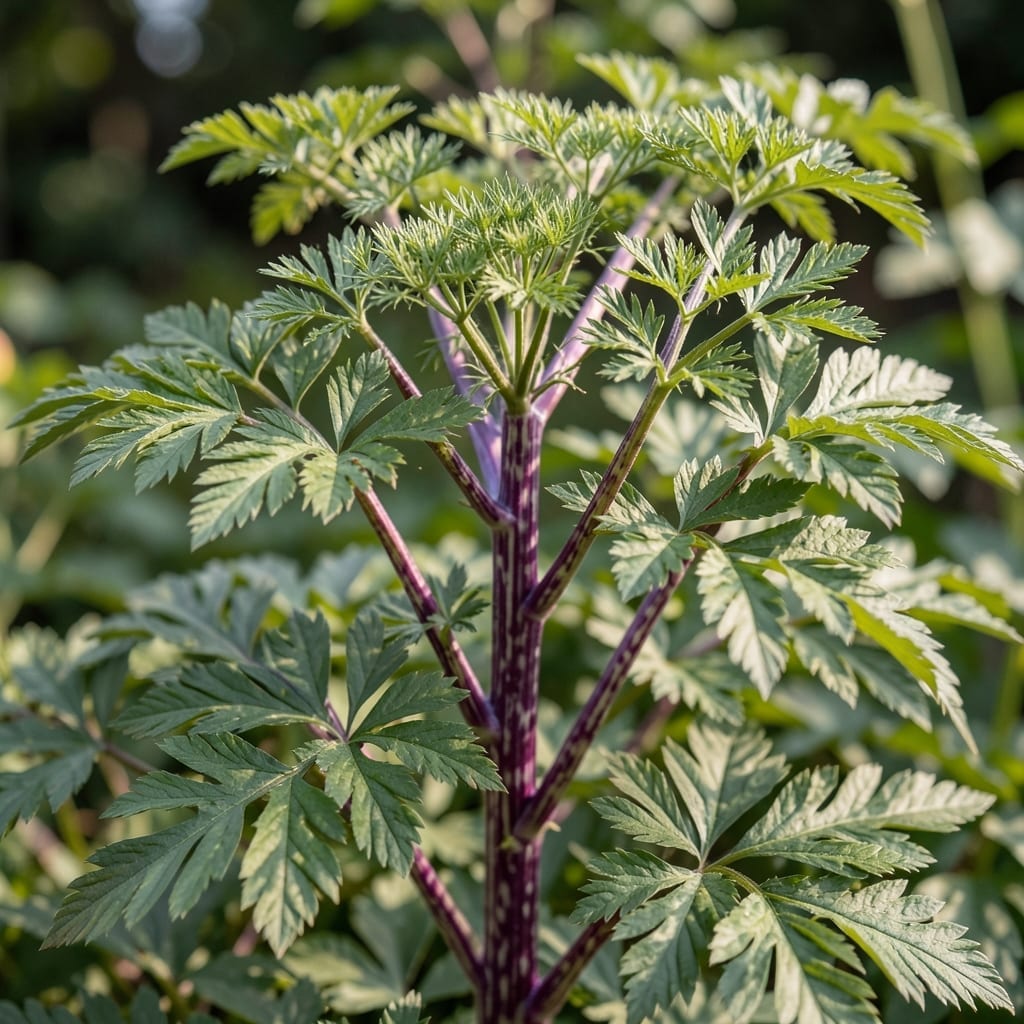
Beware of poison hemlock—this deadly doppelganger looks almost identical to fennel at first glance. Its delicate, fern-like leaves can trick even experienced gardeners into thinking it’s harmless.
Unlike fennel, poison hemlock has smooth, purple-spotted stems and emits a musty odor when crushed. Every part of this plant is highly toxic—ingesting even a small amount can be fatal. It often grows in damp areas like roadsides and stream banks.
Always check for these distinguishing features before handling any fennel-like plant. When in doubt, remove it with caution and dispose of it safely. 🌿
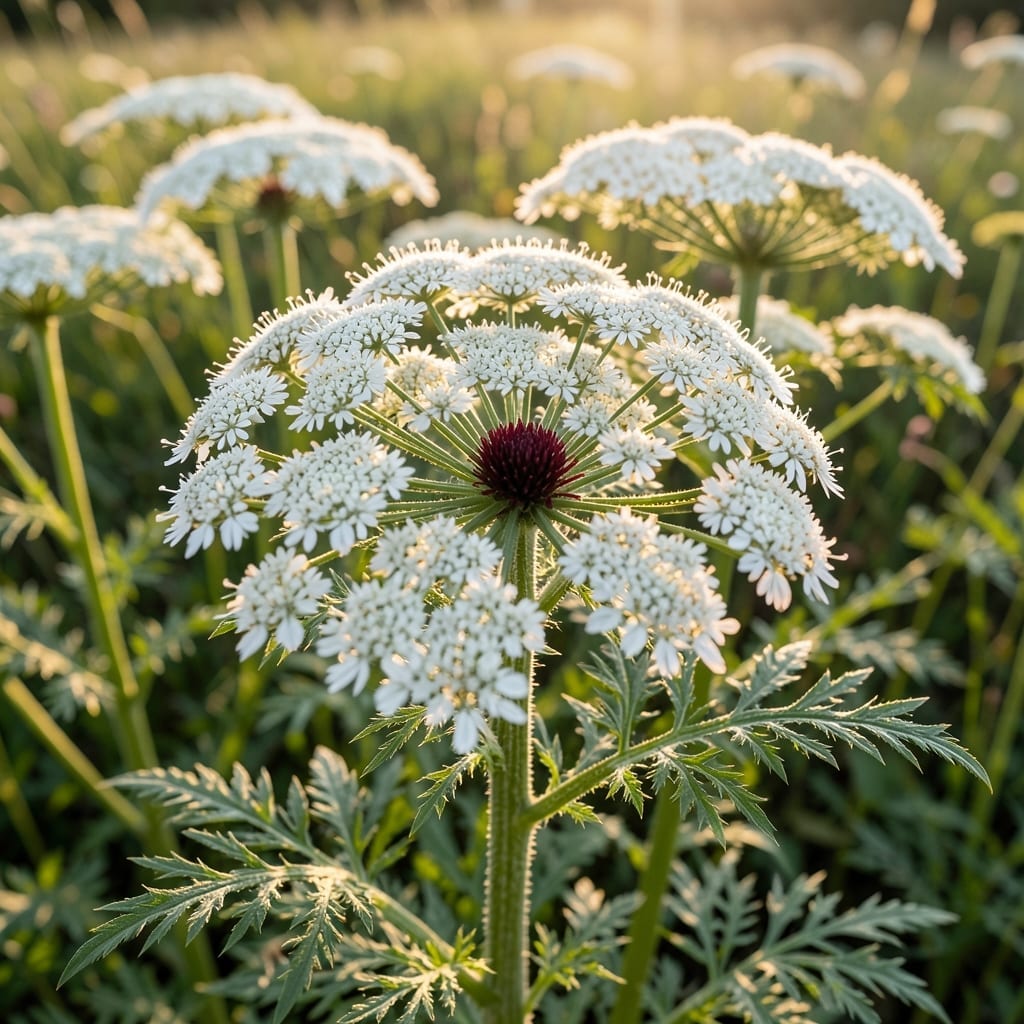
Unlike its toxic cousins, Wild Carrot (Queen Anne’s Lace) offers a delightful surprise. Its feathery foliage mirrors fennel so closely that even experts pause to check the blooms.
Look for the signature white lace-like flower clusters with a single dark red center bloom—this is the plant’s calling card. The edible root tastes like a mild carrot, though digging it up requires patience as it grows deep and thin.
Foragers love this plant for its dual purpose: beauty in the garden and a wild snack in the kitchen. Just be sure to confirm the red center bloom before harvesting. 🌿
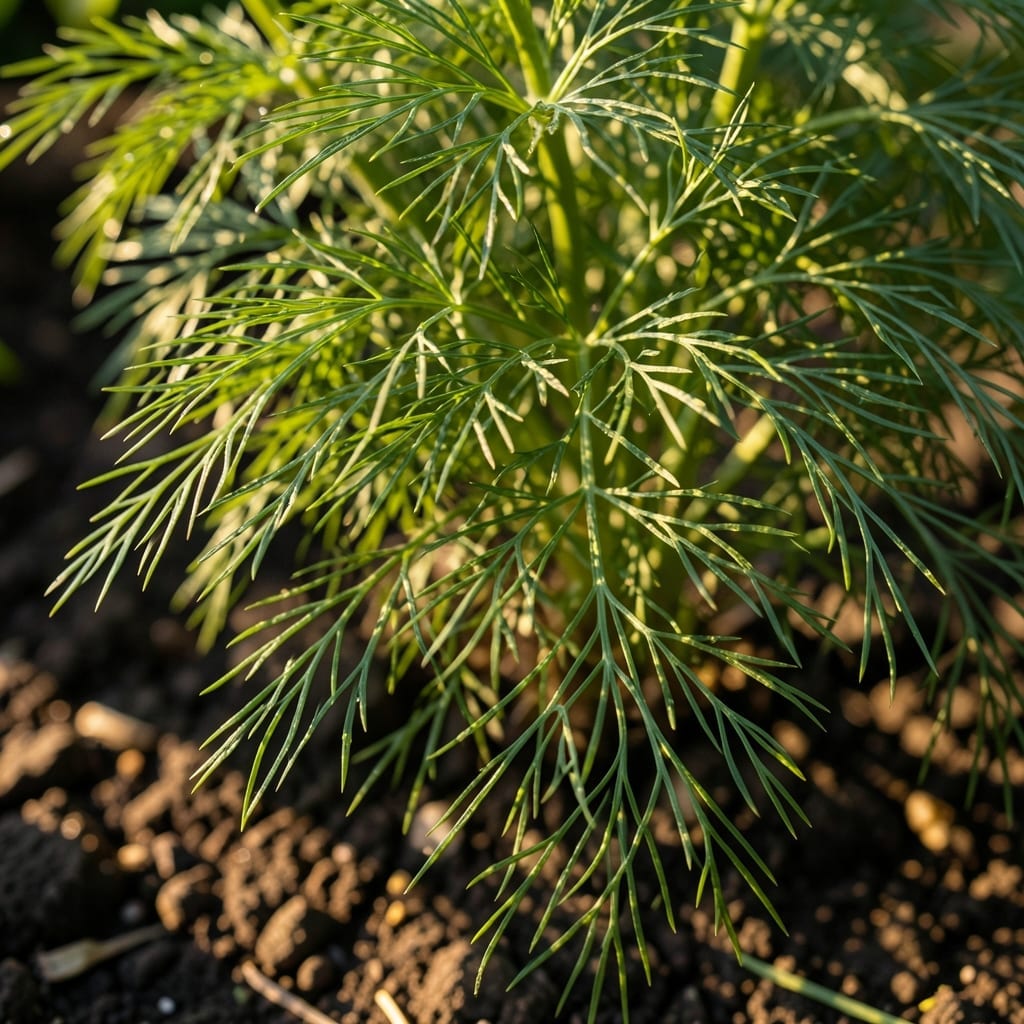
Don’t mistake dill weed for fennel—its delicate, thread-like leaves are a giveaway. While both share fern-like foliage, dill’s leaves are finer and more feathery, and crushing them releases a distinct, fresh dill aroma.
This culinary herb thrives in full sun to partial shade and well-drained soil, growing up to 3-4 feet tall. It’s a favorite in herb gardens for its versatility and the ease with which it self-sows, often appearing year after year with minimal effort.
Perfect for gardeners who want both beauty and utility, dill weed attracts pollinators while adding a fragrant touch to your space. 🌿
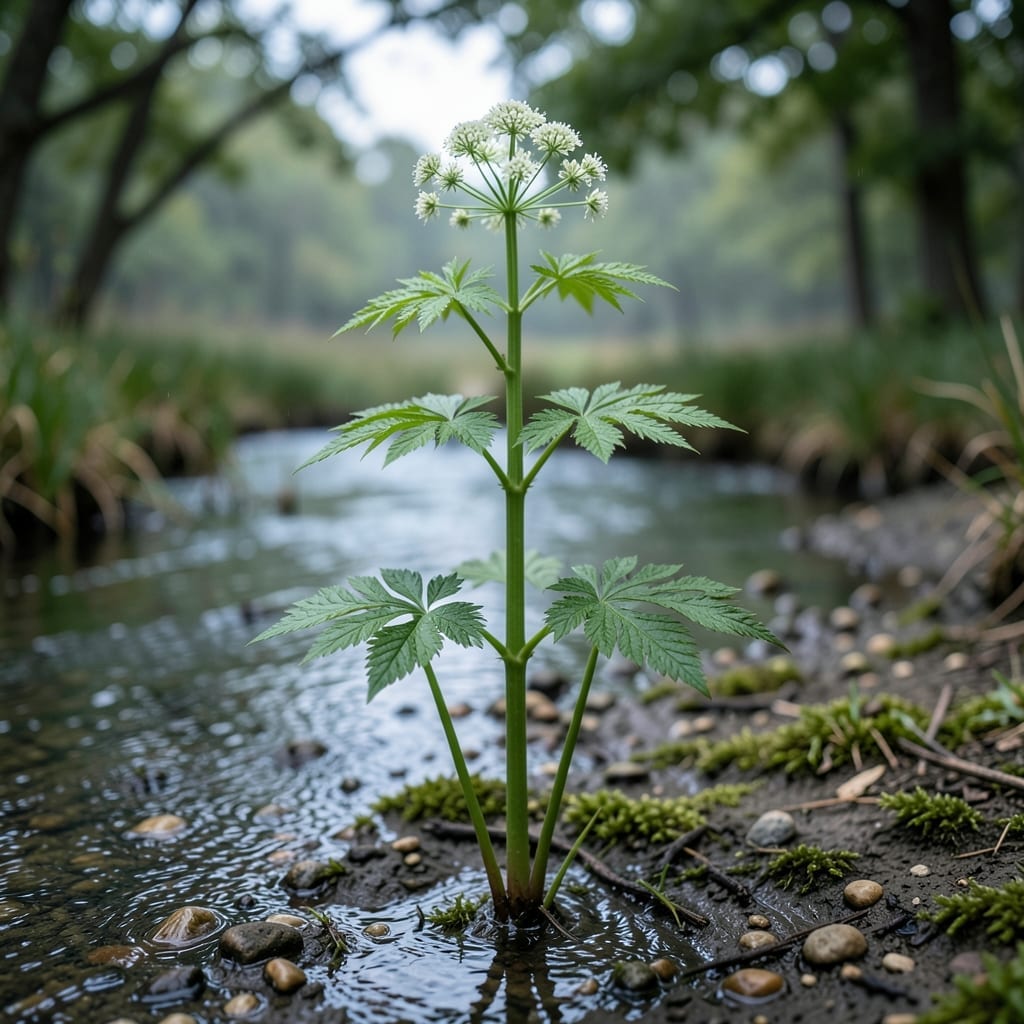
Never underestimate water hemlock—this deceptively pretty plant is one of North America’s most deadly. Its fern-like leaves appear in distinct groups of three, a key difference from fennel’s more uniform, feathery fronds.
Found in wet areas like marshes and stream banks, every part of this plant contains powerful toxins that can be fatal if ingested. Even small amounts can cause violent convulsions and respiratory failure. Unlike fennel, its stems are often purple-streaked and hollow.
Always exercise extreme caution and avoid handling this plant without professional guidance. Safety first in the garden! 🌿
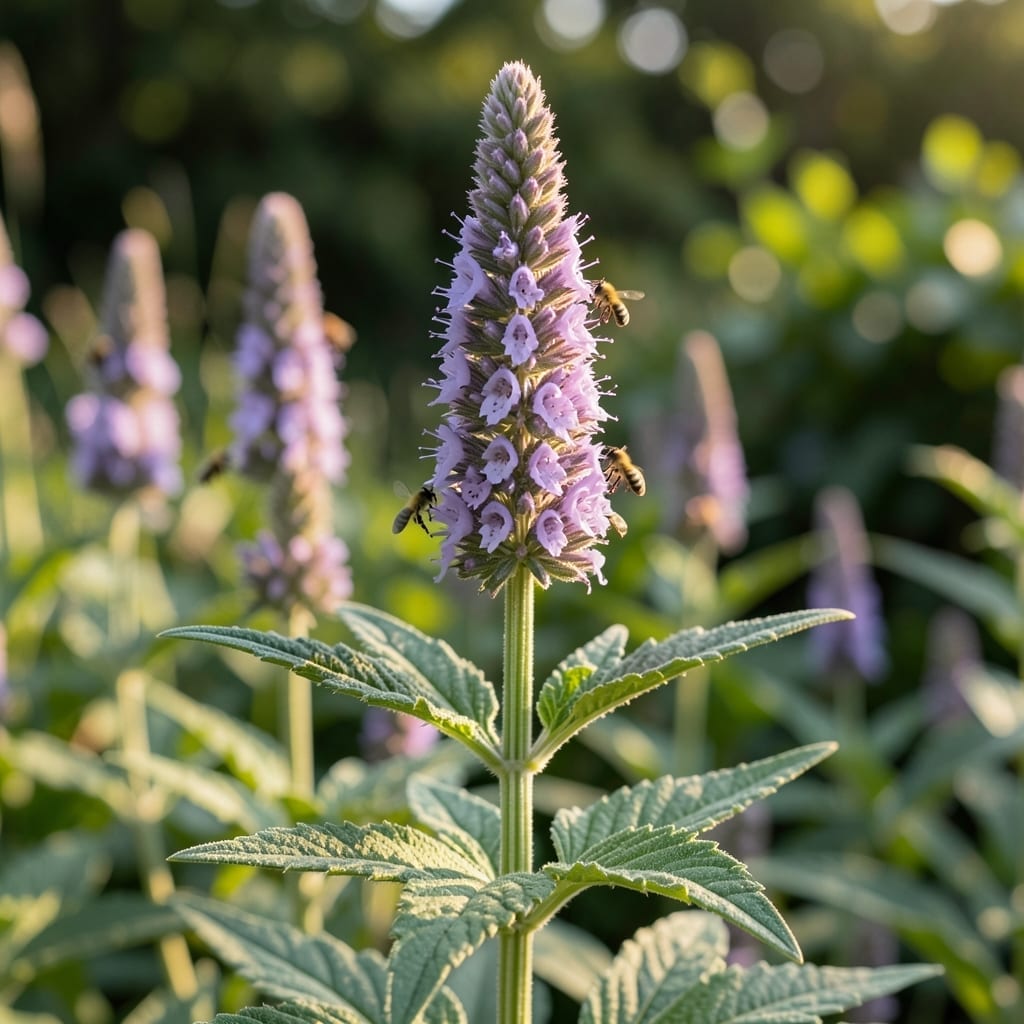
Unlike many fennel impostors, anise hyssop is a welcome guest in any garden. Its fennel-like leaves may catch your eye, but the square stems and spikes of tiny lavender flowers give it away as a friendly pollinator magnet.
This hardy perennial thrives in full sun to partial shade and adapts well to various soil types. Bees and butterflies adore its nectar-rich blooms, making it perfect for pollinator gardens. The leaves release a sweet anise scent when crushed, adding sensory appeal.
Gardeners love it for its dual purpose: beauty for pollinators and aromatic leaves for herbal teas. 🌿
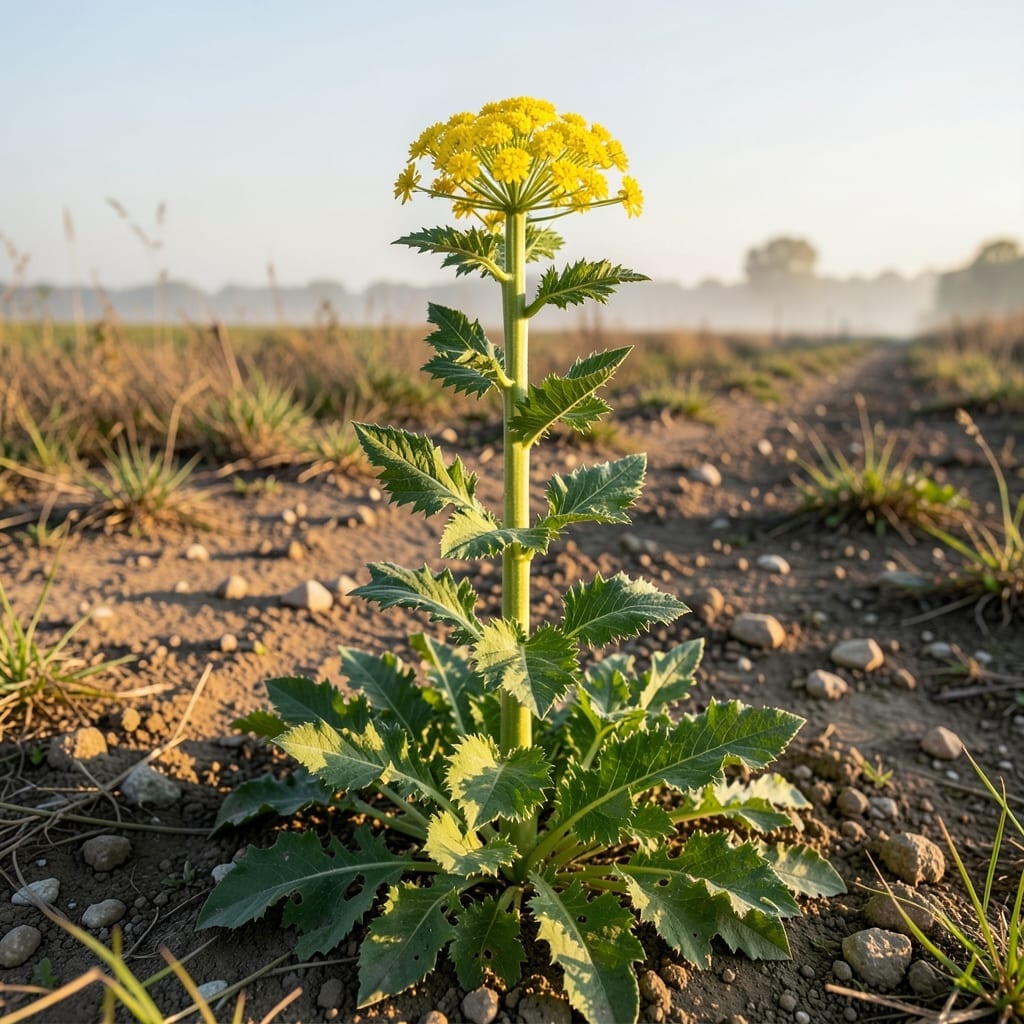
Wild parsnip might fool you with its fennel-like leaves, but its broader, toothed leaflets and sunny yellow blooms set it apart. This biennial weed often pops up in disturbed soils like roadsides or abandoned fields.
First-year plants form a low rosette of foliage, while mature plants shoot up tall stems topped with flat clusters of yellow flowers in their second year. Unlike fennel, its leaves are coarser and less feathery, making identification easier upon close inspection.
This plant can spread aggressively, so early removal helps prevent its takeover of garden edges. Always handle with care to avoid skin contact. 🌿
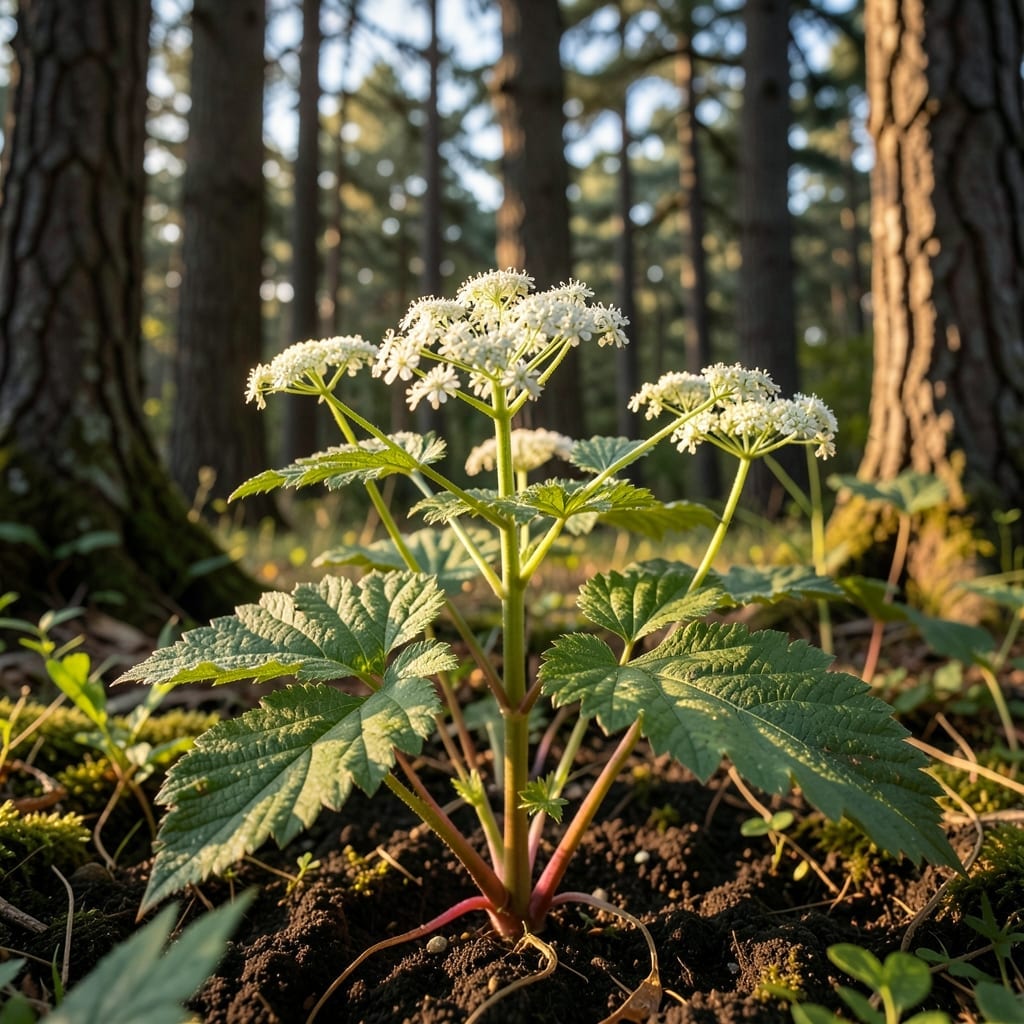
Don’t let cicely slip under your radar—this sweet-scented perennial brings a woodland charm to any garden. Its fern-like leaves are similar to fennel’s, but the larger, toothed leaflets and clusters of delicate white flowers make it stand out.
Unlike many lookalikes, cicely thrives in shaded woodlands and hedgerows, preferring moist, well-drained soil. Its pleasant anise-like fragrance adds sensory appeal, and its low-maintenance nature makes it a favorite for woodland gardens.
Perfect for gardeners seeking a fragrant, easy-care plant that supports pollinators while adding elegance to shaded areas. 🌿
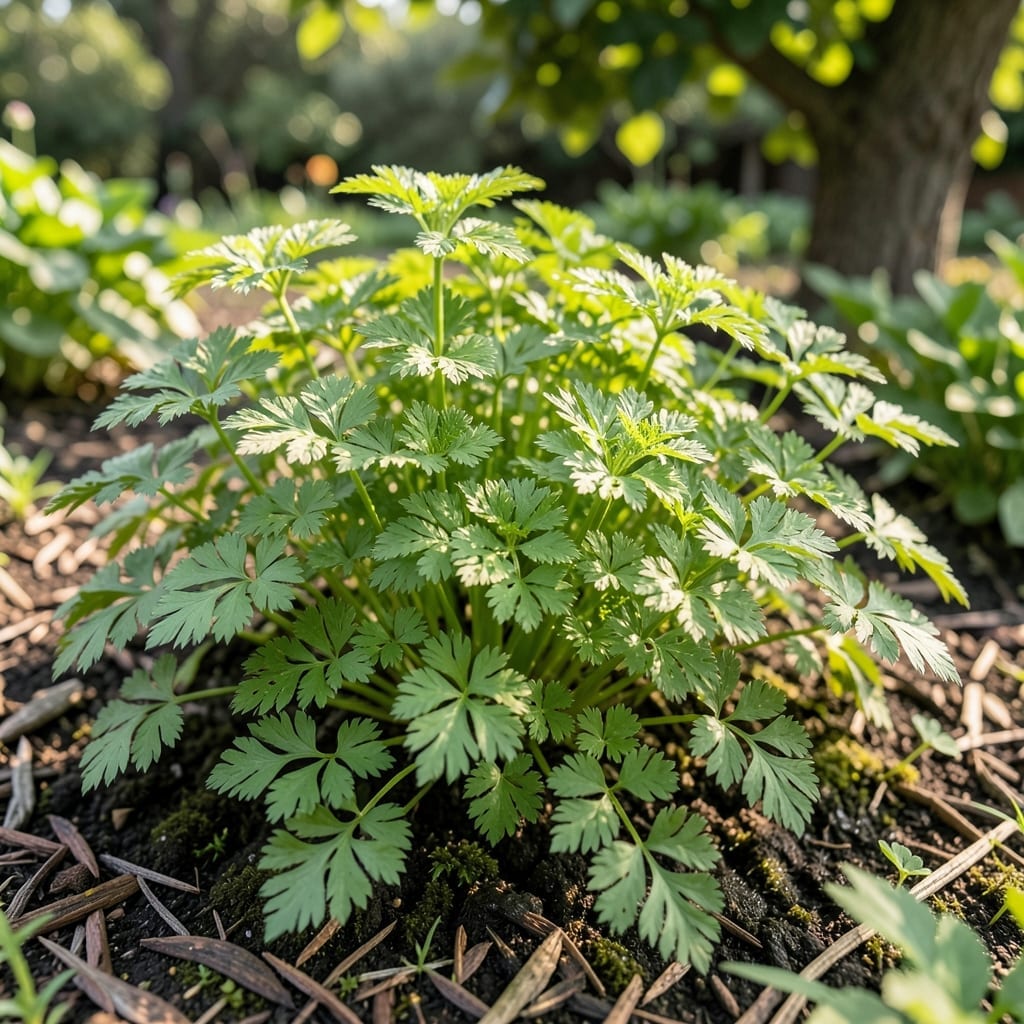
At first glance, chervil may look like a delicate fennel relative, but its finer, more divided leaves reveal its true identity. This gentle herb offers a subtle anise flavor that’s a staple in French cooking, making it a must-have for herb gardens.
Chervil thrives in partial shade and moist, well-drained soil, reaching about 1-2 feet tall. Its lacy foliage is lighter green than fennel’s, and its small white flower clusters add a graceful touch. Unlike some lookalikes, chervil is entirely edible and non-toxic.
Ideal for gardeners who love both beauty and utility, chervil attracts pollinators while providing fresh flavors for your herb collection. 🌿
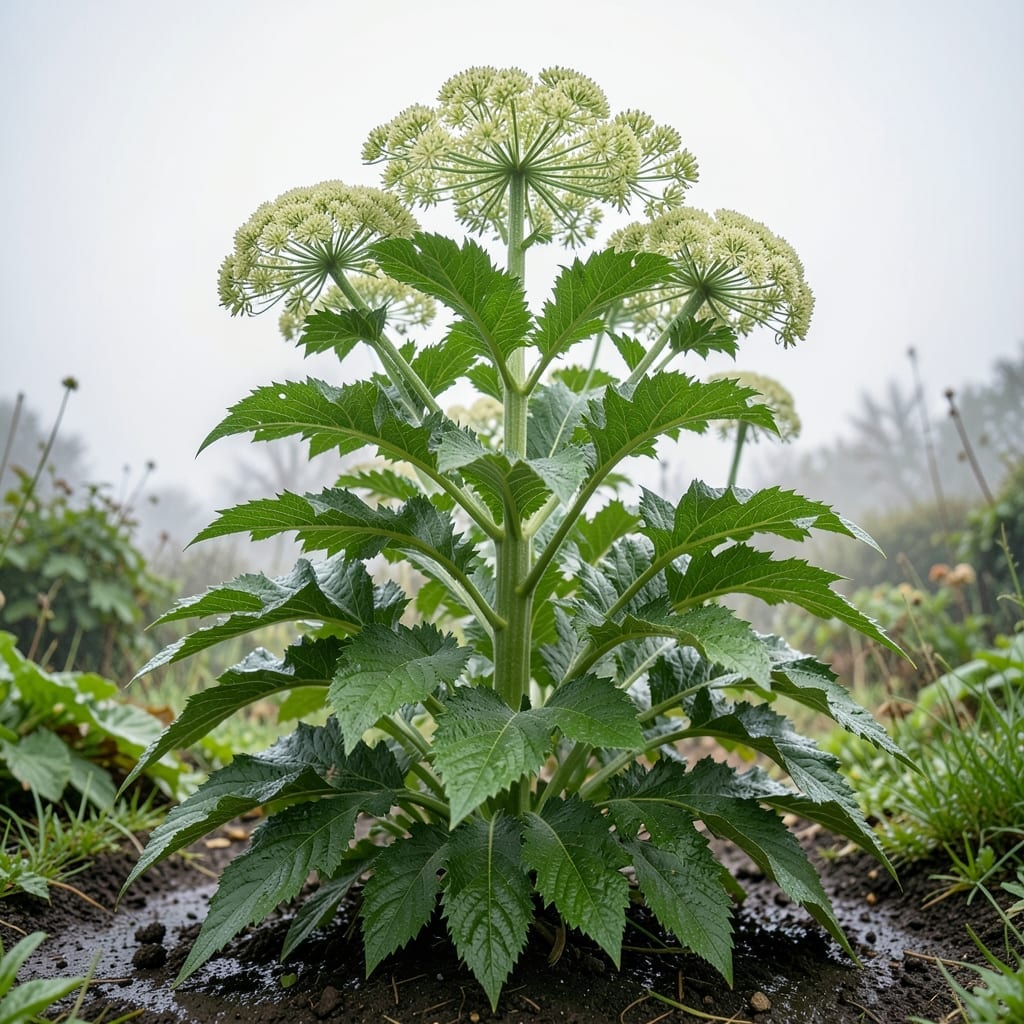
Looking for a striking perennial that loves moisture? Angelica stands out with its towering height and bold foliage, making it a dramatic addition to damp garden spots.
Its large, serrated leaflets are broader than fennel’s, and the plant produces unique dome-shaped clusters of greenish-white flowers that add architectural interest. Often found thriving near streams or in wet meadows, angelica prefers consistently moist soil and partial shade.
This plant is ideal for gardeners wanting to create a lush, cottage-garden feel in wetter areas of their landscape. 🌿