
Beautiful Plants For Your Interior
Beautiful Plants For Your Interior
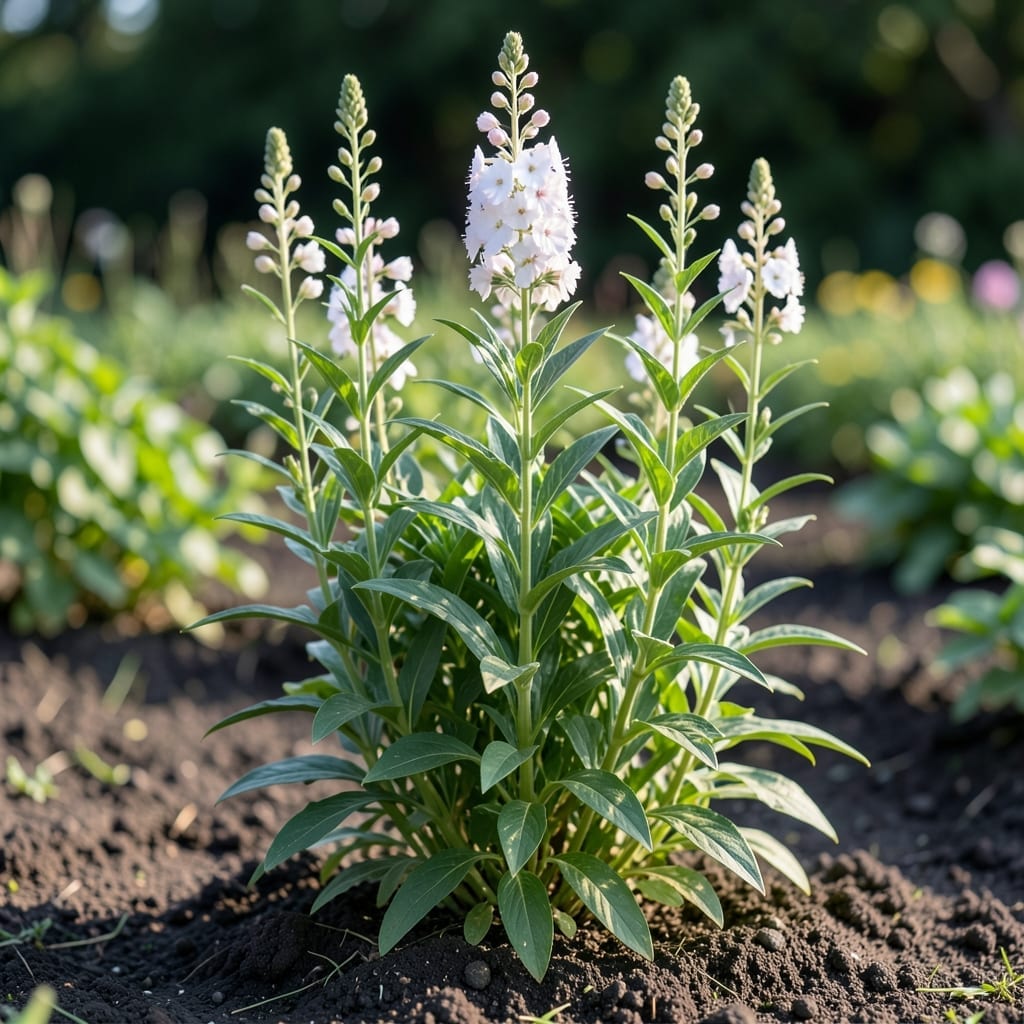
Tall phlox leaves transform a garden bed from ordinary to extraordinary. I’ve watched these lush green foliage clusters create a backdrop that makes every bloom pop like fireworks.
The leaves aren’t just pretty—they’re the plant’s powerhouse, fueling growth and protecting against pests. Healthy foliage means stronger stems and more vibrant flowers. Keep them thriving with consistent moisture and good airflow.
You’ll notice the difference immediately: deep green leaves that stay vibrant through summer heat. They form dense clumps that fill spaces beautifully, even before the flowers arrive.
Watch for powdery mildew on lower leaves—it’s the most common issue. Catch it early, and your phlox will reward you with season-long beauty.
Several factors contribute to the development of lush, tall leaves in phlox plants. Understanding these causes can help gardeners create ideal conditions for vibrant foliage.
Some Phlox paniculata cultivars are naturally bred to produce taller, broader leaves as part of their genetic makeup. Varieties like ‘David’ or ‘Bright Eyes’ are known for their robust foliage due to selective breeding for ornamental traits.
Adequate sunlight (6+ hours daily) triggers photosynthesis, fueling leaf growth. Phlox in partial shade may develop larger leaves to maximize light absorption, though excessive shade can weaken stems.
Consistent moisture and nitrogen-rich soil promote leaf expansion. Over-fertilization, however, can lead to excessive foliage at the expense of flowers. Balance with phosphorus for blooms.
Warm (60–75°F) growing seasons and proper air circulation (via spacing plants 18–24″ apart) reduce stress, allowing phlox to focus energy on leaf development rather than disease resistance.
Keeping your tall phlox leaves healthy and vibrant requires quick action when problems arise. Below are practical fixes for common leaf issues, paired with prevention tips to keep your garden thriving. 🌿
Yellow leaves often signal poor drainage or nutrient deficiencies. Test your soil’s pH (aim for 6.0–7.5) and amend it with compost or a balanced fertilizer. Water deeply but infrequently—1–2 inches per week—to encourage strong roots. Avoid overhead watering to prevent fungal issues.
Prevention Tip: 💡 Mulch around the base to retain moisture and regulate soil temperature.
Powdery mildew or dark spots? Remove affected leaves immediately and dispose of them (do not compost). Apply a baking soda spray (1 tsp baking soda + 1 quart water + a drop of dish soap) or use a fungicide labeled for phlox. Space plants 18–24 inches apart for better airflow.
Prevention Tip: ✨ Water early in the day so leaves dry quickly, reducing fungal spores’ chance to settle.
Slugs, snails, or Japanese beetles love phlox leaves. Handpick pests in the evening or set up beer traps for slugs. For beetles, use neem oil or introduce beneficial nematodes. Keep the garden free of debris where pests hide.
Prevention Tip: 🎯 Encourage natural predators like birds and ladybugs by planting companion flowers.
Wilting can mean underwatering, overwatering, or heat stress. Check soil moisture—stick your finger 1 inch deep. If dry, water; if soggy, ease up and improve drainage. In extreme heat, provide afternoon shade with a light cloth.
Prevention Tip: 🌡️ Group phlox with other tall plants to create a microclimate that retains humidity.
Pale leaves usually mean insufficient nitrogen. Feed with a balanced 10-10-10 fertilizer or add compost. Too much sun can also bleach leaves, so provide afternoon shade if needed.
Water deeply 1-2 times per week, giving about 1 inch total. Check soil 1 inch down—if dry, it’s time. Morning watering helps prevent fungal issues.
Space plants 18-24 inches apart for airflow. Crowding traps moisture, inviting powdery mildew. Thin out dense areas immediately if you spot early signs.